
Last updated November 22, 2026
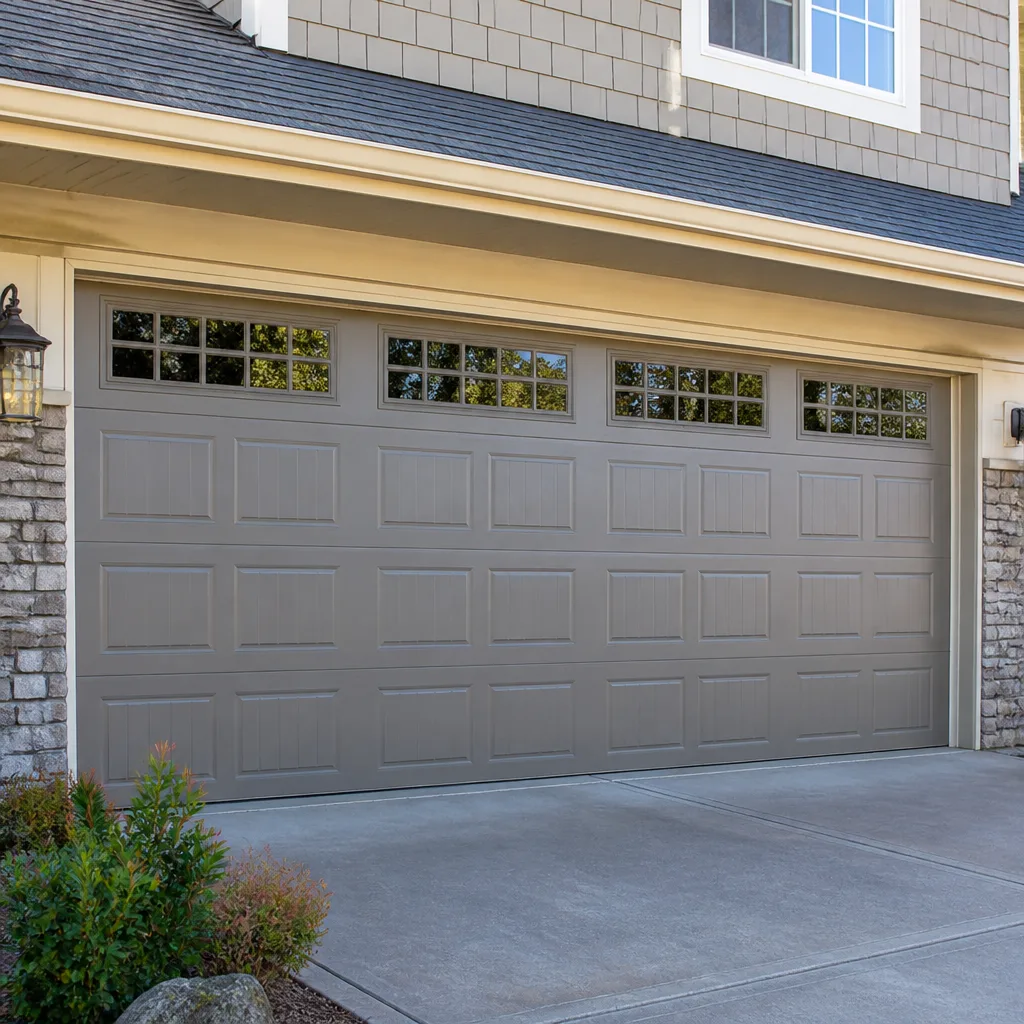 Raised-panel steel
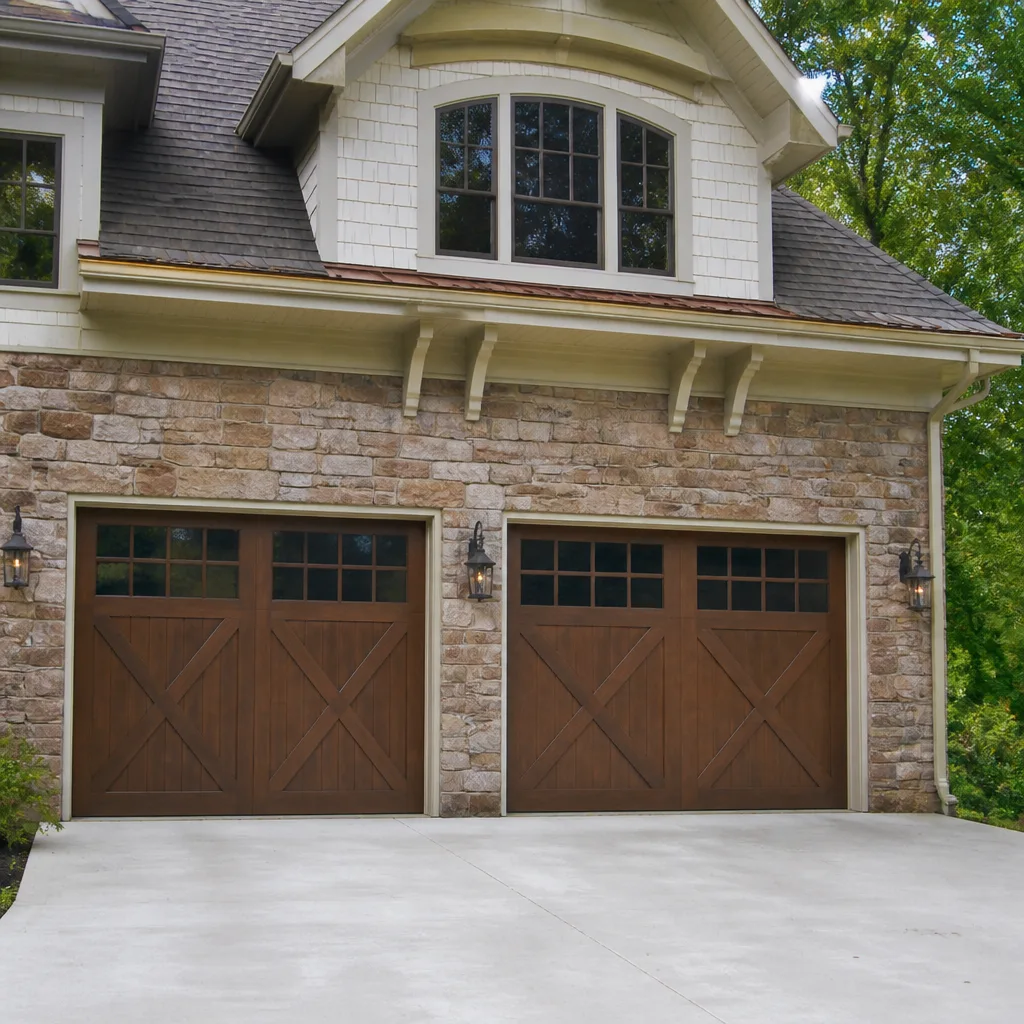 Carriage house
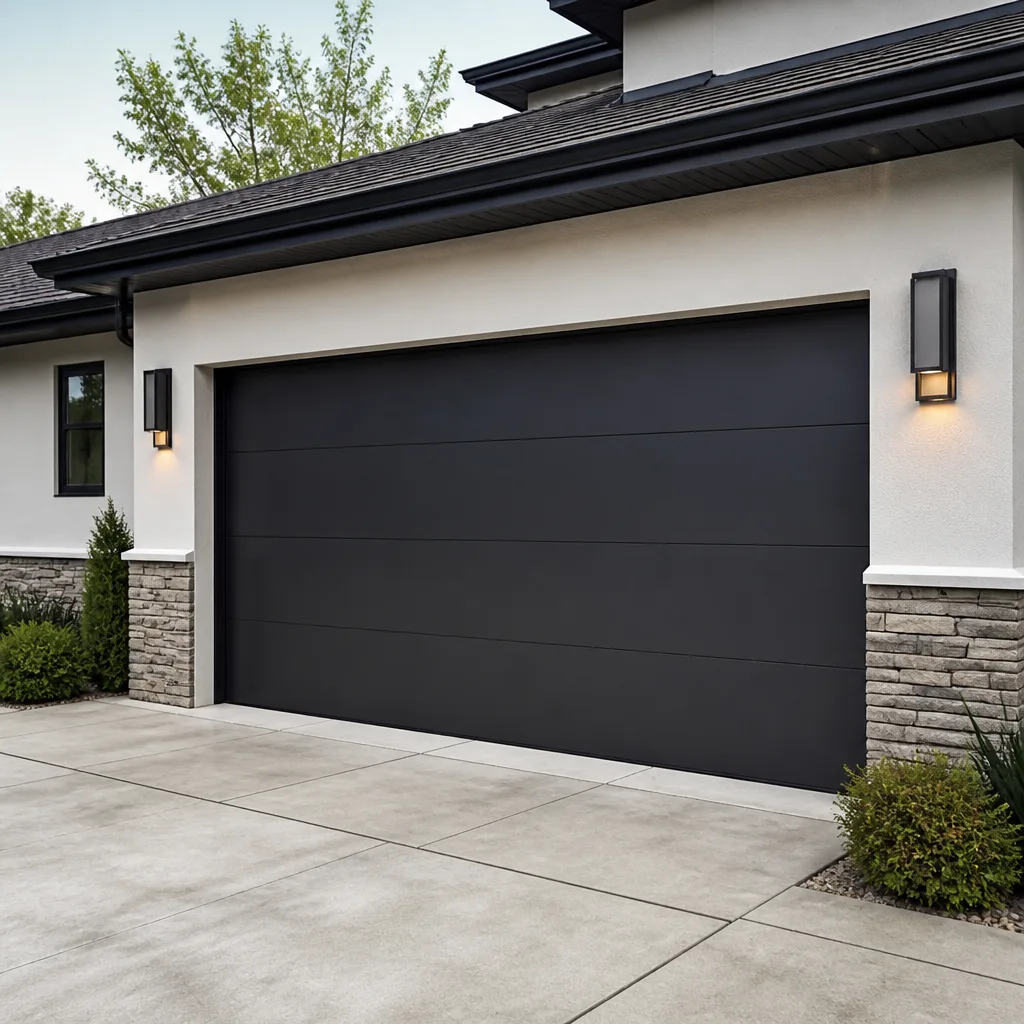 Modern flush
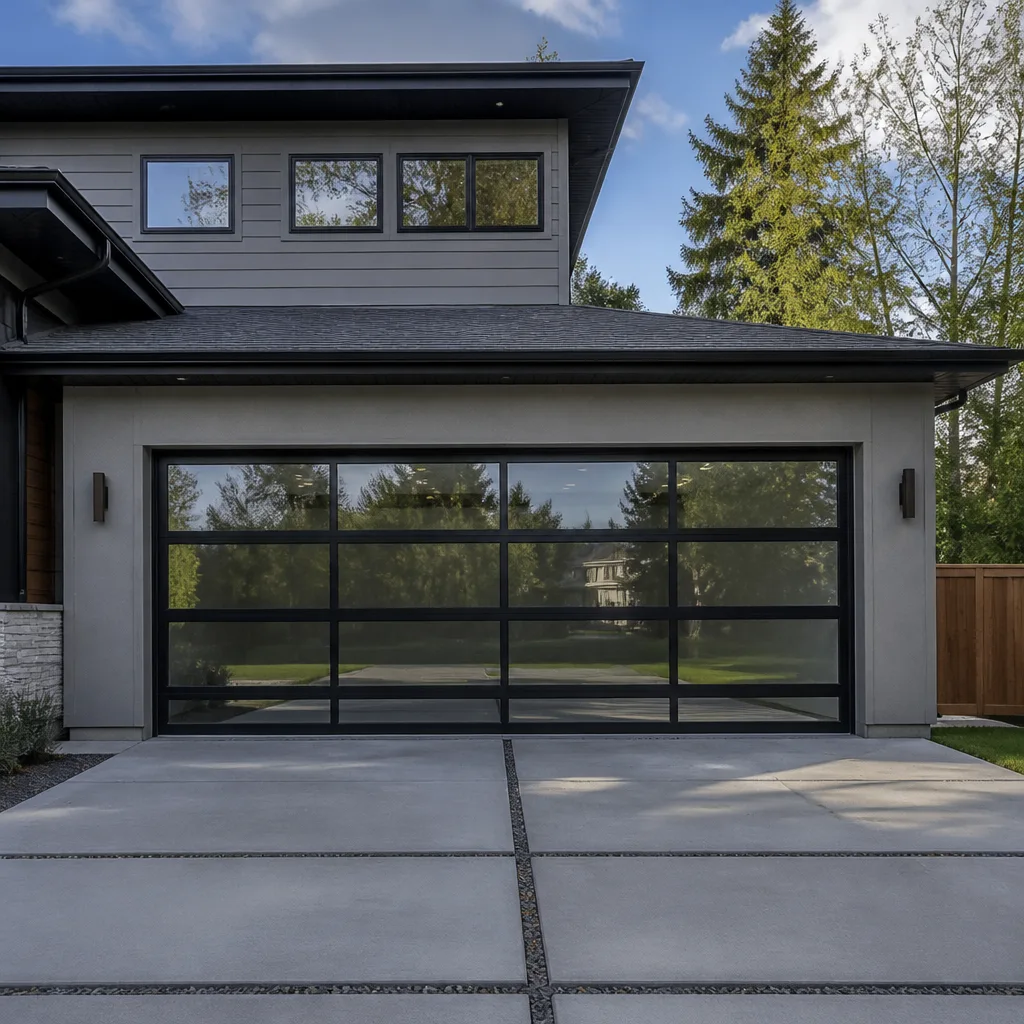 Full-view glass
 LiftMaster openers
 Chamberlain openers
Full 25-point door and opener safety check with every visit - springs, cables, rollers, tracks, and your LiftMaster or Chamberlain opener included
You get a price before we start. It does not change when the pro arrives.
Get your free estimateGarage Door Repair Troubleshooting in Longmont: Common Problems and How to Fix Them
Your garage door cycles roughly 300 times a year. By the time it actually breaks, it has already given you dozens of warnings. Most homeowners just don’t know how to read them. A rattle in October becomes a snapped spring in March. A door that hesitates at the bottom edge turns into a door that reverses without warning. This guide is about learning to read those warnings before they turn into a frozen door at 7:30 on a work morning. Nearly every garage door problem in Longmont falls into four mechanical categories – springs, tracks and rollers, openers, and weather seals – and once you know which category you’re in, you know whether to grab a wrench or pick up the phone.
Quick Answer
Most garage door failures come down to four things: a broken torsion or extension spring, a misaligned or bent track, a failing opener (motor, logic board, or safety sensors), or worn out rollers and hinges. If you hear a loud bang from the garage and the door won’t lift, that’s almost always a spring, and it’s a call-a-technician situation – not a DIY fix. If the door opens but the opener strains or the sensors blink, that’s usually an opener or sensor issue that can often be diagnosed in a few minutes. Below, we break down every common symptom, what it actually means mechanically, and exactly when to stop troubleshooting and call.
Styles & brands we work with
- Raised-panel steel
- Carriage house
- Modern flush
- Full-view glass
- LiftMaster openers
- Chamberlain openers
Table of Contents
- The Symptom-to-Cause Matrix: Read Your Door Like a Technician
- “Won’t Open” vs. “Opens Wrong”: Two Completely Different Problems
- Spring Problems: When a Bang Means Business
- How Longmont’s Freeze-Thaw Cycle Stresses Your Door
- Opener and Sensor Troubleshooting You Can Actually Do
- The Emergency Release Cord: How to Use It Safely
- The Stop Points: When to Quit and Call
- Brand Matters: Why We Ask What You Have
The Symptom-to-Cause Matrix: Read Your Door Like a Technician
Every garage door failure gives you information before it gives you a bill. The trick is knowing which symptom points where. Below is the matrix our technicians work from on a first call – match your symptom to the likely cause, then match the cause to the right next step.
- Loud bang from the garage, door won’t lift: broken torsion spring. Stop here. Call a technician.
- Door lifts a few inches then stops: stripped opener gear, worn drive belt, or a binding track. Often an opener issue; sometimes a track issue.
- Door reverses immediately after touching the floor: safety sensor misalignment, or the opener’s force limit is set too low. Check sensors first.
- Door lifts unevenly – one side higher than the other: one extension spring has broken or lost tension (on doors with side-mounted springs), or a cable has come off its drum.
- Grinding or scraping sound on the way up: dry or worn rollers, or a track that’s been pushed out of alignment by a car bumper.
- Door opens fine but the opener keeps running: limit switch or logic board failure. Usually an opener replacement decision.
- Door won’t close and the opener light flashes: obstruction in the sensor beam, or a sensor that’s been nudged out of aim.
- Water pooling at the bottom of the door after a storm: failed bottom seal, or a door that’s no longer seated flat on the threshold.
That’s the whole matrix. If you can put your finger on which line describes your door right now, you already know whether you’re looking at a 10-minute fix or a technician visit. It also tells you what to say when you call – and that’s half the battle.
“Won’t Open” vs. “Opens Wrong”: Two Completely Different Problems
A door that won’t open and a door that opens wrong are not the same diagnosis. They don’t share a cause set, and they don’t share a fix. We’ve seen homeowners spend an afternoon on the wrong problem because they treated “opens wrong” as a milder version of “won’t open.” It isn’t.
A door that won’t open at all
Total failure means something has physically interrupted the lift. Nine times out of ten, one of these has happened:
- The torsion spring has snapped (single sharp bang, door won’t budge by hand, sometimes you can see a gap in the coil above the door).
- The opener motor has failed, or the drive gear has stripped.
- The power source is off – a tripped breaker, a pulled plug, or a dead wall control.
- The emergency release was pulled and never reset, disconnecting the door from the opener carriage.
- A cable has broken or jumped its drum, which typically causes the door to jam at an angle.
A door that opens wrong
Partial or erratic movement means the door is still trying to work, which points to a different family of issues:
- Binding track – the door rubs against a bent or out-of-plumb rail as it moves.
- Uneven spring tension – the door lifts but lists to one side.
- Failing safety sensors – the door starts then reverses to avoid a phantom obstruction.
- Opener force limit set too low – the opener senses resistance and backs off, thinking something is in the way.
- Worn rollers or hinges – the door sags and shudders on its way up.
- Limit switch drift on the opener – the door stops short of fully open or grinds at full open.
Here’s why the distinction matters: total failure usually means a hard mechanical break, and those are rarely things a homeowner should tackle. Partial failure is more often an adjustment – sometimes an easy one. If your door is moving wrong but still moving, you can spend 15 minutes checking sensors and tracks. If it isn’t moving at all, don’t force it; you risk bending panels or shearing cables. For either case, our garage door repair team can walk through the symptoms on the phone before we send anyone out.
Spring Problems: When a Bang Means Business
Garage door springs are the single most dangerous component in the entire system. They store enough energy to lift a door that weighs hundreds of pounds, and when a torsion spring breaks, that energy releases all at once. Homeowners hear a bang that sounds like a gunshot from the garage. That bang is a spring. Every time.
There are two spring systems in residential use:
- Torsion springs – mounted on a bar horizontally above the door. Most newer and heavier doors use one or two torsion springs. When one breaks, you often can’t visually see the break unless you know where to look (a clean gap in the coil).
- Extension springs – mounted on the sides of the track, stretching and contracting with use. Older doors commonly use these, and they’re often paired: one per side. If one breaks, the door will typically still lift, but unevenly and dangerously.
Why we don’t recommend a DIY spring replacement
We’re not protective of our business here. We’re protective of your hands. A wound torsion spring holds hundreds of pounds of stored torque. If you attempt to loosen the set screws without the right winding bars and the correct technique, the bar can spin out and break a wrist, an arm, or worse. There are no partial measures with this job. This is one of those rare repairs where the smartest move is to stop at diagnosis.
If you’ve confirmed a broken spring, here’s what to do before we arrive:
- Do not attempt to lift the door by hand; without spring tension it’s much heavier than it looks.
- Do not pull the emergency release cord – we get into that below.
- Keep the door down and the opener off if possible.
- Note whether it’s a torsion or extension system – count the springs (one, two, or side-mounted).
- Call us with that information so we can match the right spring on the first visit.
Spring pricing is per spring. Torsion springs are sold and replaced in matched pairs when the door is designed for two, so a pair costs roughly double a single. Our spring repair technicians carry the common sizes for the doors we service and quote the exact price before any winding starts. If you want the written number before we start the truck, ask for it on the call – estimates are free.
How Longmont’s Freeze-Thaw Cycle Stresses Your Door
Longmont sits on the Front Range, which means our doors work in a climate that swings hard. We get stretches of 60-degree afternoons in February and single-digit nights the same week. That range does things to a garage door that a mild coastal climate never does.
What the freeze-thaw cycle does to springs
Metal expands and contracts with temperature. A torsion spring that was wound and calibrated on a 70-degree day behaves differently at 20 degrees. The steel gets more brittle as it cools, and cyclical temperature stress adds to the metal fatigue from normal cycling. On the Front Range, springs see more thermal cycling per year than they would in a climate with a narrower temperature band. That doesn’t mean your spring is guaranteed to break faster here – it means it pays to have one checked as soon as you hear any rattle or observe uneven lift, rather than waiting until it snaps on the coldest morning of the year.
Bottom seals and thresholds
The rubber seal at the bottom of the door is what keeps wind, snow, and cold air out of your garage. In Longmont’s freeze-thaw, that seal goes through a hard life: snowmelt pools at the base of the door, freezes overnight, expands, and works its way into any crack or gap. Repeated cycles harden the rubber and split it. Once the seal is compromised, you’ll find water at the door’s interior edge after a storm, and if the garage is unheated, you may find ice. A worn bottom seal is one of the cheapest parts on the door and one of the highest-value replacements for a Colorado home – it’s often bundled with a threshold adjustment when we’re already there for another repair.
Tracks and hardware after a big temperature swing
Track brackets and lag bolts sometimes work loose when the wood structure behind them expands and contracts with humidity and temperature. A track that was perfectly aligned in August can shift in February. If you hear the door scraping on the way up at the start of cold weather, don’t assume the rollers are shot – check that the tracks are still plumb against the frame. A loose bracket is a five-minute fix. A door that runs against a misaligned track for months can bend a panel. For homeowners in Longmont, a quick visual check each fall and each spring is worth the five minutes.
Opener and Sensor Troubleshooting You Can Actually Do
Not every garage door problem requires a technician. Some of the most common opener issues are genuinely DIY-friendly, and we’d rather you solve them in five minutes than pay for a visit. Here’s how to work through the safe checks.
Start with the safety sensors
The two small sensors at the base of the door on either side of the opening are the most common cause of “the door reverses for no reason.” Roughly half the calls we get on opener issues trace back to these two little eyes.
- Look at both sensors. Each should have a solid light on. A blinking or dark light on either sensor means the beam is broken or misaligned.
- Wipe the lenses clean with a dry cloth – dust and cobwebs on the Front Range are enough to blind them.
- If one sensor is out of aim, gently rotate it until its light goes solid and stays solid.
- Check that nothing is in the beam path (a shovel handle, a recycling bin, a kid’s toy).
- Press the wall button and watch the door. If it closes normally now, that was the problem.
Next, the wall control
If the door does nothing at all, try the wall button inside the garage before assuming the opener is dead. If the wall button works but the remote doesn’t, the problem is the remote or the receiver, not the motor. If neither works, check the opener’s circuit – the outlet it’s plugged into, the breaker, and any GFCI on the same circuit. Many Longmont garages share a circuit with outdoor outlets, and a tripped GFCI outdoors takes the opener down with it.
Then the opener itself
If the opener hums but the door doesn’t move, the drive gear or belt is likely stripped. If the opener runs and the door moves fine but the light flashes for no apparent reason, the logic board is often the culprit. Modern openers in the LiftMaster and Chamberlain/myQ family have diagnostic LED codes you can read against the manual – that’s the fastest way to know if you’re looking at a motor, board, or sensor issue before we arrive.
If the opener itself is the failure, our garage door opener repair team services the major brands, and if repair doesn’t make sense, we can talk through replacement options that fit your existing door. Older Craftsman and Raynor units often age into a mismatch with modern smart-home expectations; LiftMaster and Chamberlain openers in the myQ ecosystem handle smartphone alerts, remote monitoring, and voice assistants without extra hardware. Three quick questions decide it: Is the rest of the opener still in good shape? Is the door weight matched to the opener’s capacity? Do you want smart-home features? If the answer to the last one is yes and the opener is old enough not to support them, replacement usually wins over repair.
The Emergency Release Cord: How to Use It Safely
The red-handled cord hanging from your opener trolley is an emergency release. It disconnects the door from the opener so you can move the door by hand. Used correctly, it’s a safety feature. Used incorrectly, it can cause a door to slam or drop.
Here’s how to use it without trapping the door or yourself:
- Only pull it when the door is fully closed (or fully open with spring tension intact). If you pull the release while the door is halfway up and the spring is broken, the door will fall. The opener is the only thing holding it.
- Before you pull, stand clear of the door. Make sure no one is in the path.
- Pull straight down on the handle. One firm tug releases the trolley; you’ll hear a click.
- Once released, the door is on manual lift. A door with working springs is liftable with one hand. A door without spring tension is very heavy – don’t attempt to lift it. Leave it closed.
- To reconnect, pull the cord again and move the door until the trolley clicks back into the carriage. Then open and close the door with the opener to confirm it re-engaged.
The single most common mistake with the emergency cord is pulling it while the door is mid-travel. On a door with intact springs, this is fine – the door will just sit where you stopped it. On a door with a broken spring, this is an injury waiting to happen. If your spring has snapped and the door is up, do not pull the cord. Leave the door where the opener can support it and call us.
The Stop Points: When to Quit and Call
We respect a homeowner who knows their limits. Here’s the clearest set of stop points we can give you – the moment you see any of these, the situation has moved from “troubleshoot” to “call.”
- You’ve confirmed a broken spring. Any winding, unwinding, or replacing is a trained-technician job. No exceptions.
- A cable is broken, kinked, or off its drum. Cables are under tension on the same order as springs. Leave them alone.
- The door is off its track. Do not try to force it back on. A door that pops free during a DIY reset can fall.
- The door has bent, cracked, or buckled panels. Panels are structural. Bending them back weakens the door and voids manufacturer load ratings.
- You hear any grinding from inside the opener housing. That’s usually a gear stripping. Continuing to run it can burn the motor out entirely.
- The door reverses on its own more than once after cleaning the sensors. This can indicate a control board failure or a door weight imbalance – and one of those is dangerous.
- You’ve checked the basics and still can’t isolate the cause. Fifteen minutes of checking is diagnostic. An hour of forcing is damage.
The temptation when a door is stuck is to keep working at it. But every repair this trade runs into has an “early” version and a “late” version, and the early version is cheaper. If you’re past the basics and it’s not obvious, call and describe what you’re seeing. Our team works on Wayne Dalton, LiftMaster, Craftsman, Raynor, and the other brands we service, so we can usually tell you the likely cause and the ballpark price on the phone before anyone gets in a truck. For an emergency – a door stuck open with the house unattended, or a door that’s jammed at an angle and won’t close – we offer dedicated emergency garage door service. And if the door is past repair, we can talk through garage door installation options that fit the opening and the existing opener.
Brand Matters: Why We Ask What You Have
One of the first questions we ask on any troubleshooting call is what brand and model you have. It isn’t a sales question – it changes the diagnosis. A Genie opener with a screw drive ages differently than a LiftMaster chain drive. A Clopay steel door with a specific panel weight needs a specific spring size. A Raynor door from an older build often has an extension spring setup that modern torsion-tuned installers need to recognize before they work on it.
We work on the major residential brands – LiftMaster, Chamberlain, Genie, Clopay, Amarr, Wayne Dalton, Craftsman, and Raynor – and knowing which one is in your garage cuts diagnostic time on the first visit. If you’re not sure what you have, look for a label inside the opener housing or on the door’s interior panel. If you can’t find one, describe the door and the opener on the call and we’ll figure it out from there.
Common Mistakes to Avoid
- Pulling the emergency cord on a door with a broken spring. The opener may be the only thing holding the door up. Pulling the release at that moment sends the door down hard.
- Bending a track back into place by hand. Tracks are calibrated. A track that “looks fine” after being bent back can cause the door to run at an angle and chew through rollers in a few months.
- Spraying WD-40 on the springs or rollers. WD-40 is a solvent, not a lubricant, and it attracts grit. On a Longmont door that sees dust and melting snow, the wrong lubricant turns rollers into grinding wheels. Ask what the manufacturer recommends, or what we recommend for your setup.
- Ignoring a bottom seal that’s split or frozen to the floor. Freeze-thaw will pull the door’s bottom weatherstrip apart, and once water gets under the door it can ice on the interior threshold. Replace it once a season if it’s been through a rough winter.
- Replacing one spring out of a matched pair. If two springs share the load, both are the same age and both have cycled the same number of times. Replacing one leaves the other ready to fail soon after, and the door balances unevenly in the meantime.
- Assuming the opener is dead because the remote doesn’t work. Half the “dead opener” calls we see in Longmont are actually a wall control or sensor issue, or a dead battery in the remote. Check those first.
- Running the opener on a door that’s visibly binding. The motor will try to pull the door past the resistance and either strip its gear or damage a panel. Stop the opener the moment the door starts fighting back.
See the difference
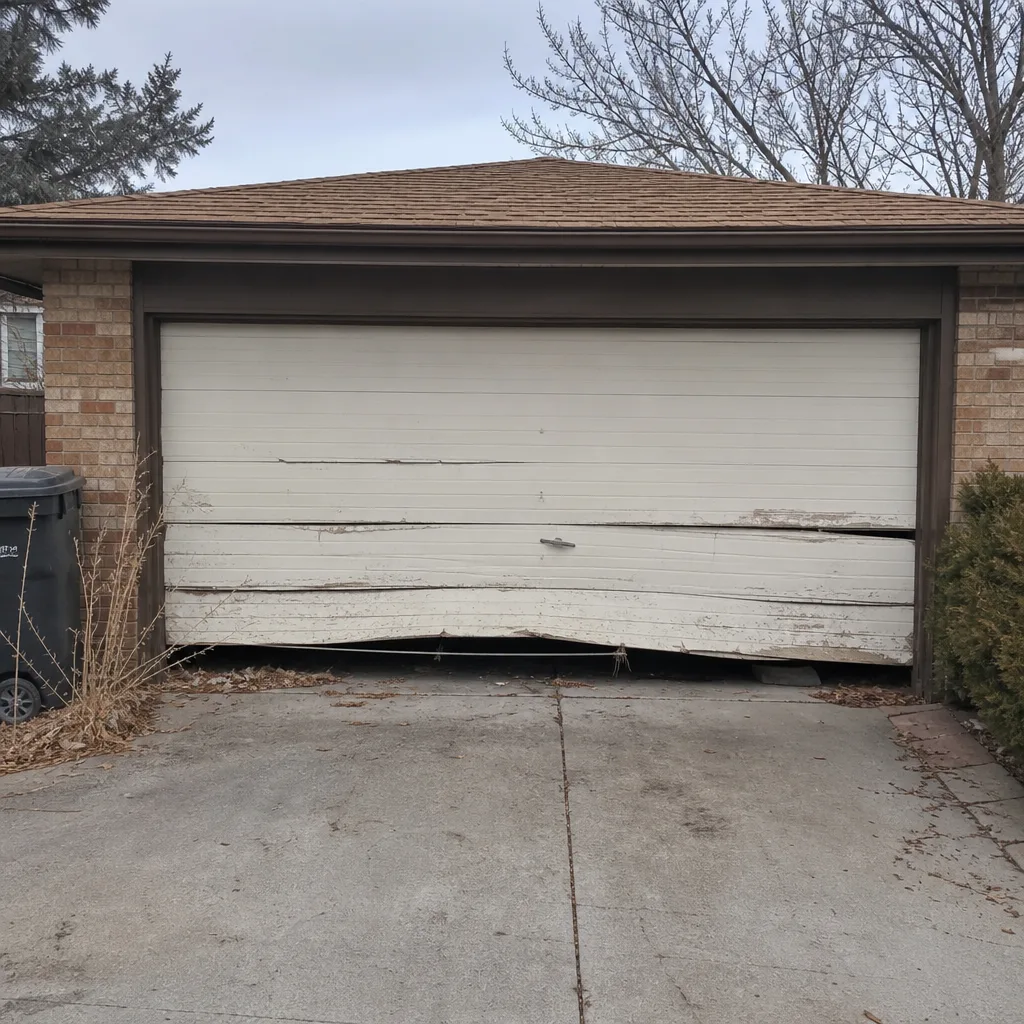 Before
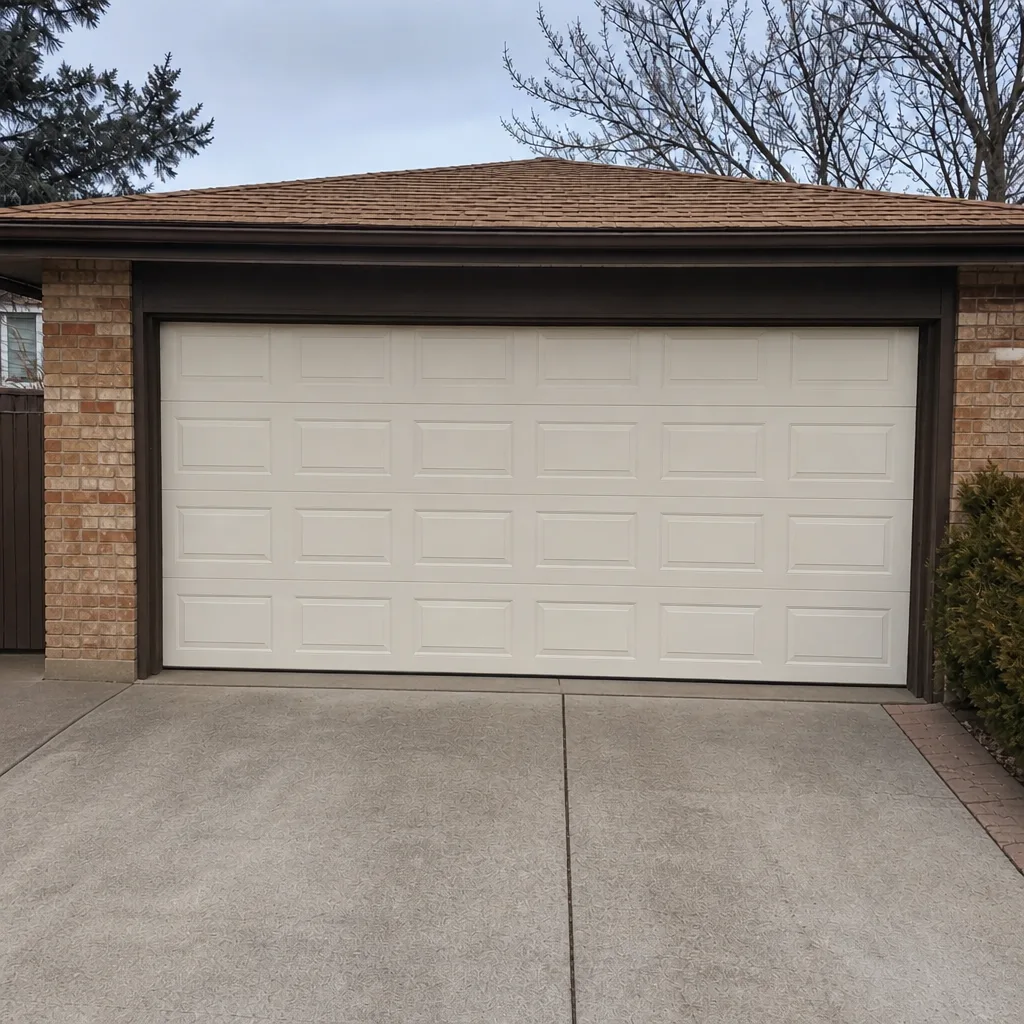 After
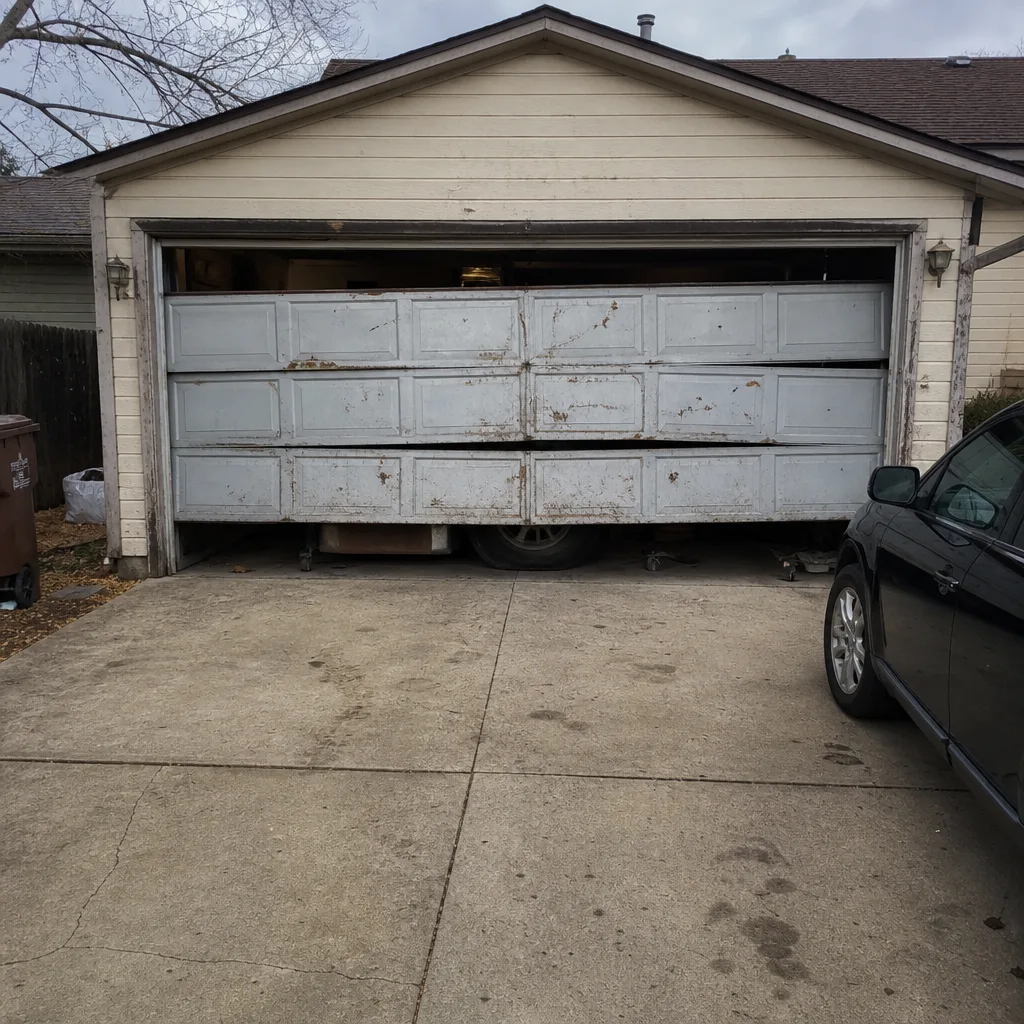 Before
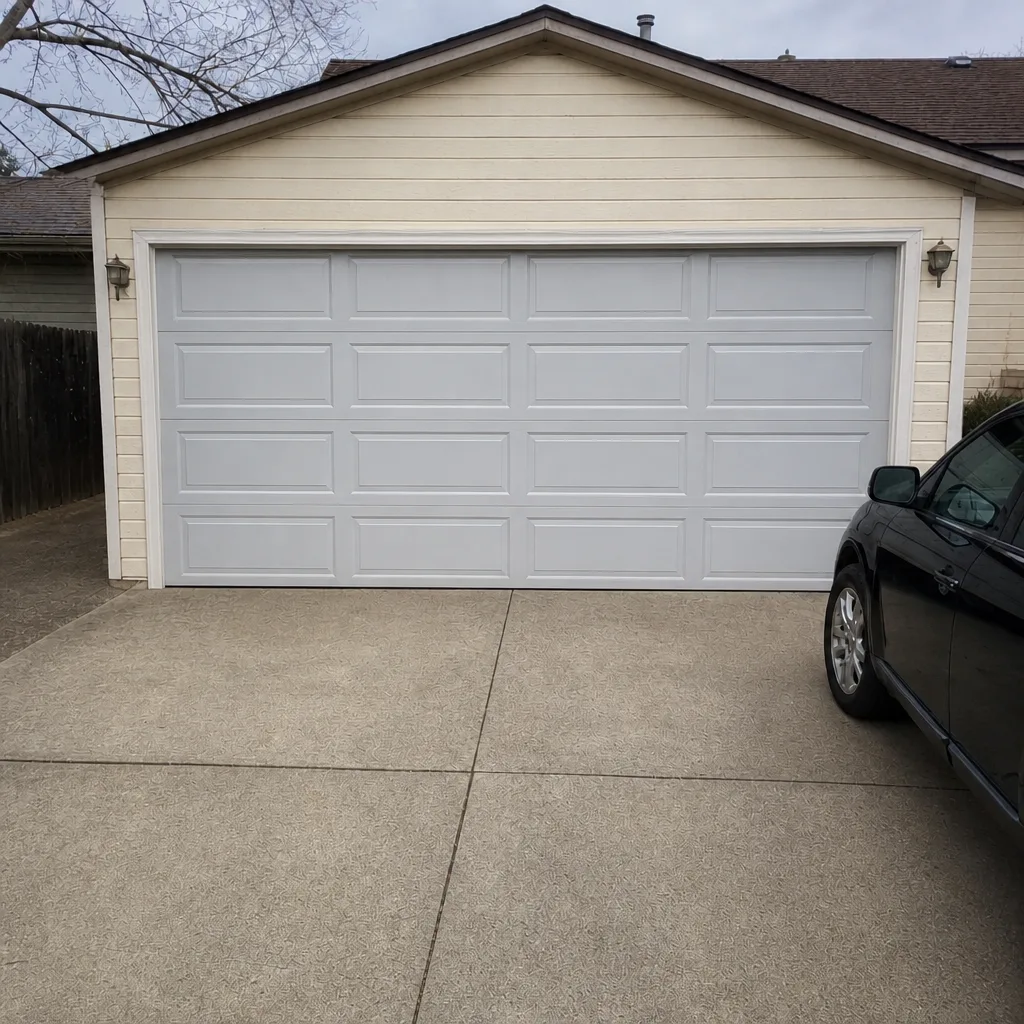 After
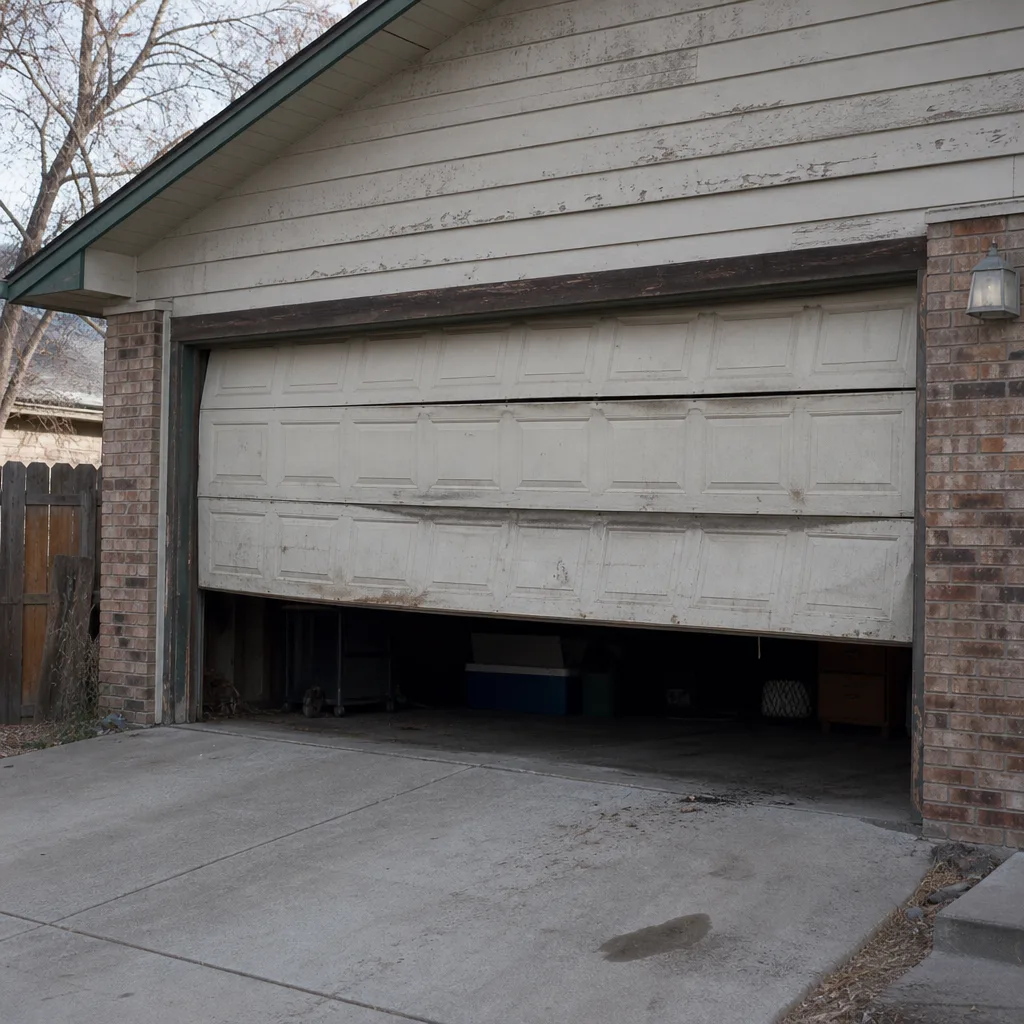 Before
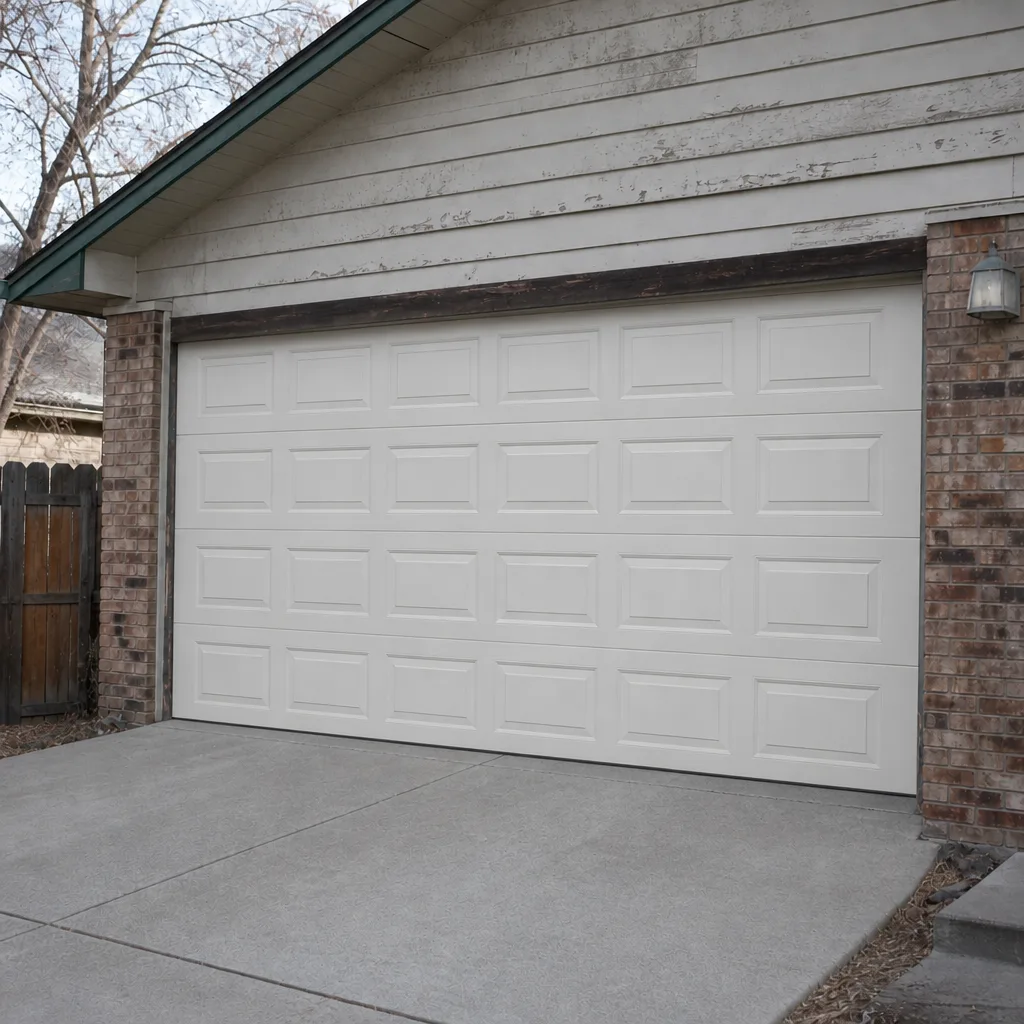 After
When to Call a Professional
Call a professional the moment any of the following is true: the spring is broken (visible gap, sharp bang, door won’t lift); a cable is loose, off its drum, or visibly kinked; the door is off its track; the door is bent, sagging, or reversed on its own more than once after cleaning the sensors; the opener grinds but doesn’t move the door; or the door has become insecure – stuck open, stuck half-closed, or jammed at an angle. Those are the situations where the risk of a DIY attempt outweighs the cost of a visit. Longmont Garage Door Repair Pros offers free estimates in Longmont – call (888) 574-5680. We answer 24/7, with fast dispatch from 7am to 7pm, Sunday through Friday. Our technicians have up to 15 years of experience, and every job is quoted and agreed before any work starts.
Frequently Asked Questions
Spring repair in Longmont typically runs in the low-to-mid hundreds of dollars for a single torsion or extension spring, and roughly double that for a matched pair since both springs in a pair are usually replaced together. The exact price depends on the door’s size, the spring’s wire gauge, and whether the job includes any cable or drum work. The written estimate sets the final price before any winding begins. Call (888) 574-5680 for an exact quote – estimates are free.
In most cases, yes. Same-day service is a routine part of our schedule for repair calls, and a broken spring or a door that won’t close is exactly the kind of job we prioritize. We answer 24/7, with fast dispatch from 7am to 7pm, Sunday through Friday. A call outside those hours is booked into the next opening. Call (888) 574-5680 and describe what your door is doing.
No. The estimate we give you is the price you pay for that job. If the technician finds something additional – say, a cable that also needs replacing – we quote the added work and get your approval before we touch it. You’ll never get a bill for work you didn’t agree to. Call (888) 574-5680 for a free estimate and a written price.
The local professionals we connect you with are state-licensed and insured as Colorado requires. Our role is to route your job to a vetted local garage door technician who handles your brand and model. If you need documentation for an insurance or HOA matter, ask on the call and we’ll make sure the right paperwork comes with the visit. Call (888) 574-5680 with any questions before booking.
A door that reverses on its own in cold weather usually has one of two problems: a safety sensor that’s become misaligned or filmed with road grime, or an opener force limit set too tight for the extra resistance a cold door brings. Longmont’s temperature swings can make a seal stiff and the door harder to close smoothly, which trips the opener’s safety. Start by cleaning and re-aiming both sensors, then try the door again. If it still reverses, it’s time for a technician to check the force settings and the door’s balance – the balance issue can be a spring problem in the making. Call (888) 574-5680 for a free estimate.
Don’t. A door that’s come off its track is under tension from cables and springs, and forcing it back can cause the door to fall or shear a cable. Leave the door where it is, keep everyone clear, and call. This is a case where an emergency visit is the right move – especially if the door is stuck open and your home is vulnerable. Call (888) 574-5680. We answer 24/7, with fast dispatch from 7am to 7pm, Sunday through Friday.
The Bottom Line
Most garage door problems fit into four categories – springs, tracks and rollers, opener and sensors, and weather seals – and once you know which one you’re looking at, you know exactly what to do next. If it’s a broken spring, a loose cable, a door off its track, or anything else on the stop list above, the smartest move is to close the door, leave the release cord alone, and call. If it’s sensors or an opener setting, spend 15 minutes on the checks above and save yourself a visit. Read your door the way a technician reads it – symptom to cause to decision – and you’ll never pay for a repair you could have caught a season earlier. When it’s time for help, our team at Longmont Garage Door Repair Pros is ready on Longmont Garage Door Repair Pros for repair, opener service, spring work, and emergency calls. Call (888) 574-5680 for a free estimate – we answer 24/7, with fast dispatch from 7am to 7pm, Sunday through Friday.
Written by the team at Longmont Garage Door Repair Pros.