
Last updated November 22, 2026
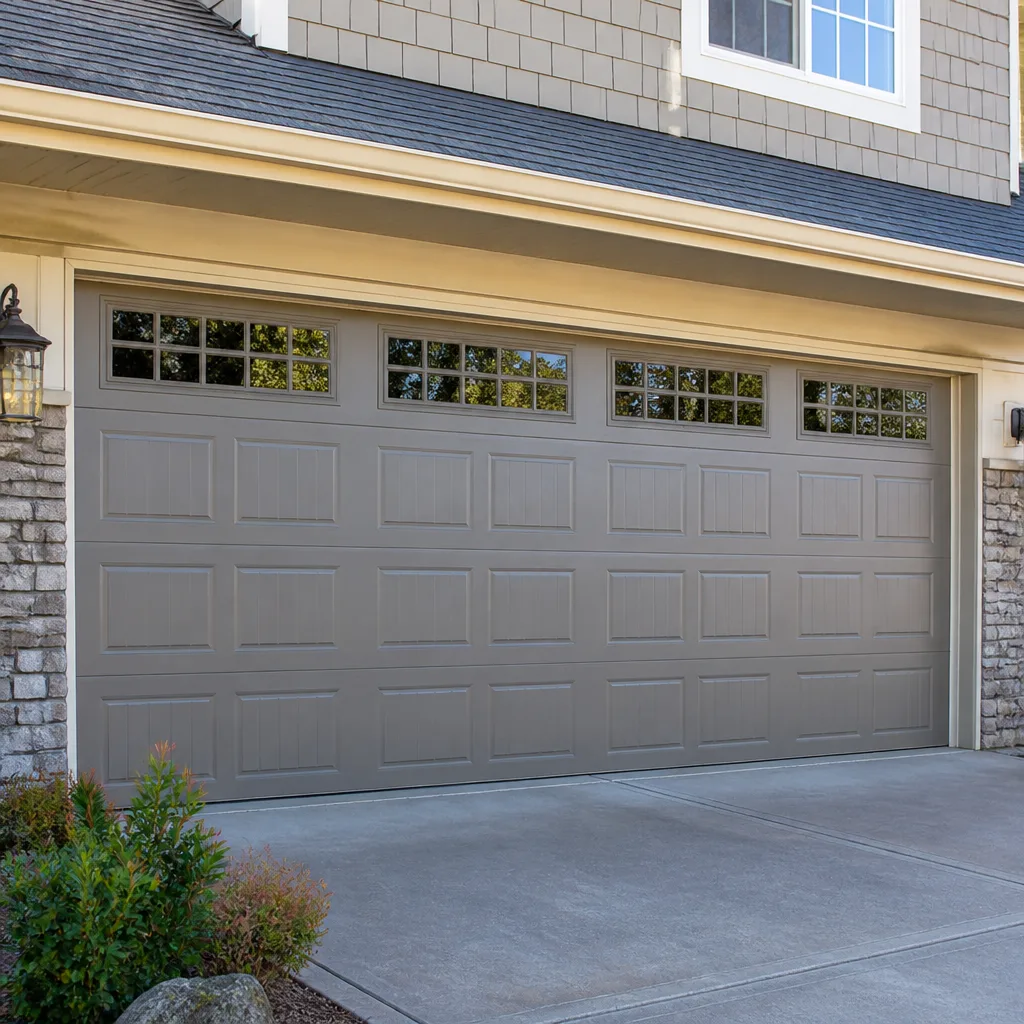 Raised-panel steel
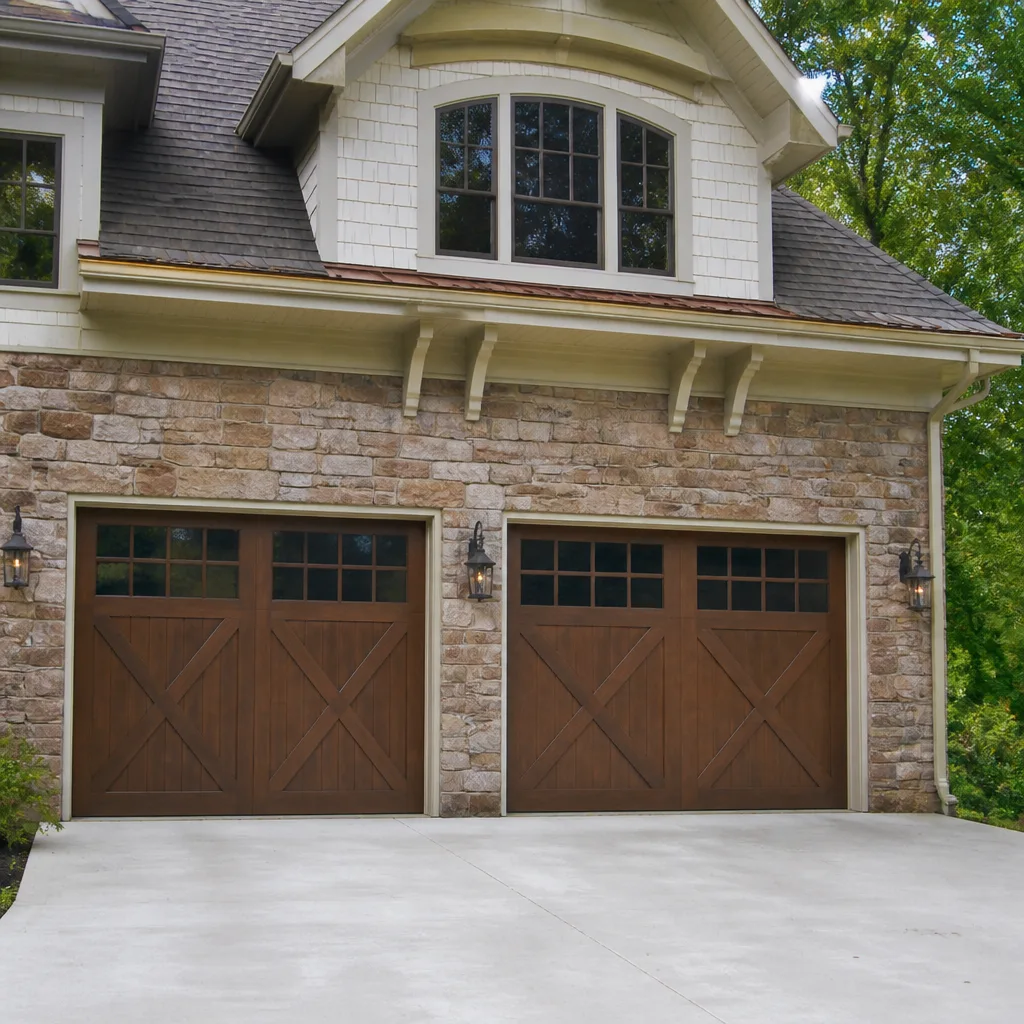 Carriage house
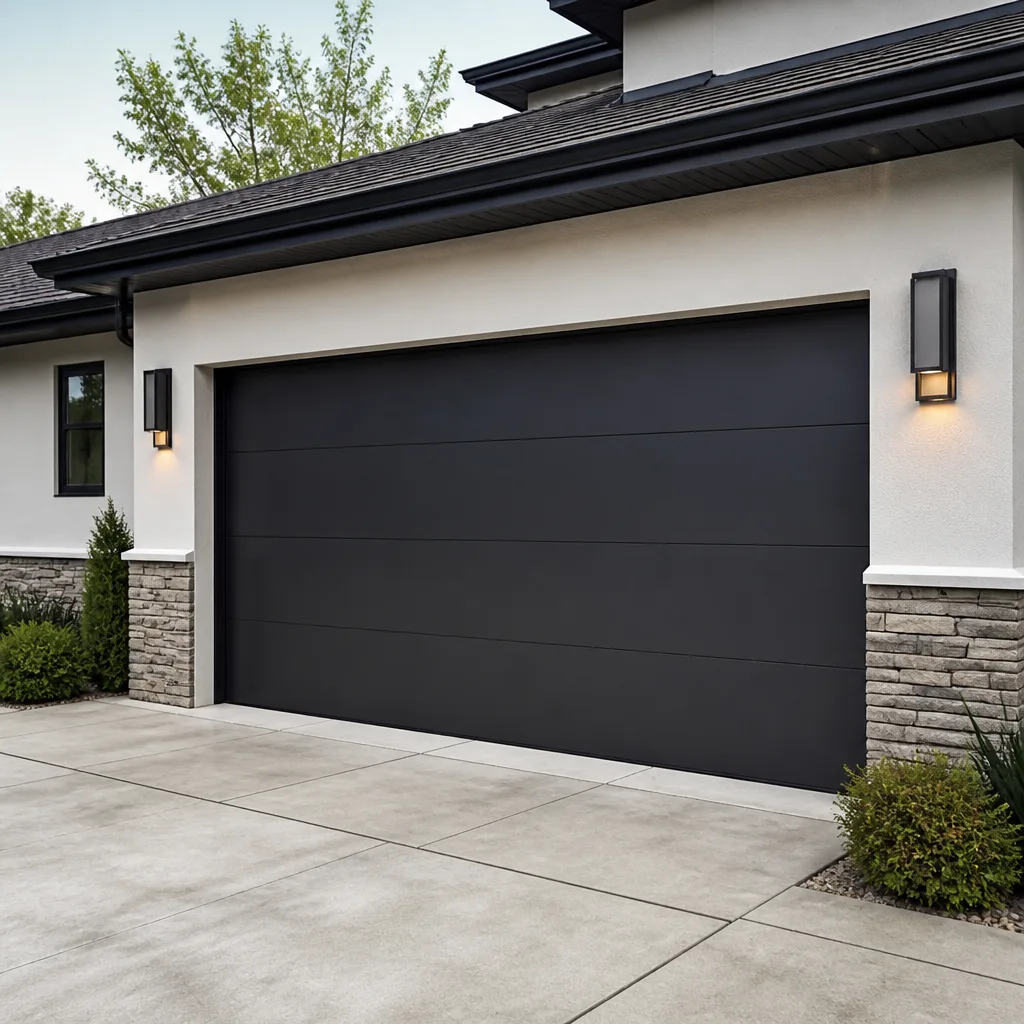 Modern flush
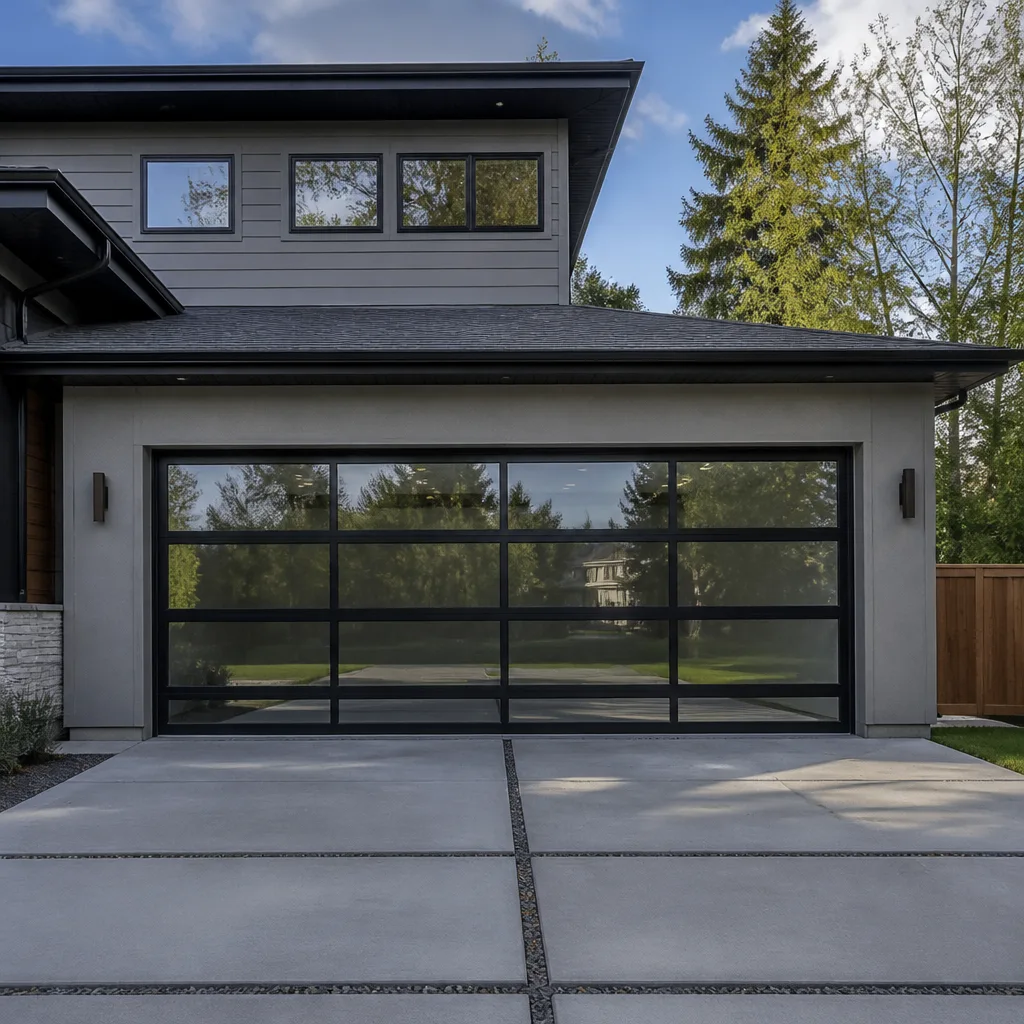 Full-view glass
 LiftMaster openers
 Chamberlain openers
Full 25-point door and opener safety check with every visit - springs, cables, rollers, tracks, and your LiftMaster or Chamberlain opener included
You get a price before we start. It does not change when the pro arrives.
Get your free estimateSeasonal Garage Door Care for Longmont: Year-Round Homeowner’s Guide
The biggest misconception about garage door maintenance is that it runs on a calendar. It doesn’t. A maintenance schedule built for a place with four predictable seasons assumes winter arrives and leaves on time, and in Longmont it often doesn’t. We’ve watched a warm March afternoon turn into a blizzard warning inside the same week, and we’ve seen the first hard freeze land while doors are still set up for mild weather. That’s why we treat each season here as a transition problem rather than a checklist: the job is to get your door ready for the swing, not for a date. This guide walks through what actually fails in Longmont at each turn, what to check, and when to stop and call a trained technician before a small problem becomes a bent panel or a snapped spring.
Quick Answer
Seasonal garage door care in Longmont comes down to preparing for abrupt transitions, not fixed dates: check the bottom seal and spring tension before the first hard freeze, keep the floor slab clear of ice in winter, retorque hardware and inspect cables after the spring freeze-thaw period, and guard south- and west-facing doors against summer UV and heat. Wind events deserve their own attention because they stress panels and tracks in ways that other climates don’t. Most of this is inspection you can do safely from the ground; anything involving springs, cables, or the torsion assembly belongs to a trained professional.
Styles & brands we work with
- Raised-panel steel
- Carriage house
- Modern flush
- Full-view glass
- LiftMaster openers
- Chamberlain openers
Table of Contents
- Why Longmont’s Climate Doesn’t Follow a Maintenance Calendar
- Fall Prep: Getting Ahead of the First Hard Freeze
- Winter Response: When the Door Freezes to the Floor
- Spring Transition: Retorquing After Freeze-Thaw
- Summer Heat and UV on South- and West-Facing Doors
- Wind Events: Panel Flex and Track Stress
- A Simple Monthly Check You Can Do Safely
- When Seasonal Care Becomes a Repair Call
Why Longmont’s Climate Doesn’t Follow a Maintenance Calendar
Longmont sits in a stretch of the Front Range that gets a lot of sunshine and still swings hard. Warm afternoons are common even in months people associate with cold, and hard freezes can arrive early in fall and linger late into spring. A maintenance calendar written for a mild coastal climate assumes gradual change. Longmont delivers abrupt change, and garage doors are mechanical systems that don’t love abrupt change. Metal expands and contracts. Lubricant thickens in cold and thins in heat. Seals that were pliable in October turn stiff by November. Springs that held their tension all summer behave differently at twenty degrees.
That mismatch is why generic advice like “lubricate in spring, service in fall” undersells what your door actually needs here. The real pattern is a series of transitions: mild to freezing, freezing to thaw, thaw to heat, heat back to cool, plus wind that doesn’t care what season it is. Each transition puts a different part of the door under stress.
We work on doors across Longmont every week, and the seasonal failures we see cluster around those transitions rather than the calendar. A door that ran quietly through a warm stretch can start grinding two days after a freeze because the lubricant stiffened or a roller seated differently. That’s not a mystery. It’s a mechanical system reacting to weather the way it always does.
So the guide below is organized by transition, not by month. You’ll get the most out of it by reading the section that matches what’s happening outside right now, then applying the checklist on the next swing. If you’d rather have a trained technician run through the full seasonal picture in one visit, that’s exactly the kind of work Longmont Garage Door Repair Pros handles.
Fall Prep: Getting Ahead of the First Hard Freeze
Fall prep in Longmont isn’t about the calendar flipping to October. It’s about beating the first hard freeze, whenever it lands. The three failure modes that show up most in the days after that first freeze are bottom seal adhesion, spring contraction, and opener sensitivity drift. Each has a straightforward check.
Bottom seal adhesion
The bottom seal is a rubber or vinyl strip along the bottom edge of the door. It compresses against the floor slab to keep weather, cold air, and pests out. When temperatures drop, the seal stiffens. A seal that was pliable in September can lift or separate along part of its length by the first cold morning, leaving a gap under the door. Run your hand along the bottom edge from the inside and feel for gaps, stiff spots, or places where the seal has pulled away from its retainer. If you find them, plan on replacing the seal rather than trying to glue a stiff strip back down; a fresh seal handles cold better than a repaired old one.
Spring contraction
Torsion springs hold the door’s weight, and cold metal contracts. A spring that’s near the end of its working life can behave very differently at twenty degrees than it did at seventy. If your door suddenly feels heavier to lift manually, or the opener strains on the way up, that’s worth a close look before the season turns. Springs are high-tension components, and the inspection you do yourself should stay observational: listen, watch, and note anything that sounds or looks different. Never try to adjust or release spring tension yourself. That work requires training and the right tools, and it’s one of the most common causes of serious garage door injuries.
Opener sensitivity drift
Openers sense resistance to know when the door has hit something and reverse. Cold stiffens the door’s moving parts, which changes the resistance the opener reads. Most modern openers have a sensitivity adjustment, and the owner’s manual for your model explains where it is. A LiftMaster or Chamberlain unit from the last decade will have its own adjustment procedure. If you’re not sure what you’re adjusting, leave it; a mis-set sensitivity is a safety problem, not just an inconvenience. This is also a good time to notice which brand and model you have, because if you do need garage door opener repair, knowing the make saves diagnostic time on the visit.
- Check the seal: hand along the bottom edge inside, look for gaps and stiff sections
- Listen to the spring: any new sound, or a door that feels heavier than usual, deserves a call
- Test the reversal: place a small object under the door and confirm it reverses
- Clear the slab: sweep leaves and debris so ice can’t form against the seal
Winter Response: When the Door Freezes to the Floor
In Longmont, the most common winter garage door call isn’t a broken spring. It’s a door frozen to the floor slab. Moisture gets under the bottom seal, freezes overnight, and bonds the door to the concrete. The instinct is to force it. That instinct is what cracks panels and strips opener gears, and it’s expensive to repair.
Here’s the safe sequence. Notice what the door is doing before you touch anything. If the opener runs but the door doesn’t lift, or the door lifts a few inches and stops hard, stop. Turn off the opener at the wall switch or unplug it. Then walk the perimeter of the door and look for ice bonded to the seal. Warm water along the seal line, applied slowly, softens the bond. Never pour hot water on a cold door; the thermal shock can crack panels or the glass in a windowed section. A heat gun pointed at the seal from a safe distance works too, but keep it moving and don’t linger on any one spot.
What not to do:
- Don’t keep hitting the opener button. A stalled opener with a frozen door strains the motor, the gear, and the rail, and on a chain-drive unit it can strip the drive gear outright.
- Don’t pull the manual release while ice is still holding the door. If the door is partway up and frozen, releasing it lets it drop. Release it only when the door is closed and down.
- Don’t pry the bottom edge with a shovel or screwdriver. You’ll bend the panel or tear the seal.
- Don’t pour hot water. Warm water, yes. Hot water, no.
Once the door is free, sweep the slab and apply a thin coat of silicone spray or a non-stick product to the bottom seal surface, and repeat after any snowmelt that leaves water pooled under the door. If a door has frozen repeatedly, the seal is usually the culprit and worth replacing before the next freeze. If the door still won’t lift cleanly after the ice is gone, it has become a repair issue, not a freeze issue. We answer 24/7 if the door is stuck and you need to talk it through, and fast dispatch from 7am to 7pm gets a technician out for the real fix.
Spring Transition: Retorquing After Freeze-Thaw
Spring in Longmont means freeze-thaw cycles: warm days, cold nights, water finding its way into every seam, then freezing and expanding. By the time the cycles stop, garage door hardware has been through dozens of thermal expansion and contraction events. Bolts that were tight in November can be loose in April. Cables can have shifted slightly on their drums. Tracks can have crept out of alignment by a fraction of an inch, which is enough to change how the door rolls.
This is the season for a full hardware inspection. The parts to check, safely from the ground:
- Hinges: look for loose bolts at the hinge-to-panel connection. Tighten with a wrench if they move.
- Rollers: spin each roller by hand and listen. A grinding roller or one with a flat spot needs replacement.
- Track alignment: stand at one end and sight down the track. Any bend, kink, or separation between vertical and horizontal track is worth a professional look.
- Cable drums: at the top of the door where the cables wind around the torsion assembly, look for cable that’s wound unevenly or sitting off the drum. This is a high-tension area; visual inspection only. Don’t touch.
- Fasteners: every bolt on the hinge plate and the track brackets should be snug. A quarter-turn past finger-tight is enough. Over-tightening strips the metal.
The cable drum inspection is the one most homeowners skip and the one that matters most after a heavy freeze-thaw season. A cable out of its groove can snap under load, and that failure happens suddenly. If anything looks off around the torsion assembly or the drums, stop and call. Springs and cables are the parts of this system that injure people, and the difference between a $40 repair and a serious injury is whether a trained technician handles the high-tension side.
Spring is also a good time to look at the panels themselves. Hail season starts later, but a door that took a hard winter can have small dents or a panel that’s working its way loose. If you find damage and a repair doesn’t make sense, we can walk through whether garage door installation is the better answer. Brands like Clopay and Amarr build doors that handle Front Range weather well, and the decision usually comes down to the age of the door and the extent of the damage rather than the brand alone.
Summer Heat and UV on South- and West-Facing Doors
Longmont gets a great deal of sunshine, and a south- or west-facing garage door takes the brunt of it. UV degrades paint, seal materials, and plastic components steadily rather than dramatically. You won’t notice the change week to week. You will notice it over a couple of summers, when the paint on the sun side starts to chalk or fade, the bottom seal cracks before its time, and window inserts on a carriage-style door turn cloudy.
What degrades fastest on a sun-facing door:
- Paint and finish: chalky or faded finish is UV damage, not just aesthetics. A failing finish lets moisture into the substrate.
- Bottom seal: rubber and vinyl crack and harden faster in UV. A sun-facing seal often needs replacement sooner than a shaded one.
- Window inserts: plastic glazing on decorative windows clouds and yellows. Glass handles heat better but costs more and weighs more.
- Wood trim and jambs: painted wood facing the afternoon sun needs repainting more often than shaded wood; if the paint fails, the wood underneath absorbs water.
The practical response in summer is wash and inspect. A garden hose and mild soap remove the dust and pollen that hold heat, and the wash is a chance to run a hand over the finish and find chalking or flaking early. Touch up paint on a sun-facing steel door before it fails rather than after. If your door is a Wayne Dalton steel model or an older door with a factory finish, the manufacturer’s paint recommendation matters; using the wrong paint on a factory finish can cause it to peel. This is also the season to check the opener’s heat response. A door that ran smoothly all spring but feels sluggish on the hottest afternoons is often a stiff roller or a track alignment issue that heat has made worse, not an opener fault. Swap the rollers first, then look at the opener.
If your door faces west and takes sun for six hours a day, plan on an annual finish check in early summer rather than waiting for problems. That’s a simple routine that adds years to the door.
Wind Events: Panel Flex and Track Stress
Longmont gets wind the way some towns get rain. The gusts that come through the Front Range can put real pressure on a garage door, and the door is a large flat surface that catches every bit of it. Panel flex under wind load is normal up to a point. When the flex becomes audible, or when you can see movement in the panels from inside the garage, the door is working harder than it’s built for.
What wind does to a door over time:
- Panel flex: repeated load cycling can loosen the seams between sections and, on older doors, work a hinge bolt loose.
- Track alignment stress: the track is anchored to the wall and the ceiling, and wind pressure on the door translates into sideways load on the brackets. Over a season of wind, brackets can work loose.
- Roller wear: the rollers take the flex and the vibration. Rollers with play in them get worse under wind load.
After a significant wind event, check the door closed and look for anything obviously off: a panel sitting lower than its neighbors, a track that bows out, a roller jumped out of the track. If you see any of these, don’t run the door until a technician has looked at it. A door that jumps track under wind load can come down hard.
When a door needs bracing, that’s a structural decision, not a homeowner adjustment. Wind-rated bracing is a specific product matched to the door’s size and the load it’s expected to take. Adding a strut in the wrong place on the wrong panel stresses other parts of the door. For older doors in open, windy parts of Longmont, a professional assessment of whether bracing makes sense is often the difference between a door that handles a gust season and one that starts showing panel damage. If you’re not sure what you’re looking at inside the garage after a wind event, that’s a good time to have someone walk through it with you.
A Simple Monthly Check You Can Do Safely
A five-minute inspection once a month catches most of what goes wrong between seasonal visits. Every item below is safe to do from the ground, with the door closed and the opener switched off.
- Visual pass: stand back and look at the door. Is it sitting level? Any panel out of line with its neighbors? Any daylight showing under the seal?
- Seal check: hand along the bottom edge for gaps, stiffness, and separation.
- Roller check: spin each roller with your fingers. Grinding or flat spots mean replacement.
- Hinge check: every hinge bolt should be snug. Tighten with a wrench if you find play.
- Track check: sight down both tracks for bends or separation. Look at the brackets for loose bolts.
- Balance test (safe version): with the opener off, raise the door to about halfway by hand and let go. It should stay put or drift slowly. If it slams down, the spring or the balance is off, and it’s a call, not a DIY fix.
- Reversal test: with the opener back on, place a roll of paper towels under the door and close it. The door should reverse.
- Lubrication: a small amount of garage-door lubricant on hinges, rollers, and the torsion tube (not the springs themselves, and not the track surface) keeps the system smooth. Use a product designed for the purpose; WD-40 is a solvent, not a lubricant, and using it alone dries out the moving parts.
Do these with the door closed or at rest, never mid-cycle. If any check turns up a problem with a spring, a cable, or the torsion assembly, stop and call. Those parts store enormous energy and can release it without warning. Even something that looks like a minor adjustment on a torsion assembly can turn into a serious injury if it goes wrong. The rest of the list, you can handle yourself.
When Seasonal Care Becomes a Repair Call
Some garage door problems are seasonal housekeeping. Others are repair calls that need a trained technician. The dividing line is straightforward. If a problem involves high-tension components, structural alignment, or a door that won’t move safely, it’s a call. If the door is stuck and the house is open to the street, that’s an emergency and worth picking up the phone immediately.
The scenarios that warrant a call:
- The door feels heavier than usual or slams down instead of staying put
- You hear a loud snap and the door won’t lift, which usually means a broken spring
- Any cable is off its drum, frayed, or slack
- The door is stuck open, frozen to the floor, or off its track
- The opener runs but the door doesn’t move, or the motor strains
- A panel is cracked, bent, or out of alignment after a wind event
- You’re not sure what’s wrong, and the door is making a new sound
For any of those, Longmont Garage Door Repair Pros offers free estimates in Longmont. Call (888) 574-5680. We answer 24/7. Fast dispatch from 7am to 7pm, Sunday through Friday. Our technicians have up to 15 years of experience, and we work on eight major brands, so the brand on your door isn’t a diagnostic problem. Craftsman and Raynor systems are as familiar to us as LiftMaster and Chamberlain. Whether it’s a seasonal tune-up, a snapped spring, or a full garage door repair, we’ll give you a written estimate before any work starts so the price is agreed before we touch the door.
See the difference
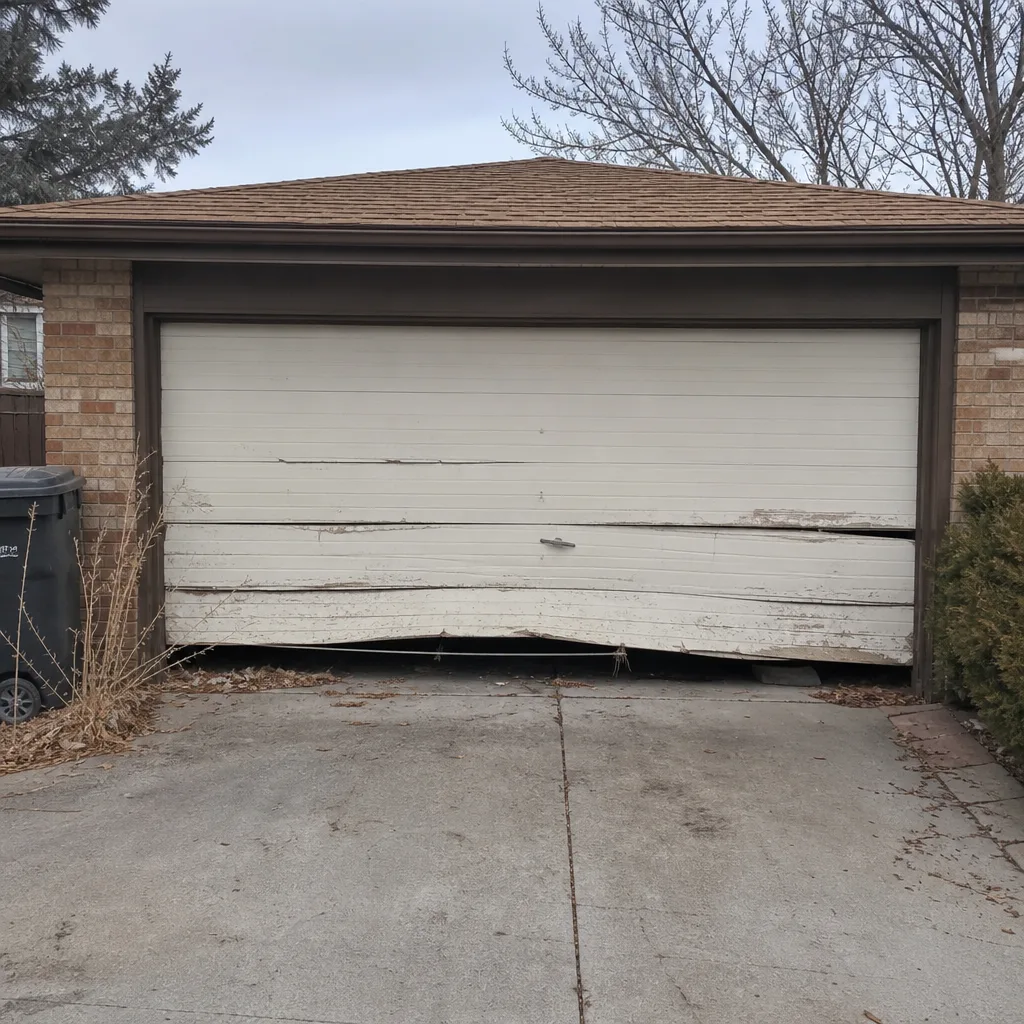 Before
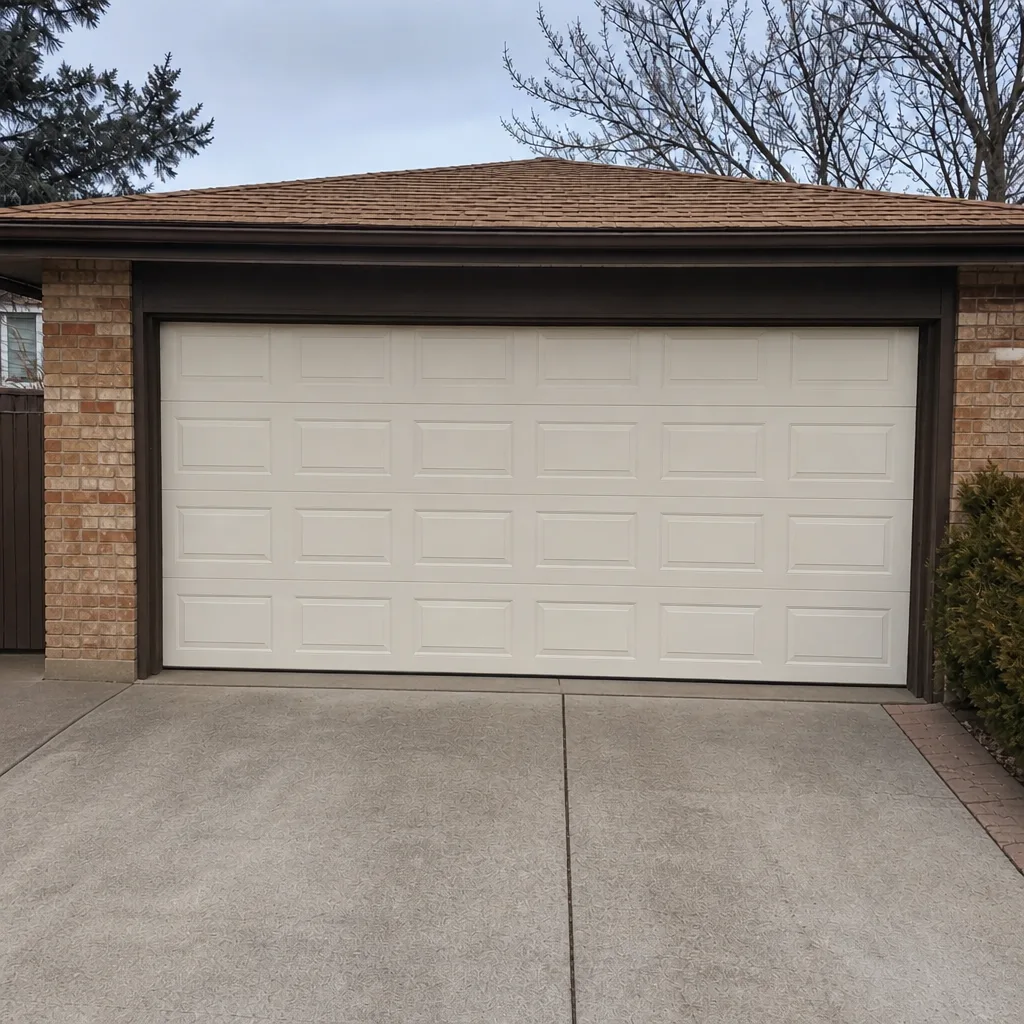 After
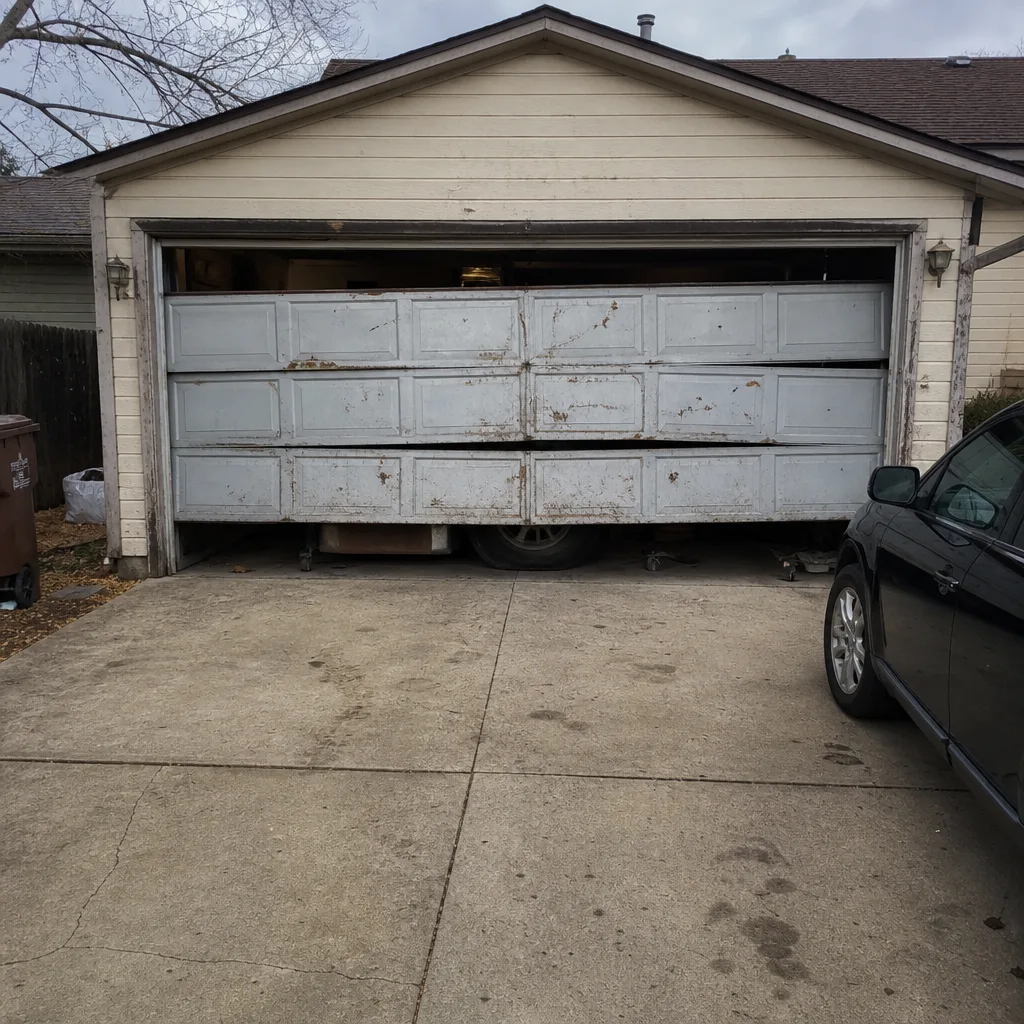 Before
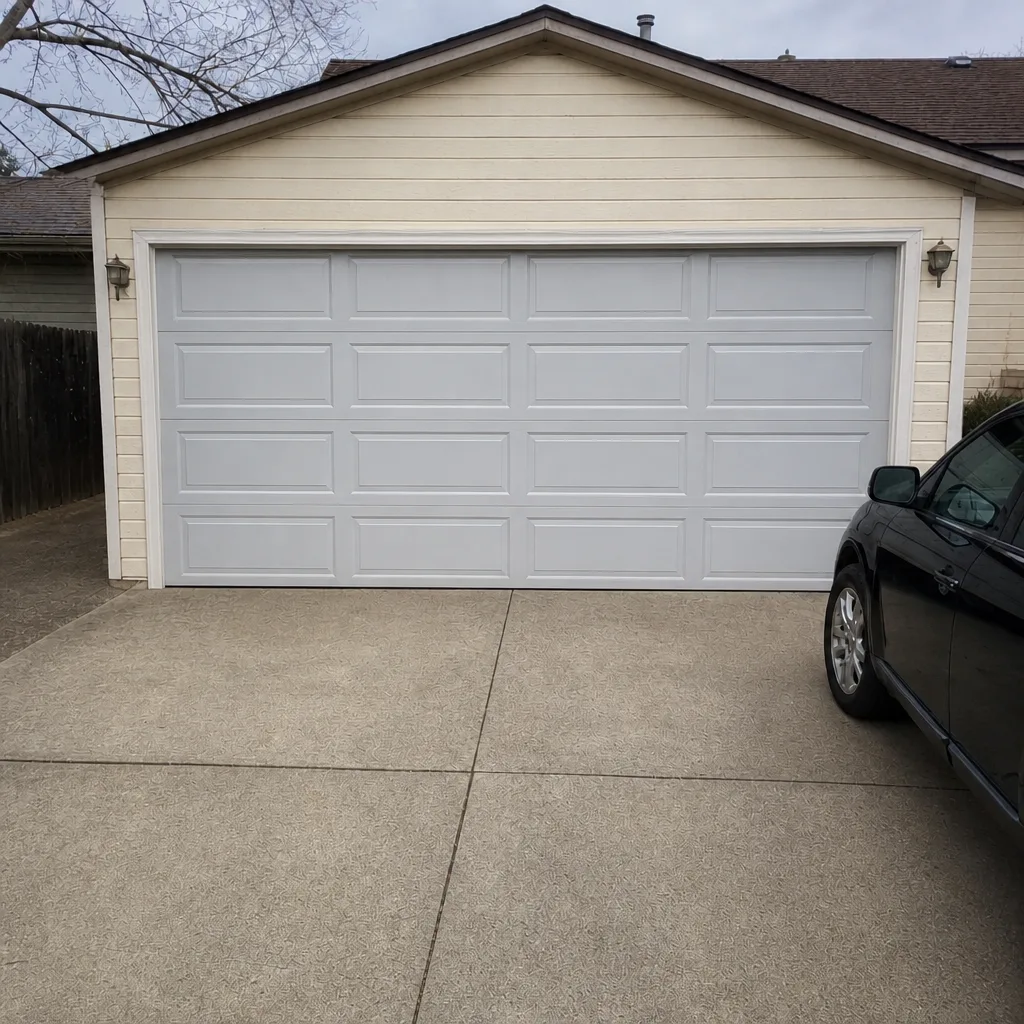 After
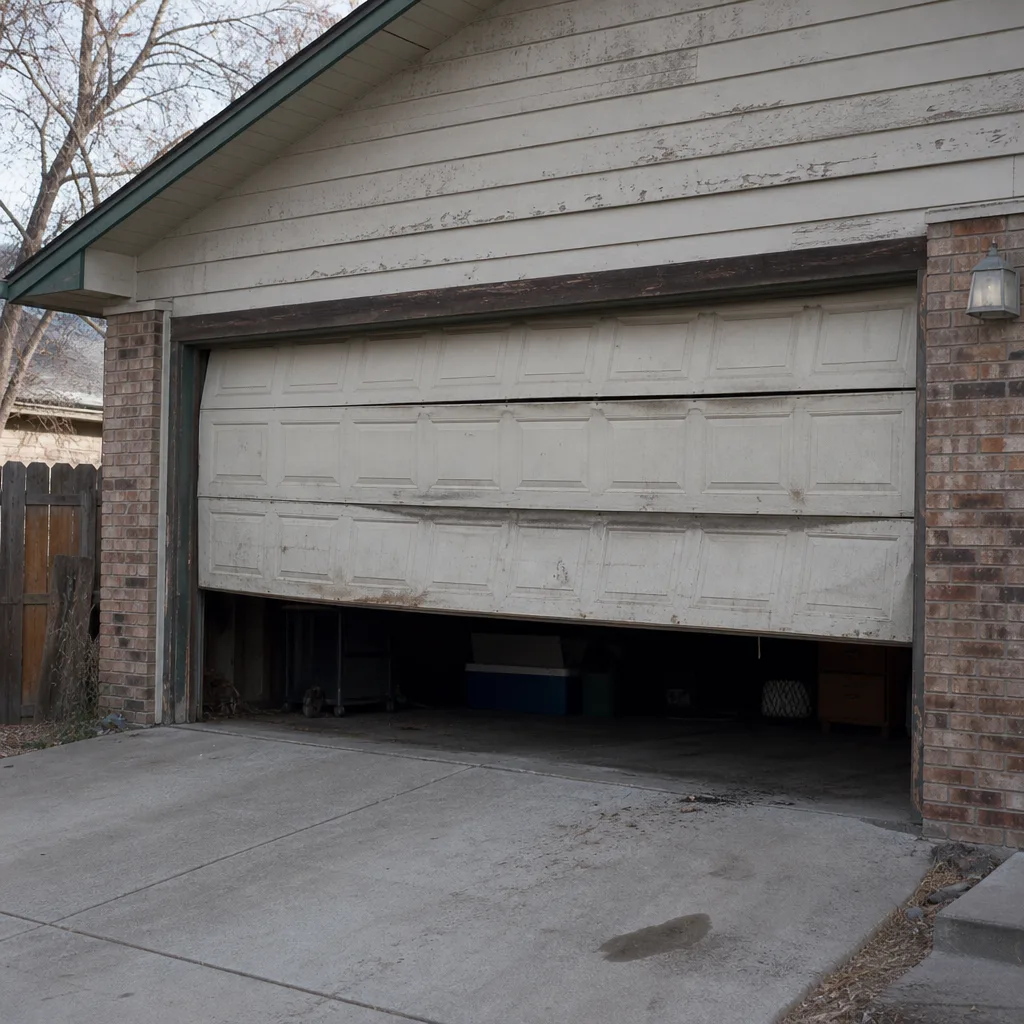 Before
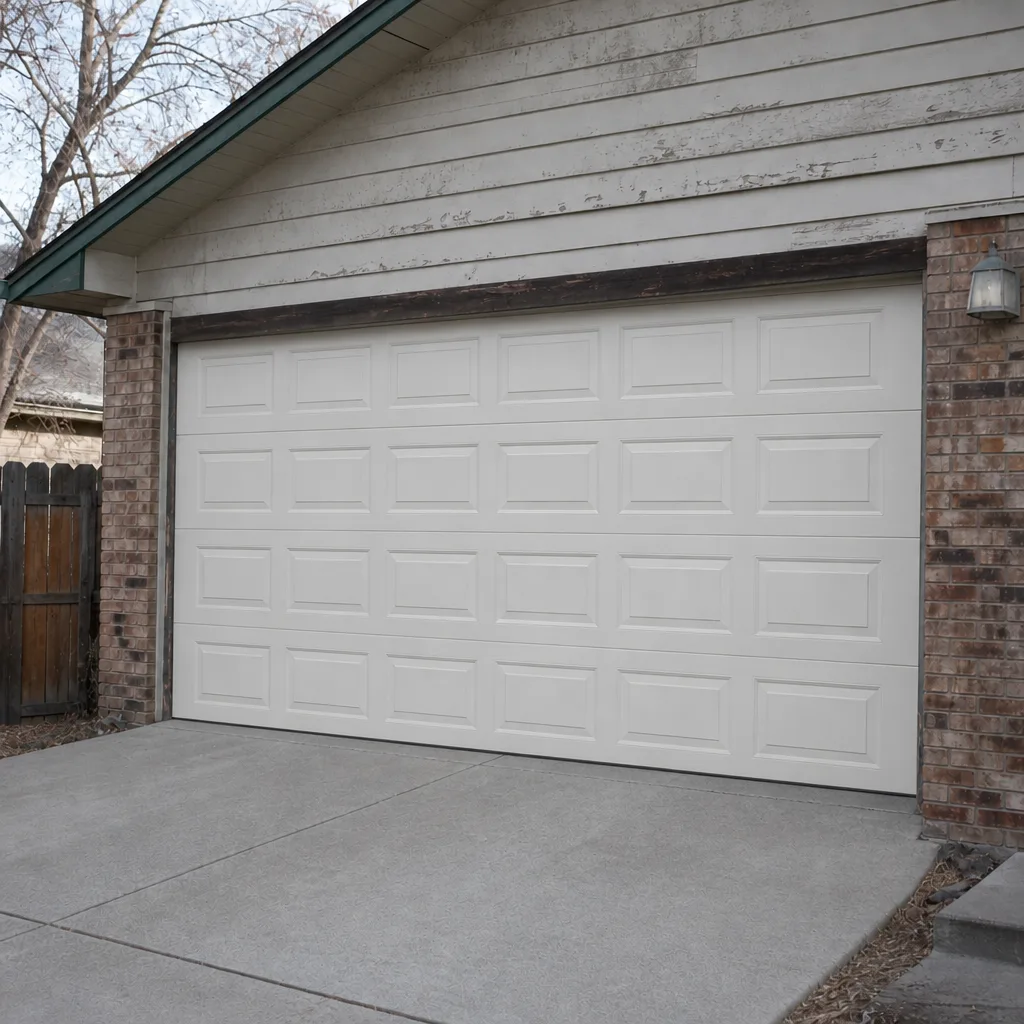 After
Common Mistakes to Avoid
- Force-lifting a frozen door. This is the single most common way Longmont homeowners turn a simple freeze into a cracked panel or a stripped opener gear. Warm water along the seal, never force, and never hit the opener button repeatedly while the door is stuck.
- Ignoring the bottom seal until it fails completely. A seal that’s stiff or lifting lets water under the door in spring and lets cold air in during winter. Catch it in fall and you save yourself the froze-to-the-slab call in January.
- Adjusting opener sensitivity by guesswork. Opener sensitivity is a safety feature. If the door doesn’t reverse on a test, the fix is usually a door problem (stiff roller, track alignment), not a sensitivity setting. Leave it alone if you’re not certain, and have the door checked instead.
- Assuming the maintenance calendar from another climate applies here. “Lubricate in spring, service in fall” was written for places with four predictable seasons. Longmont’s abrupt swings mean you check before each transition, not on a fixed date.
- Prying a frozen door with a shovel or screwdriver. The bottom panel is the most visible part of the door, and prying it bends it. Warm water and patience work. Tools that aren’t designed for the door usually cause more damage than the ice did.
- Tightening a track bracket with a power driver. A quarter-turn past finger-tight is right. Over-torquing strips the mounting hole in the steel and makes the bracket loose permanently.
- Skipping the post-wind check. After a significant wind event, walk the door and look for a panel that’s out of line or a track that’s bowed. Running a door that’s off its track under wind load is how a repairable problem becomes an emergency.
Frequently Asked Questions
Twice a year is a reasonable baseline, timed to the transitions rather than the calendar: once in late fall before the first hard freeze, and once in spring after the freeze-thaw period. Beyond that, a five-minute monthly inspection from the ground catches most of what goes wrong between visits. A door that gets heavy use, or one that faces west and takes full afternoon sun, benefits from a third check in midsummer.
It can, and it’s one of the most common winter calls we get. The freeze happens when moisture gets under the bottom seal, freezes overnight, and bonds the door to the slab. The fix is prevention: sweep the slab, keep the seal in good condition, and apply a thin coat of silicone spray to the seal surface after any snowmelt that leaves water under the door. If a door has already frozen, warm water along the seal line releases it safely. Call (888) 574-5680 if the door won’t lift cleanly after the ice is gone.
No. Torsion springs store enough energy to cause serious injury, and releasing that energy in the wrong way is one of the most common ways people get hurt working on a garage door. The inspection you can do yourself is observational: listen, watch, and note anything that sounds or looks different. The repair belongs to a trained technician. Spring repair is a core part of what we do, and a matched pair is usually replaced together because the springs wear at the same rate.
Stop running the door. Wind load can knock a roller out of its track or bow a track bracket, and running the door in that condition can bring it down hard. Walk the door closed and look for a panel sitting lower than its neighbors, a track that bows out, or a roller that’s jumped its groove. If you see any of those, call for service. If nothing looks off and the door still won’t move, the problem is likely at the opener or the balance, and that’s also a call.
Yes, over time. UV degrades paint, seal materials, and plastic window inserts steadily. The door won’t fail suddenly, but a sun-facing finish will chalk and fade, and the bottom seal will crack sooner than a shaded one. Washing the door with mild soap in early summer, checking the finish, and touching up paint before it fails keeps a sun-facing door in good shape for years longer than waiting for visible damage.
We service eight of the most widely installed garage door and opener brands in residential use: LiftMaster, Chamberlain, Genie, Clopay, Amarr, Wayne Dalton, Craftsman, and Raynor. That covers both modern smart-opener platforms and older legacy systems, so we can diagnose what we find rather than guessing from a distance. Call (888) 574-5680 with the make and model if you have it, and we’ll tell you what a visit will look like.
The Bottom Line
Seasonal garage door care in Longmont works best when it’s timed to transitions, not dates. Fall prep gets ahead of the first hard freeze with a seal check, spring inspection, and opener check. Winter response is mostly about not fighting a frozen door. Spring is for retorquing hardware and inspecting cable drums after the freeze-thaw season. Summer is for UV and heat on south- and west-facing doors. Wind events get their own walkaround. Do the safe checks yourself, call a trained technician for anything involving springs, cables, or structural alignment, and treat the whole routine as a habit rather than an annual event. That’s how a door handles whatever the Front Range throws at it.
When something needs a closer look, Longmont Garage Door Repair Pros is here. Call (888) 574-5680 for a free estimate in Longmont. We answer 24/7. Fast dispatch from 7am to 7pm, Sunday through Friday. Our technicians have up to 15 years of experience, and every job starts with a written estimate so you know the price before work starts.
Written by the team at Longmont Garage Door Repair Pros.