
Last updated November 22, 2026
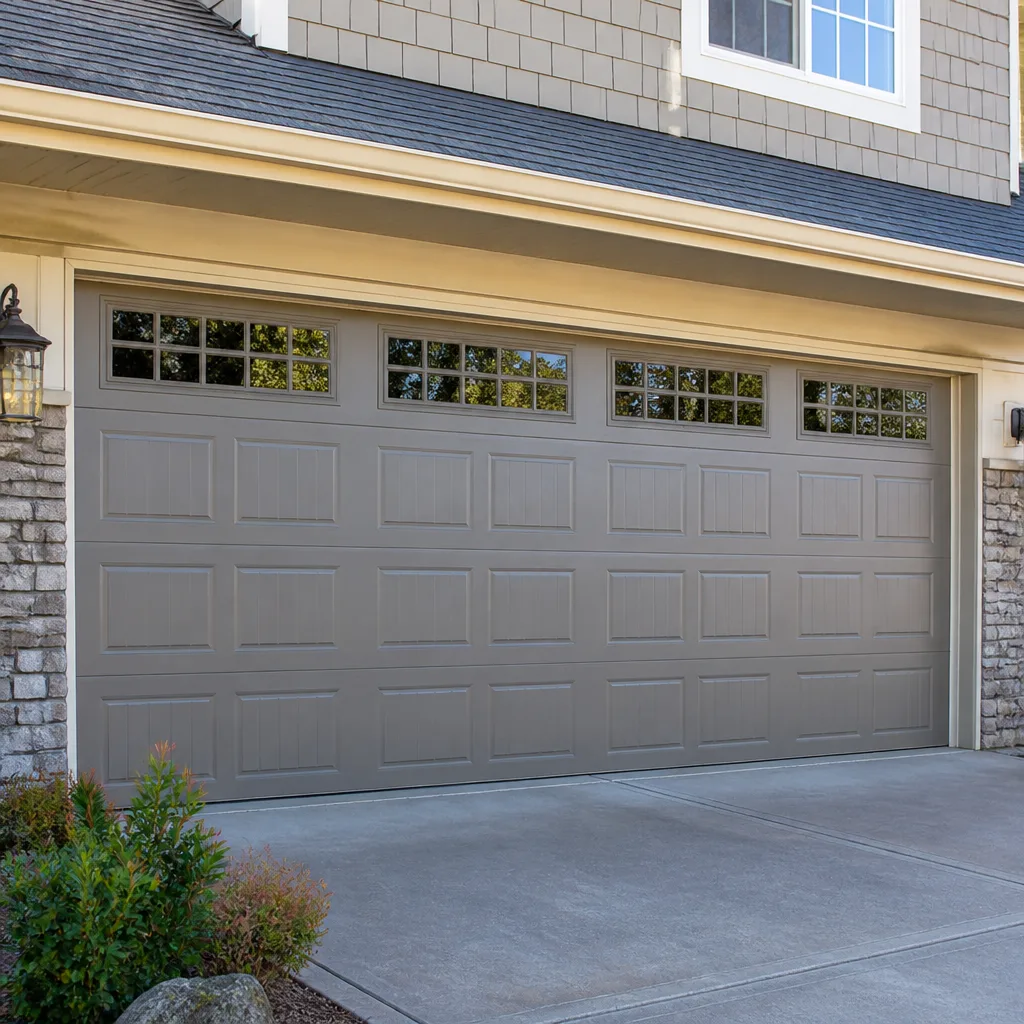 Raised-panel steel
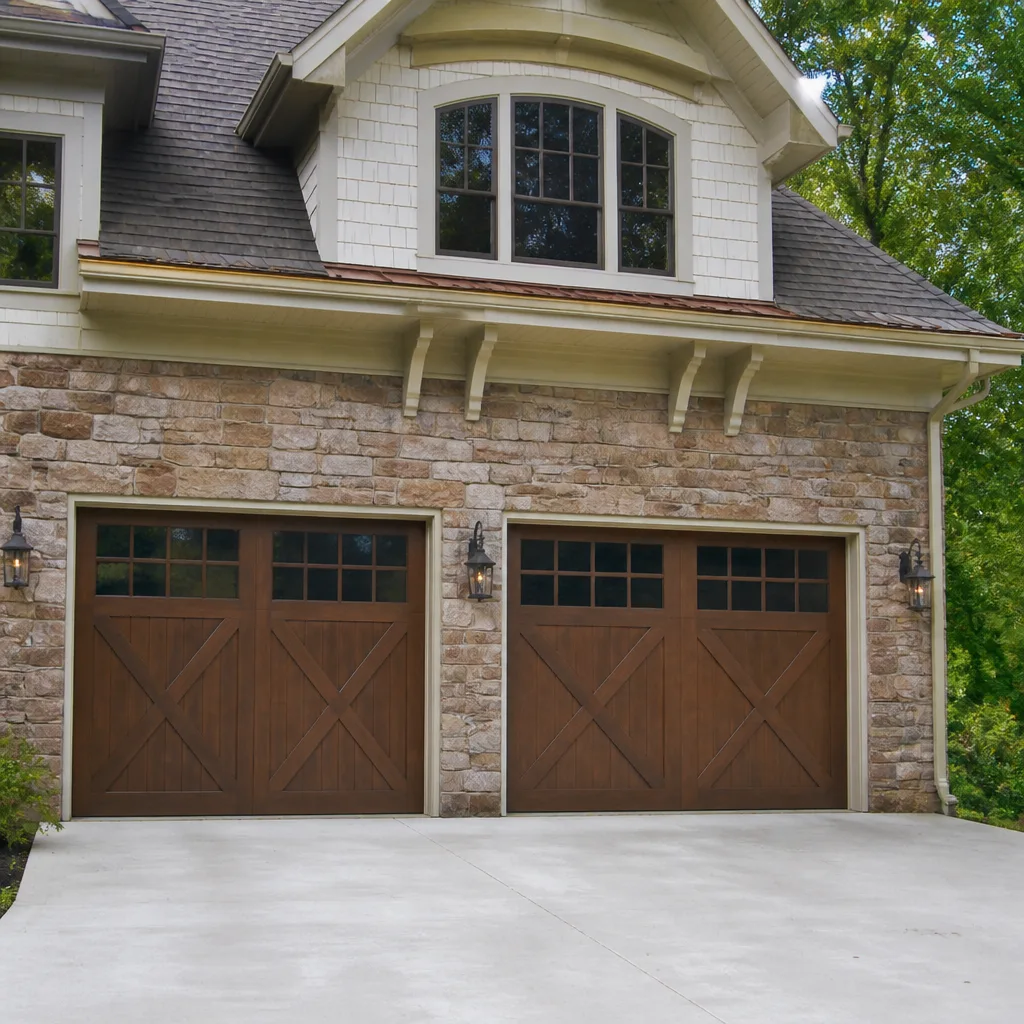 Carriage house
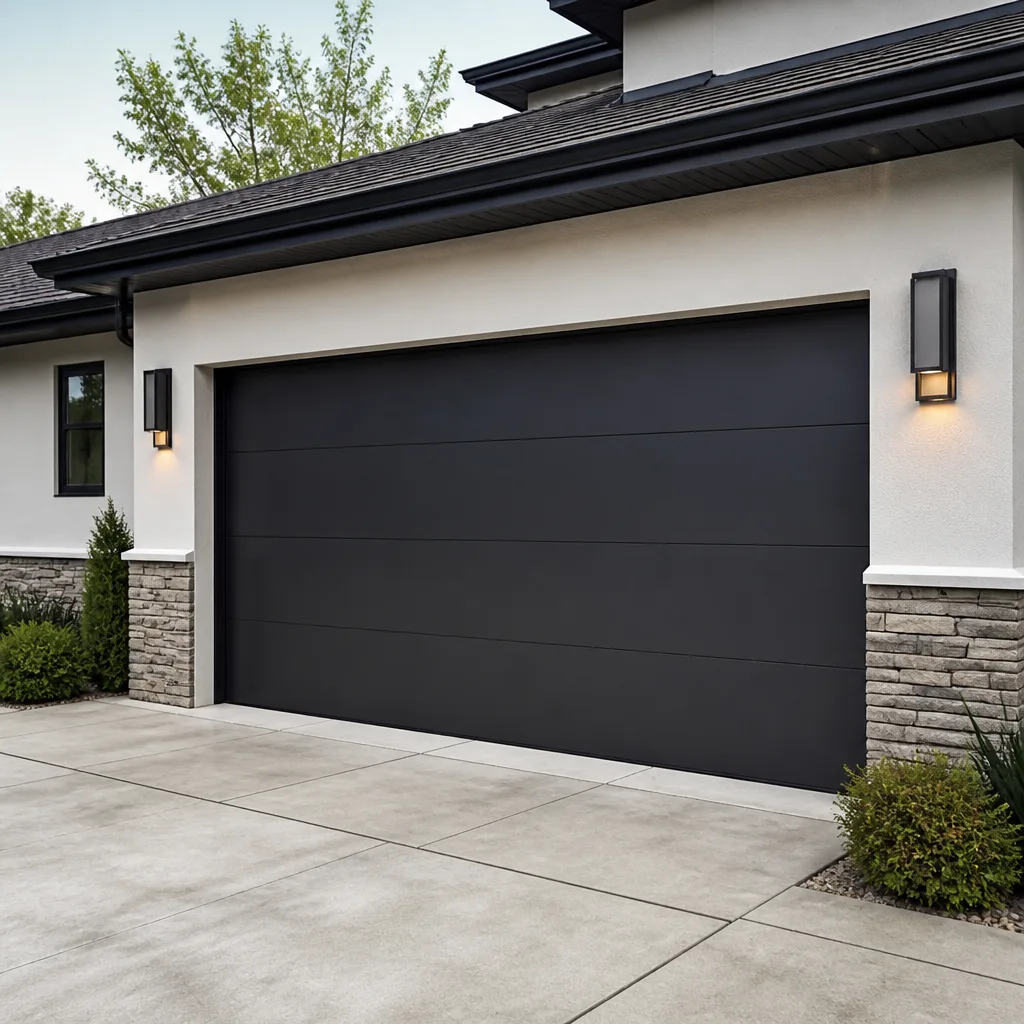 Modern flush
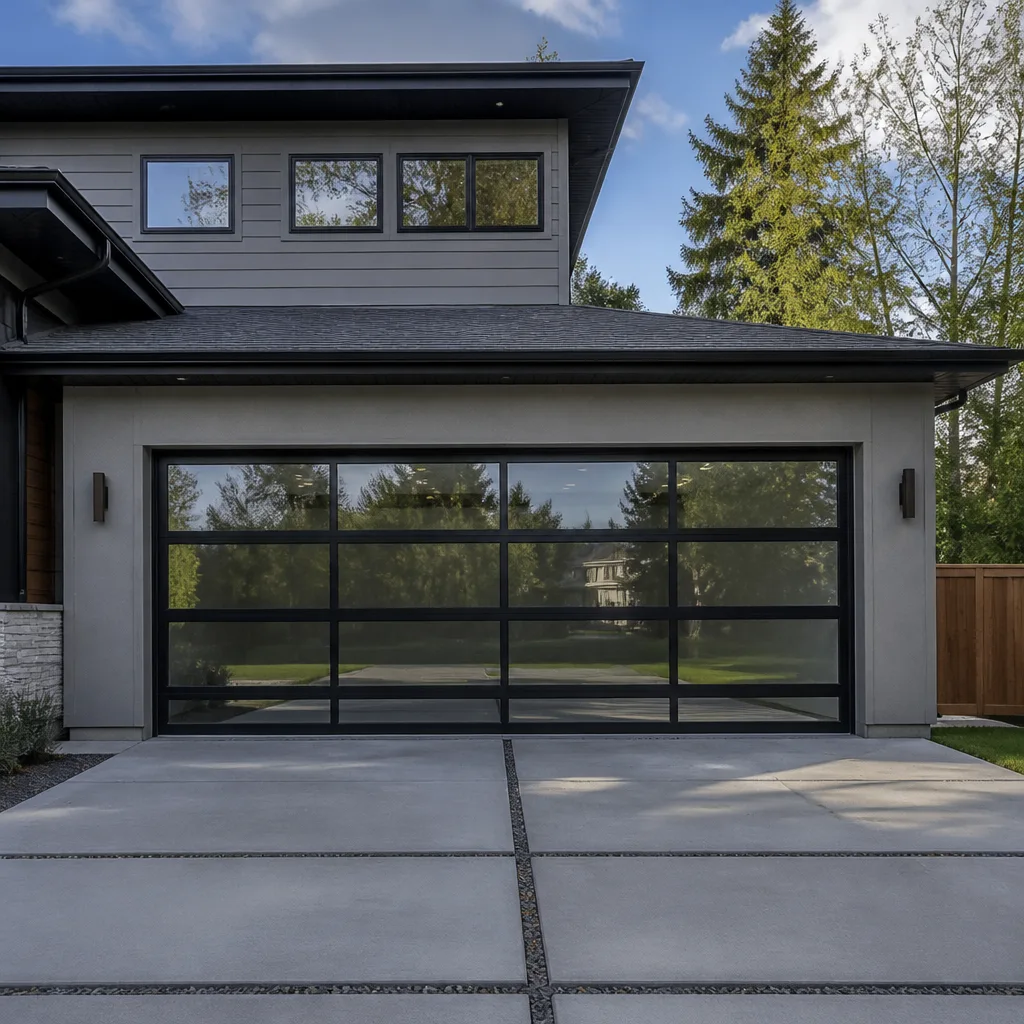 Full-view glass
 LiftMaster openers
 Chamberlain openers
Full 25-point door and opener safety check with every visit - springs, cables, rollers, tracks, and your LiftMaster or Chamberlain opener included
You get a price before we start. It does not change when the pro arrives.
Get your free estimateGarage Door Repair Maintenance Schedule: What to Do and When
Most garage door advice is written on a calendar: check this in spring, oil that in fall. But your door doesn’t know what month it is. It knows how many times it’s gone up and down. The average torsion spring is rated for roughly 10,000 cycles, and a household that opens the door four times a day burns through that rating in about seven years, while a household that opens it twice a day stretches it closer to fourteen. Same spring. Same street in Longmont. Very different wear. That’s why the useful maintenance schedule is built on cycles, not seasons. This guide shows you how to estimate your door’s real wear, which four tasks actually prevent expensive failures, and exactly where the homeowner’s job ends and a technician’s begins.
Quick Answer
A working garage door maintenance schedule comes down to four homeowner checks done at cycle-based intervals – a monthly visual scan, a lubrication pass every six months or roughly 500 cycles, a balance test every three months, and a professional inspection every 12 to 18 months or 2,000 cycles, whichever comes first. Everything involving springs, cables, and the torsion assembly is technician-only work and should never be a DIY task.
Styles & brands we work with
- Raised-panel steel
- Carriage house
- Modern flush
- Full-view glass
- LiftMaster openers
- Chamberlain openers
Table of Contents
- Why Cycle Counts Beat Calendar Dates
- How to Estimate Your Door’s Cycles Right Now
- The Homeowner Tasks: What You Can Safely Do
- Lubrication: The One Mistake That Causes More Damage Than Skipping It
- The 60-Second Balance Test
- Before and After Longmont Winters: What to Inspect
- The Task-and-Interval Table: Homeowner vs. Technician
- What a Technician Checks That You Can’t
Why Cycle Counts Beat Calendar Dates
A garage door is a machine with a finite lifespan measured in cycles, not months. One cycle is a full open plus a full close. Every spring, hinge, roller, and bearing on your door has a rated cycle life, and the torsion spring – the part under the most tension – is usually the first to give out. Seasonal maintenance checklists ignore this entirely. Two identical doors on the same block in Longmont can have wildly different remaining life depending on how many cars come and go each day.
Thinking in cycles changes what you prioritize. A household with two commuting vehicles, kids, and a dog door that gets used constantly is putting far more wear on the door than a retired couple who leaves once a day. The second household may not need a spring inspection for years beyond what a calendar would suggest. The first might be overdue right now.
There’s also a second variable that matters more in Colorado than most places: temperature swing. A torsion spring expands and contracts as the metal warms and cools, and Longmont sees plenty of days where the temperature climbs and drops by thirty degrees or more between morning and afternoon. Every one of those swings adds a small amount of stress cycling to the spring, on top of the mechanical cycles from opening and closing. That’s why doors here tend to fail during the first cold snap of the season, or right after a warm stretch breaks. The spring didn’t suddenly wear out. It crossed a threshold it had been approaching for months.
The takeaway: stop treating maintenance as a seasonal chore. Track usage, watch for the warning signs we cover below, and get a professional inspection on a cycle-based interval rather than waiting for something to snap.
How to Estimate Your Door’s Cycles Right Now
You don’t need a special tool to get a rough cycle count. You need an honest estimate of daily use and a little math.
- Count a typical day’s openings. How many times does the door go up on an average weekday? Include every driver leaving and returning, every time someone runs an errand, every delivery that needs the garage. A four-person household with two cars often lands at 6 to 10 cycles a day.
- Add the weekend bump. Errands, sports, yard work, and visiting family usually push weekend use higher than weekdays.
- Multiply by 365, then by the number of years since the spring was last replaced. If you don’t know when the spring was last replaced, assume it’s original to the door and use the door’s install date if you can find it on the sticker or paperwork.
- Compare against the 10,000-cycle benchmark. If your estimate puts you past 8,000 cycles, you’re in the watch window. Past 10,000 and the spring is living on borrowed time.
A quick example: 8 cycles a day times 365 days is about 2,920 cycles a year. At that rate, a 10,000-cycle spring hits its rated life in under three and a half years. That surprises a lot of homeowners who assume a spring should last “a decade or so.” It depends entirely on the door.
If the math tells you your spring is near or past its rating, the right move isn’t to wait and see – it’s to schedule an inspection before it fails at an inconvenient hour. A snapped spring leaves the door stuck, often half-open, and that’s a security and safety problem until it’s repaired.
The Homeowner Tasks: What You Can Safely Do
There are exactly four things a homeowner can and should do without a technician, and everything else stays in professional hands. Here’s the safe list:
- Visual inspection of the door and hardware. Look at the panels for dents or cracks, check the hinges and rollers for obvious wear, and scan the tracks for bends or debris. Do this monthly, and more often if the door gets heavy use.
- Listen and watch. A door that’s getting louder, shuddering, or moving unevenly is telling you something. Note it and mention it at your next inspection.
- Lubrication of the correct parts. Rollers, hinges, and the torsion bar bearings – never the tracks. We’ll cover the exact mistake to avoid below.
- The balance test. A 60-second check that tells you whether your springs are still doing their job. Details in the next section.
That’s it. Replacing a spring, adjusting a cable, or messing with the torsion assembly are not homeowner tasks, no matter how many videos are online. Those components are under extreme tension, and a mistake can cause serious injury in an instant. We’re not being cautious for the sake of it – the high-tension spring is the single most dangerous part of the whole system, and it needs a trained technician with the right winding bars and the right understanding of what happens if it lets go. If your inspection turns up anything that looks wrong with the springs or cables, stop and call a professional.
Everything else – opener programming, track alignment, panel repair, and of course a full replacement when the time comes – is work your technician handles as part of a normal service call. The homeowner’s job is really just to notice problems early and get them looked at before they get worse.
Lubrication: The One Mistake That Causes More Damage Than Skipping It
The most common lubrication mistake is reaching for WD-40 and spraying it all over the door. That’s worse than doing nothing, because WD-40 is a solvent and a light penetrating oil, not a lubricant. It strips away the grease that’s already doing the work, then evaporates and leaves the part drier than it started. Do it a few times and you’ve accelerated wear on hinges and rollers that would otherwise have lasted years.
Here’s what to use and where, done correctly:
- Use a proper garage door lubricant. A lithium-based grease or a purpose-made silicone or white lithium spray designed for door hardware. Not WD-40, not cooking spray, not motor oil.
- Lubricate the hinges. A small amount at each hinge pivot point. Wipe off excess so it doesn’t attract grit.
- Lubricate the rollers. The stems and bearings, not the wheels themselves. If you have nylon rollers, they’re largely self-lubricating, so light is plenty.
- Lubricate the torsion bar bearings. A small amount at the points where the bar passes through the end brackets. This is the one area where a light application does a lot of good.
- Leave the tracks alone. Tracks should be cleaned, not greased. Grease in the tracks traps dust and grit, and that grit grinds against the rollers every time the door moves. Wipe the tracks down with a dry cloth or a slightly damp one and let them be.
Do this pass every six months, or every 500 cycles if your door gets heavy use. That’s a useful benchmark to hold on to: if your household estimate from earlier puts you at 8 cycles a day, you’re due for lubrication every couple of months. Adjust to your actual usage rather than waiting for spring and fall.
In Longmont, the dry climate helps a little – less humidity means less rust than you’d see on the coasts. But dust is the trade-off. All that fine Colorado dust finds its way onto lubricated surfaces and turns into a grinding paste if you over-apply. The fix is simple: use less lubricant than you think you need, and wipe away the excess.
The 60-Second Balance Test
This is the single most useful check a homeowner can do, and it tells you more about your springs than any visual inspection. Here’s how it works:
- Close the door fully. Make sure nothing and no one is in the way.
- Disconnect the opener. Pull the manual release cord so the door is no longer driven by the opener motor. You should hear a click as the trolley disengages.
- Lift the door about halfway by hand. Use the handle or the bottom edge. Lift steadily, not with a jerk.
- Let go at the halfway point. The door should stay right where you left it, or settle only an inch or so.
If the door stays put, the springs are balancing the door’s weight correctly. If it drops, the springs have lost tension – they’re weakened, not broken, but they’re on their way. If it rises on its own, the springs are over-tensioned, which also isn’t safe and can cause the opener to strain.
Either result – dropping or rising – is a sign to call a technician. A slight drop or rise of an inch or two is often acceptable, but anything more is not. Don’t try to adjust the springs yourself to fix it. That’s the one part of the door that isn’t a homeowner job, no matter what the balance test tells you.
Run this test every three months, or any time you notice the door feels heavier than usual when you lift it by hand. In Longmont, it’s also worth running right after a big temperature swing – the kind we get when a cold front blows through, dropping the temperature twenty degrees in a few hours. Springs that were fine in the morning can be noticeably weaker by evening, and the balance test catches it before the door fails completely.
If the door is stuck or half-open after a spring failure, that’s a security issue you shouldn’t leave overnight. That’s the kind of situation where emergency service matters, and it’s a real part of what we offer – a broken door in Longmont shouldn’t be left wide open while you wait for a regular appointment slot.
Before and After Longmont Winters: What to Inspect
Longmont winters are hard on a garage door in ways that a milder climate won’t expose. The freeze-thaw cycle, the dry air, and the twenty-plus degree temperature swings all work on the weatherstripping, the bottom seal, and the springs. Here’s what to check before the cold arrives and again once it’s over.
Before winter:
- Weatherstripping around the door frame. Run your hand along the seal. Look for cracks, brittleness, or places where it’s pulled away from the frame. A stiff, cracked seal lets cold air and moisture in and can freeze to the door.
- Bottom seal. The rubber strip along the bottom edge takes the most abuse. Check that it’s flexible, not hardened, and that it seals fully against the floor. A gap here is a cold draft in winter and a water entry point in spring.
- Balance test. Run it once before the first hard freeze. Weakened springs often fail when the temperature drops, so catching them beforehand saves you a mid-winter emergency.
- Lubrication. A fresh application before winter helps everything move smoothly as the metal contracts.
After winter:
- Re-check the bottom seal and weatherstripping. Freeze-thaw cycles can crack a seal that looked fine in the fall. Replacement is inexpensive and worth doing before the spring rains.
- Look for rust on hinges, rollers, and the track. The dry climate limits it, but any moisture that got in over winter will show up here. Light surface rust is a cleanup job; heavier rust on a roller is a replacement.
- Run the balance test again. A spring that survived the winter in good shape may still have lost tension from all those temperature swings. This is where cycle-based thinking and seasonal thinking line up: the post-winter check catches the accumulation.
- Clear and clean the tracks. Debris, grit, and leaf litter collect over winter. A dry wipe-down is all you need.
If the door is a Clopay or Amarr model, both of which are common in Longmont neighborhoods and hold up well to temperature swings, the seals and weatherstripping are still the first parts to wear. Brand matters less than maintenance here – every door needs the same attention to seals and balance after a winter.
The Task-and-Interval Table: Homeowner vs. Technician
This is the printable reference. The left column is your job, the right column is ours. Don’t blur the line – the technician-only tasks are there because they involve high tension, live adjustments, or real injury risk, not because we’re protecting a service.
Homeowner Tasks
| Task | Interval |
|---|---|
| Visual inspection of door, hinges, rollers, tracks | Monthly |
| Balance test (halfway lift, release) | Every 3 months |
| Lubricate hinges, rollers, torsion bar bearings | Every 6 months or 500 cycles |
| Clean tracks with a dry cloth | Every 6 months |
| Check weatherstripping and bottom seal | Before and after winter |
| Listen for new sounds, note changes | Continually |
Technician-Only Tasks
| Task | Interval |
|---|---|
| Spring tension check and adjustment | Every 12 – 18 months or 2,000 cycles |
| Full spring replacement (single or pair) | At 10,000 cycles or on failure |
| Cable inspection and replacement | Every 12 – 18 months |
| Roller and hinge replacement | As wear dictates |
| Track alignment and adjustment | Every 12 – 18 months |
| Opener drive, gear, and safety sensor check | Every 12 – 18 months |
| Full door inspection and report | Every 12 – 18 months |
Print this, tape it inside the garage, and mark your intervals. A household that opens the door a lot will drift into the “sooner” end of every range; a low-use household can stay at the far end. The important thing is that the homeowner tasks are catching problems between professional visits – that’s the whole point of the schedule.
For Longmont homeowners with modern LiftMaster or Chamberlain openers (the MyQ smart-home ecosystem), the opener itself adds a maintenance layer: software updates, sensor alignment, and battery health on the wall control. The full garage door opener repair service covers all of this, and it pairs naturally with the door inspection since the opener is only as good as the door it drives.
What a Technician Checks That You Can’t
A professional inspection is worth scheduling because there are things a homeowner simply shouldn’t or can’t check. When we come out, we’re looking at the parts of the system that carry the most risk and wear invisibly.
Spring tension and remaining life. A technician can measure how much tension the spring is holding and estimate how many cycles it has left, which is more precise than the balance test. This is the piece that lets you replace a spring on your schedule rather than in the middle of a bad morning.
Cable condition. Cables fray and stretch where they wrap on the drums. You can’t see that wear from the outside, and a frayed cable can fail suddenly. Technicians inspect the full length and the drums together.
Opener gears and drive. The gear inside the opener wears slowly, and a failing gear shows up as a grinding sound or a door that starts and stops. Catching it early means a repair instead of a replacement.
Safety sensor function. The sensors at the bottom of the tracks prevent the door from closing on something in the way. A technician tests that they actually reverse the door, not just that the lights are on.
Track alignment and panel condition. Small bends and misalignments put extra load on everything else. Straightening them early extends the life of the rollers and the opener.
We service the eight major brands that show up in most homes – LiftMaster, Chamberlain, Genie, Clopay, Amarr, Wayne Dalton, Craftsman, and Raynor – so a Genie opener from the 1990s and a modern LiftMaster smart system both get the same trained eye. That matters because the inspection is only useful if the technician knows the specific model, not a generic version of it.
For a door that’s nearing the end of its life, the inspection often turns into a conversation about garage door installation and whether repair or replacement makes more sense. A door with a cracked panel and a failing spring may be a candidate for full replacement; a door with plenty of structure left just needs a garage door repair visit to stay ahead of it. Either way, the inspection tells you which one you’re looking at before you spend the money.
Common Mistakes to Avoid
- Spraying WD-40 on the hinges and rollers. It’s a solvent, not a lubricant. It strips existing grease and leaves parts drier than before. Use a purpose-made door lubricant instead.
- Greasing the tracks. Tracks should be cleaned, not lubricated. Grease traps Colorado grit and turns it into a grinding paste that wears the rollers faster than dry tracks ever would.
- Adjusting the torsion spring yourself. This is the most dangerous mistake on the list. The spring is under extreme tension, and a wrong move can cause serious injury. Leave it to a technician with the right tools and training.
- Waiting for the door to fail before scheduling an inspection. A 10,000-cycle spring doesn’t announce its last cycle. The inspection catches wear before it turns into a stuck door in a Longmont driveway.
- Skipping the winter seal check. A cracked bottom seal lets cold air and moisture in and can freeze to the door. It’s a cheap part to replace and a common cause of “the door won’t close properly” calls in January.
- Ignoring a new sound or a slight shudder. A door that’s getting louder or moving unevenly is telling you something’s wrong. Note it and get it looked at before it gets worse.
- Replacing one spring in a matched pair. If both springs went in at the same time, they’ve taken the same number of cycles. Replacing one and leaving the other is a way to be back on the phone sooner than you’d like.
See the difference
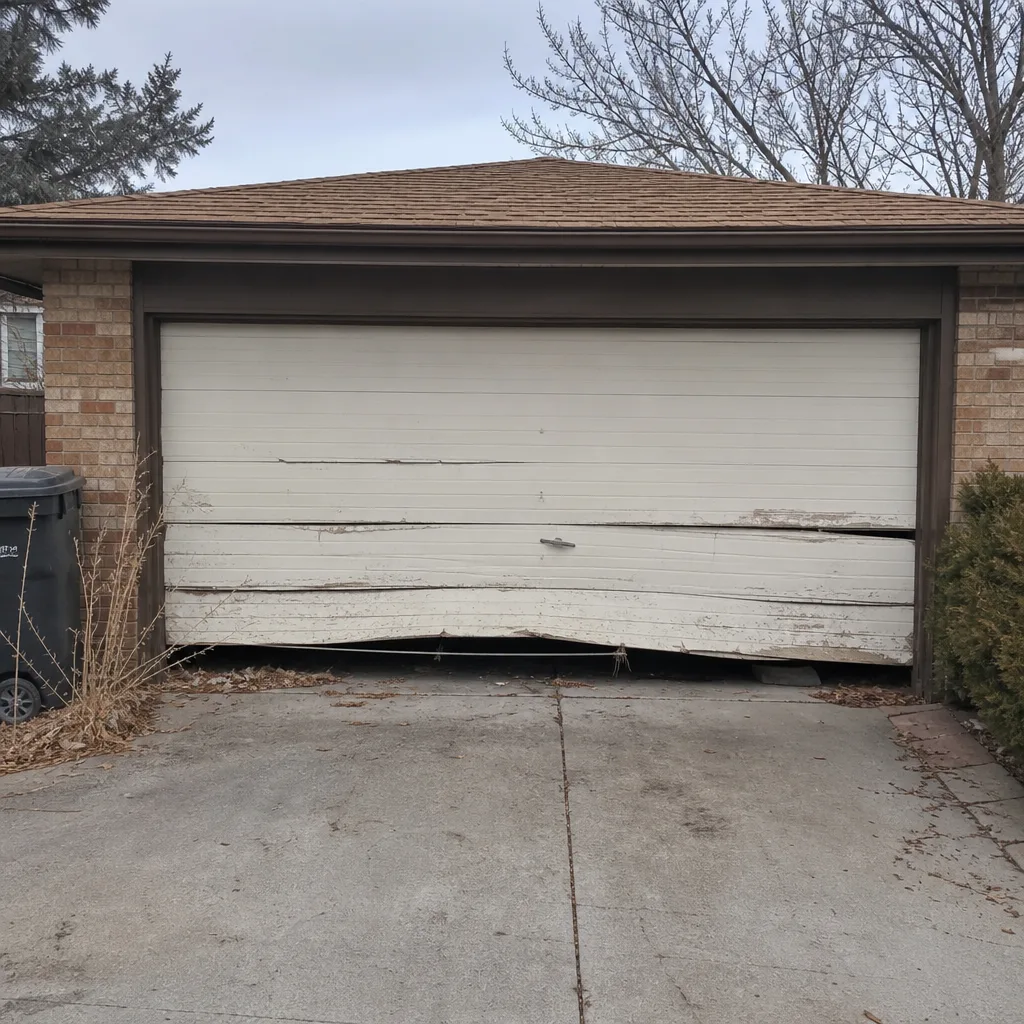 Before
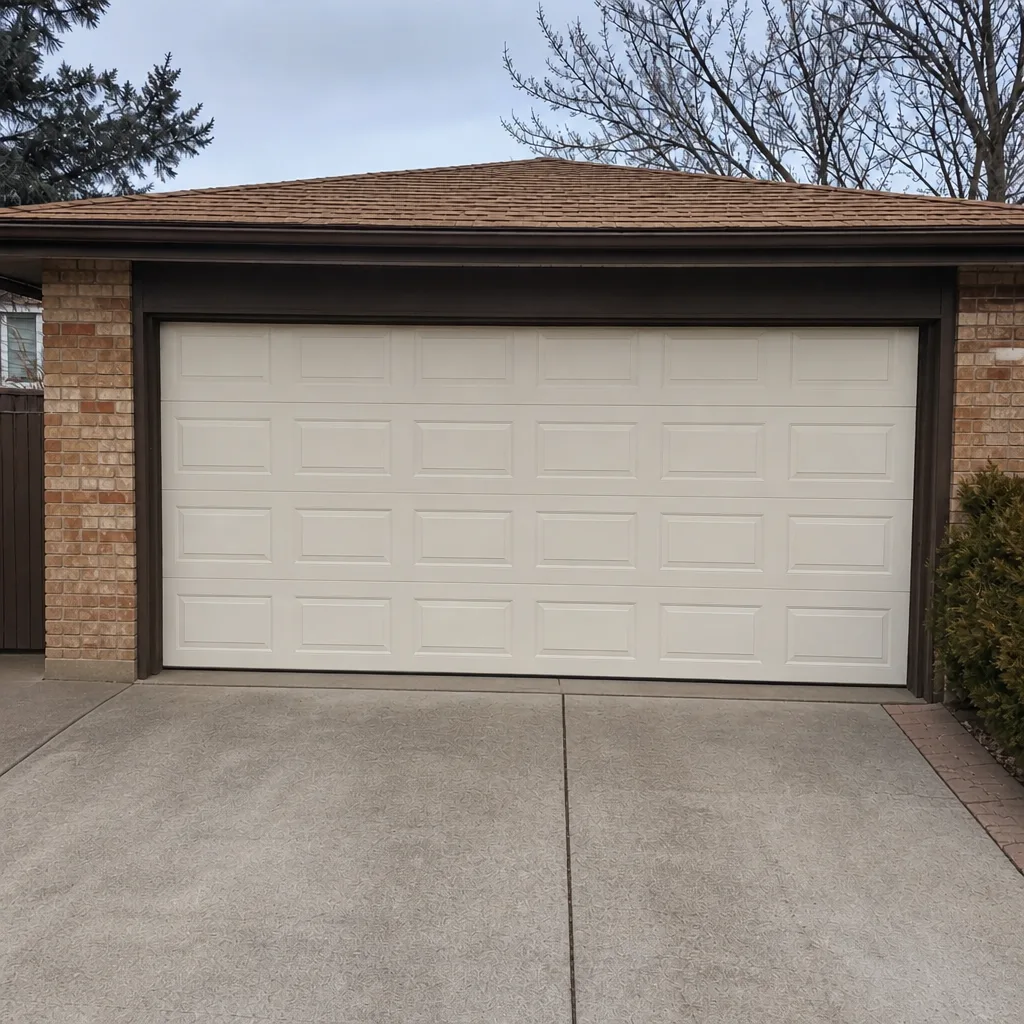 After
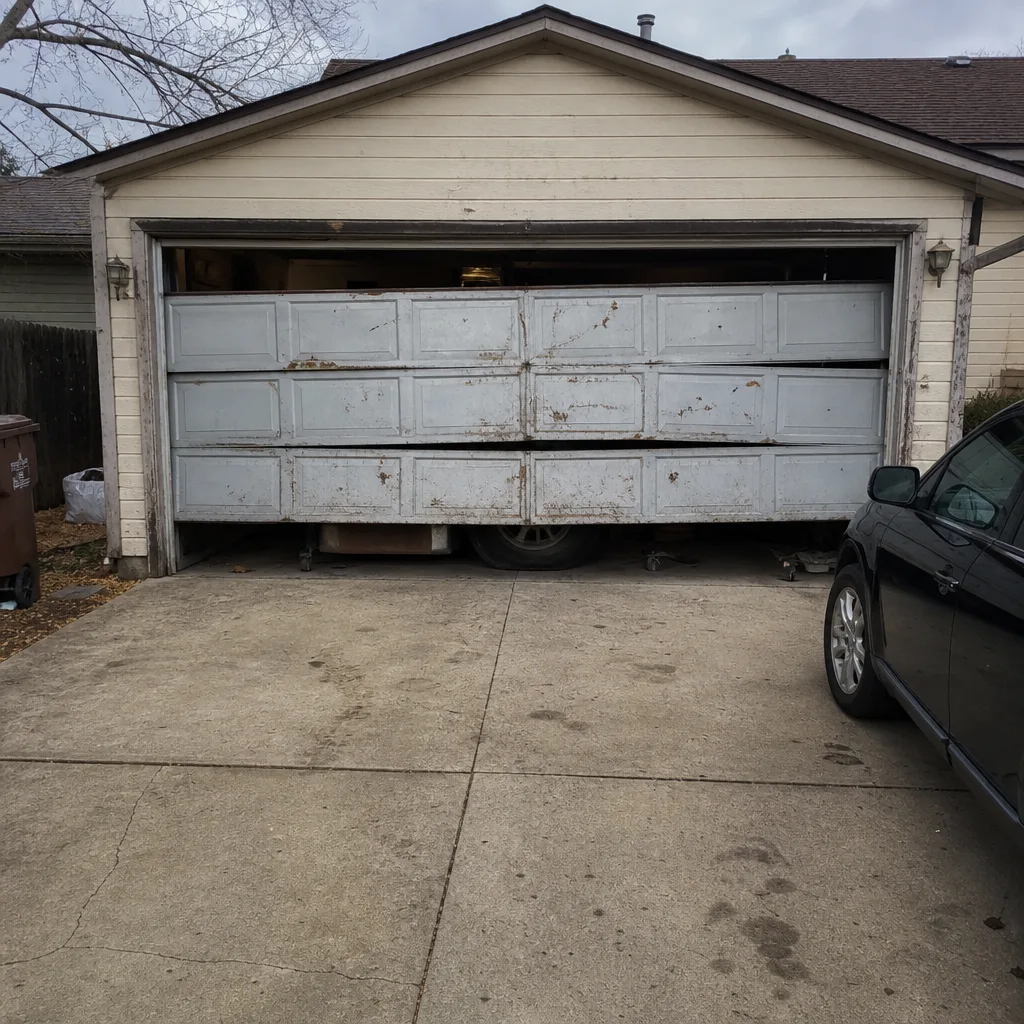 Before
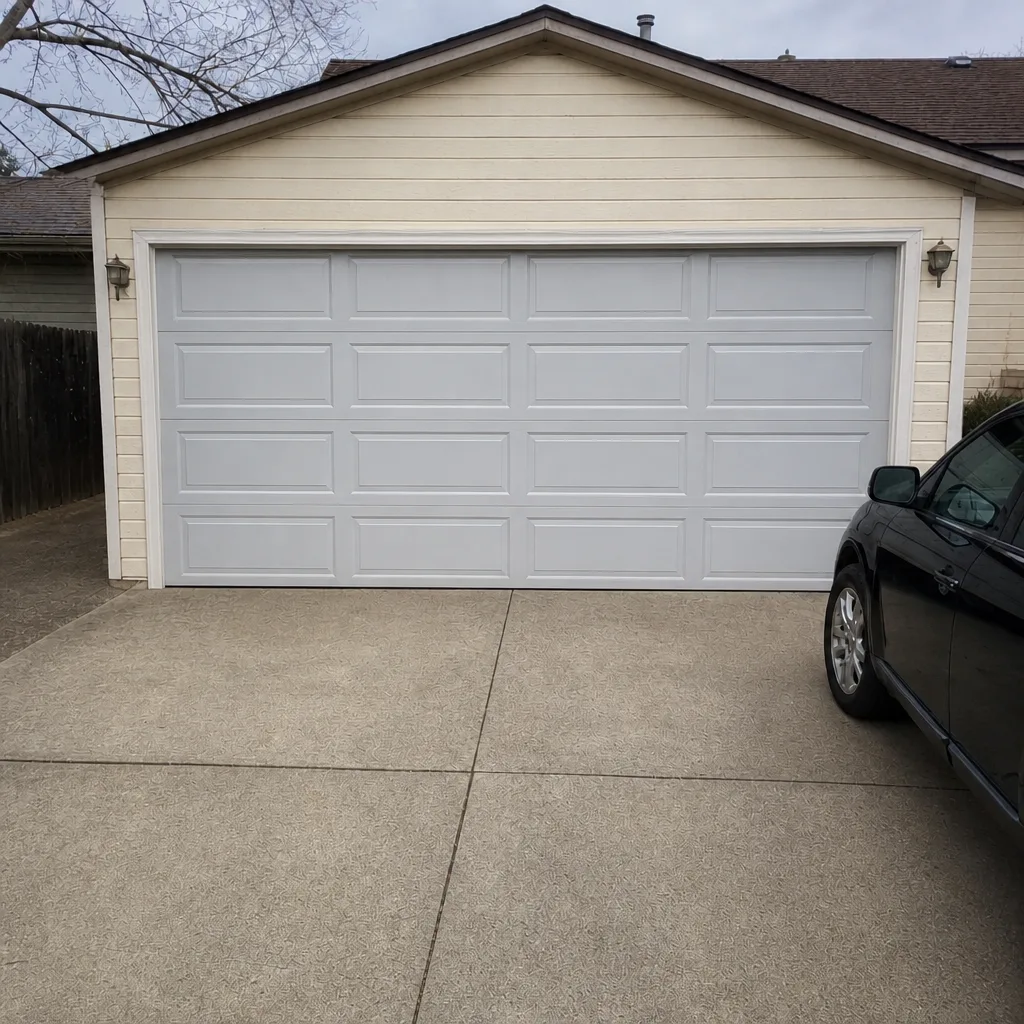 After
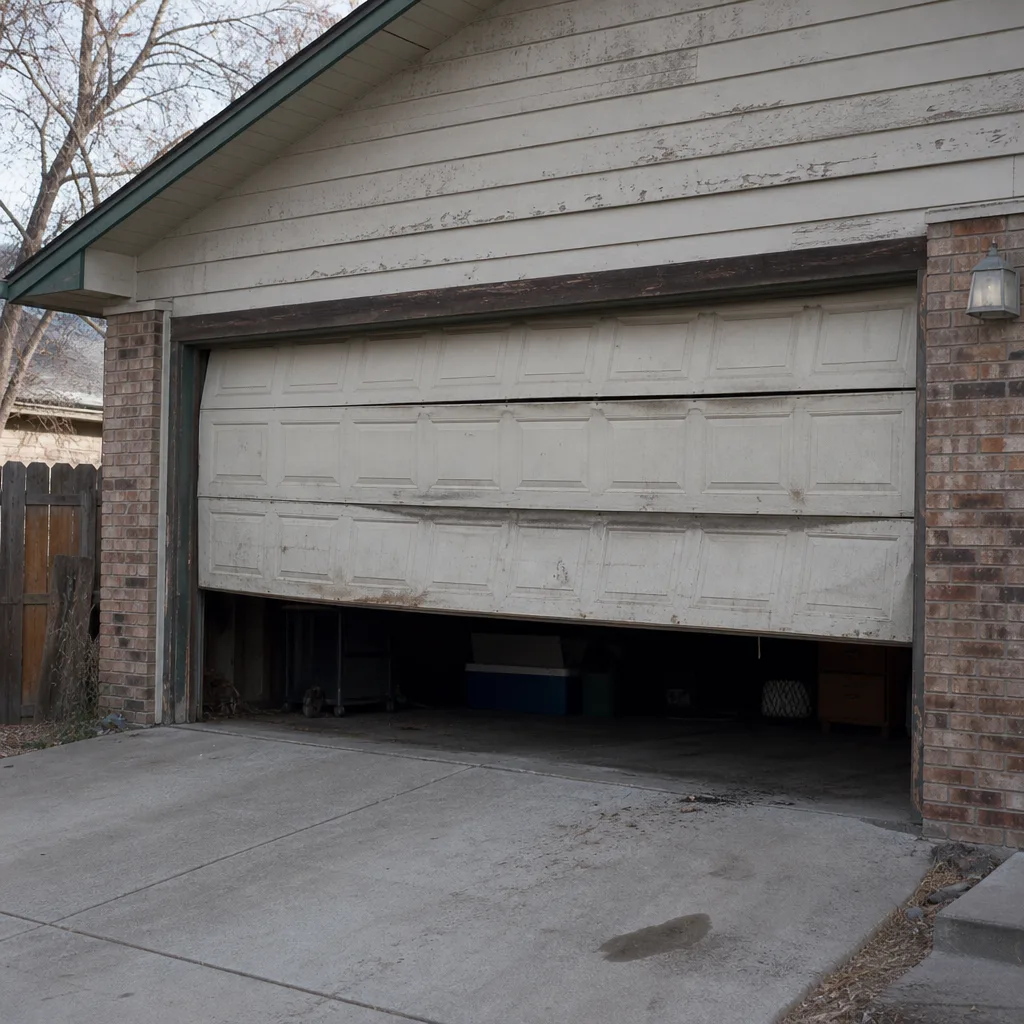 Before
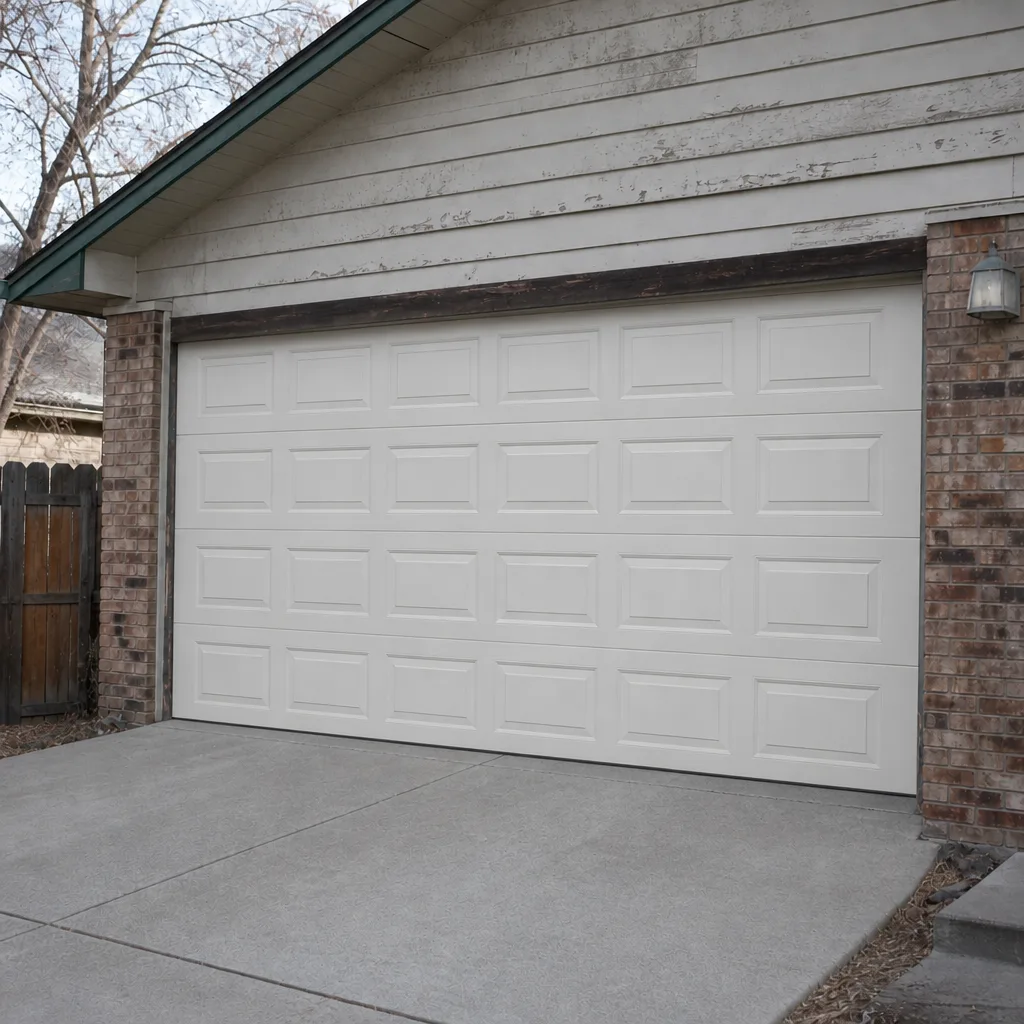 After
When to Call a Professional
Call a professional for anything involving the springs, the cables, or the torsion assembly – full stop. Call a professional if the balance test shows the door dropping or rising noticeably more than an inch or two, if you can see a frayed cable, if the door is stuck or half-open because a spring snapped, if the door moves unevenly or comes off one track, if the opener runs but the door doesn’t move, or if you have a door that’s over ten years old and you don’t know its spring history.
For most of those situations, we can send a technician fast dispatch 7am to 7pm, Sunday through Friday – and if it’s an emergency, we answer 24/7. Longmont Garage Door Repair Pros offers free estimates in Longmont. Call (888) 574-5680 to schedule an inspection or a repair, and we’ll tell you exactly what’s wrong and what it takes to fix it before any work starts.
Frequently Asked Questions
A garage door should get a professional inspection every 12 to 18 months or every 2,000 cycles, whichever comes first, with homeowner tasks like visual checks and lubrication done more often in between. In Longmont, the temperature swings make a post-winter inspection especially worthwhile, so you catch spring and seal wear before the next season.
No. Garage door springs are under extreme tension and can cause serious injury if handled incorrectly, even by someone who has watched a video. This is technician-only work. Call for help rather than attempting it yourself – it’s the single most dangerous repair on the whole door.
A maintenance visit includes spring tension check, cable and drum inspection, roller and hinge condition, track alignment, opener drive and gear check, and a full safety sensor test. It’s the work you can’t safely do yourself, and it gives you a clear picture of what’s likely to fail next.
Cold temperatures make metal contract and lubricant thicken, which can make the door feel heavier. It’s also the season springs tend to fail, because a weakened spring is more likely to give out when the temperature drops. If your door feels heavy before winter, run the balance test and schedule an inspection.
Most torsion springs are rated for around 10,000 cycles, and one cycle is a full open plus a full close. A household that opens the door 8 times a day will hit that rating in under four years, while a low-use household can get closer to ten years from the same spring. Cycle count, not calendar age, is what matters.
Repair usually makes sense if the panels and structure are sound and only the springs, rollers, or opener need work. Replacement makes more sense if the panels are damaged, the door is off its tracks repeatedly, or the repair cost approaches what a new door would cost. An inspection gives you the answer before you spend the money.
The Bottom Line
The right garage door maintenance schedule is smaller than most homeowners expect. You do four things – a monthly visual scan, a lubrication pass every six months or 500 cycles, a balance test every three months, and a winter seal check – and a technician does the rest every 12 to 18 months or 2,000 cycles. That’s it. The point isn’t to do more tasks; it’s to do these four at the right intervals so a small, visible problem never becomes a $400 emergency. In Longmont, pay extra attention after winter, when the temperature swings have done their work on springs and seals. If your balance test or inspection turns up anything that worries you, we’re here to look at it. Longmont Garage Door Repair Pros knows the brands in your neighborhood – including Genie, Wayne Dalton, and Clopay – and our technicians have up to 15 years of experience diagnosing what’s actually wrong. Call (888) 574-5680 for a free estimate. We answer 24/7, and fast dispatch runs 7am-7pm, Sunday through Friday.
Written by the team at Longmont Garage Door Repair Pros.