
Last updated November 22, 2026
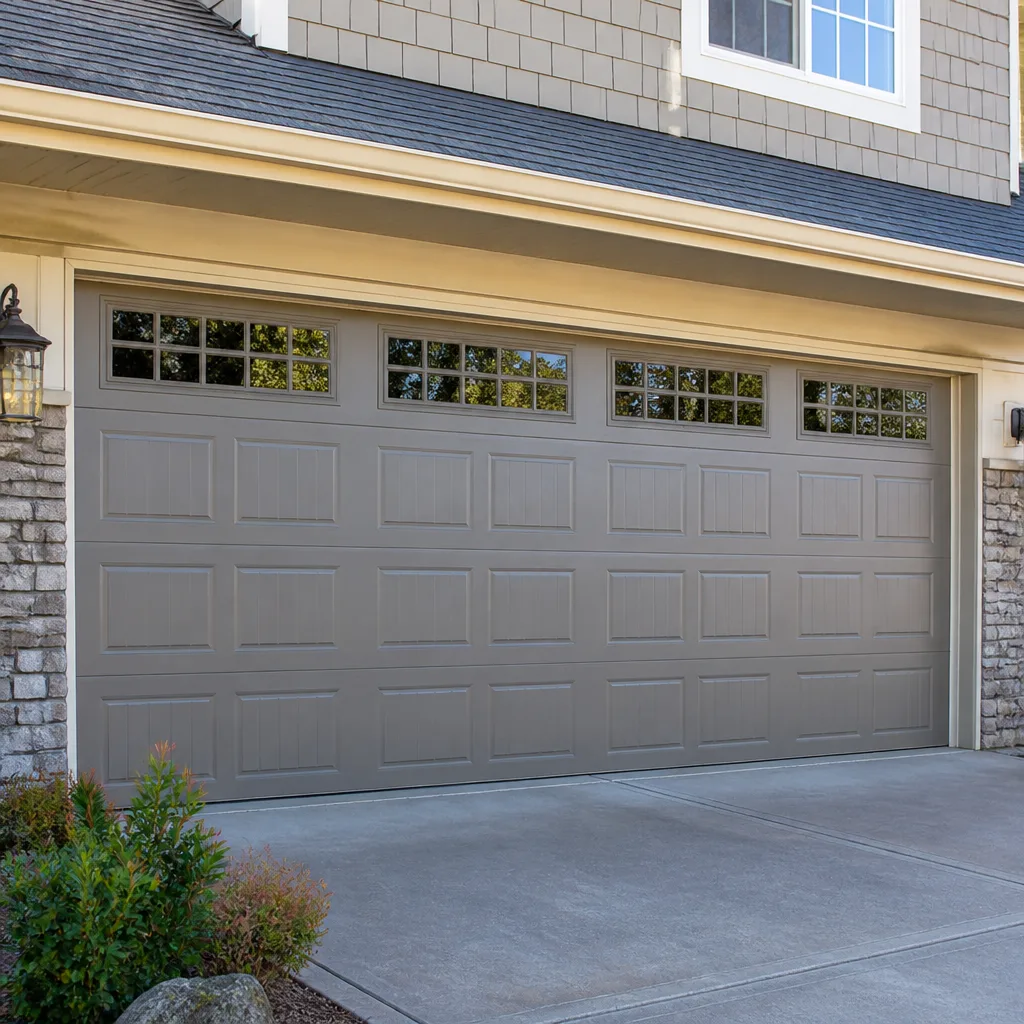 Raised-panel steel
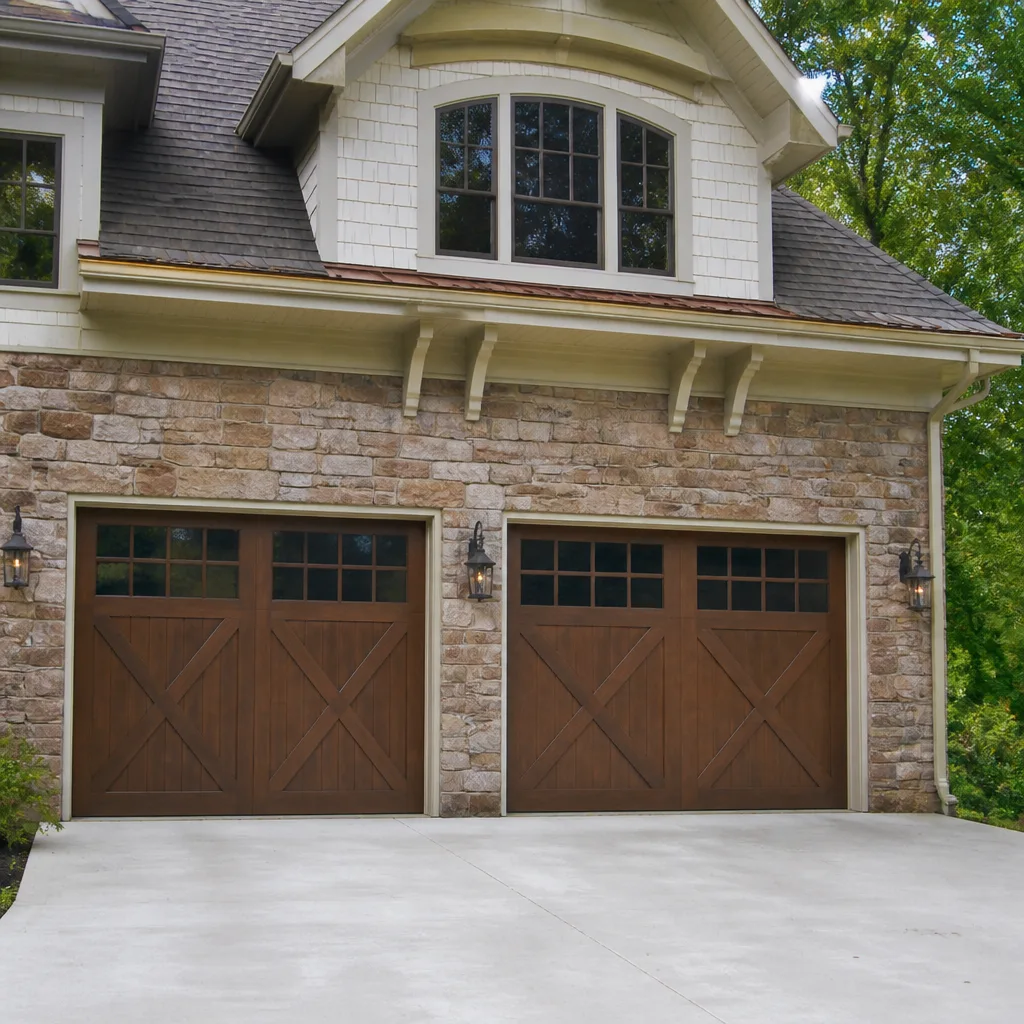 Carriage house
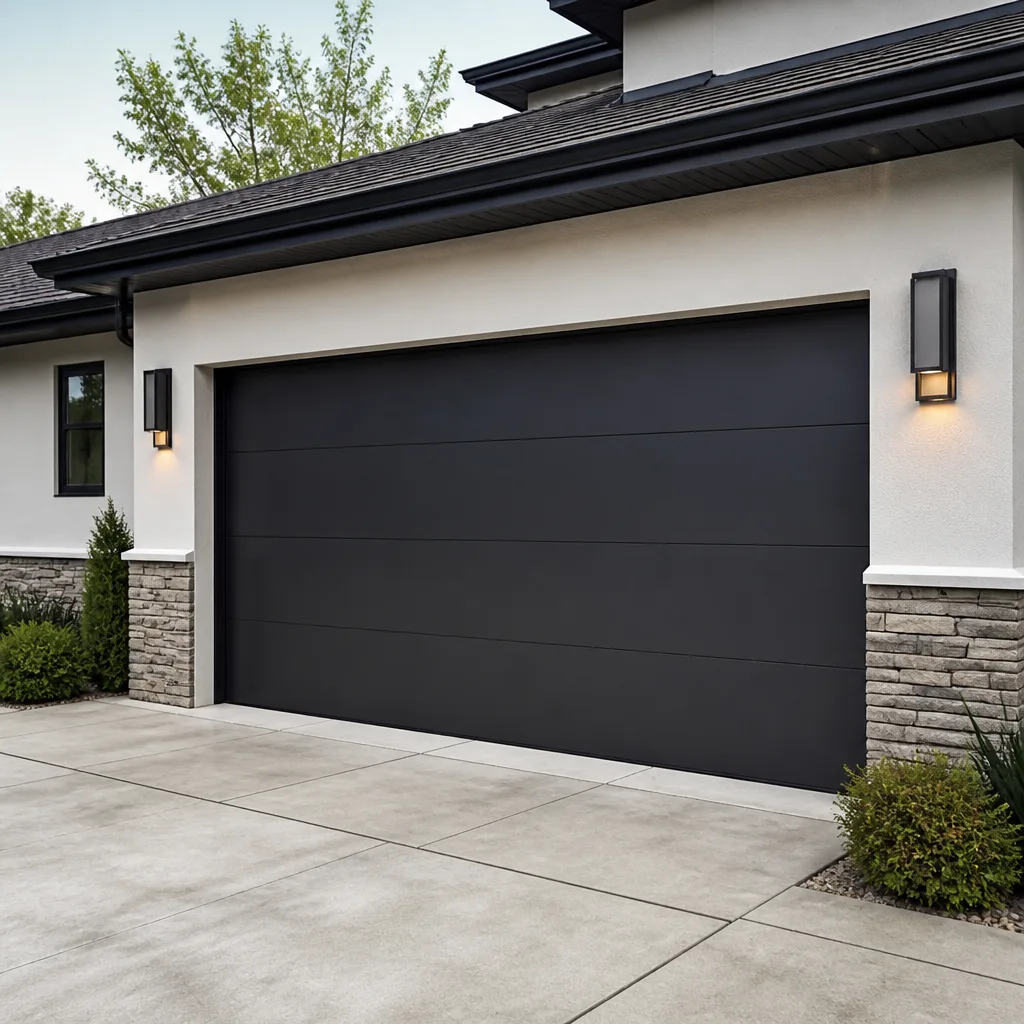 Modern flush
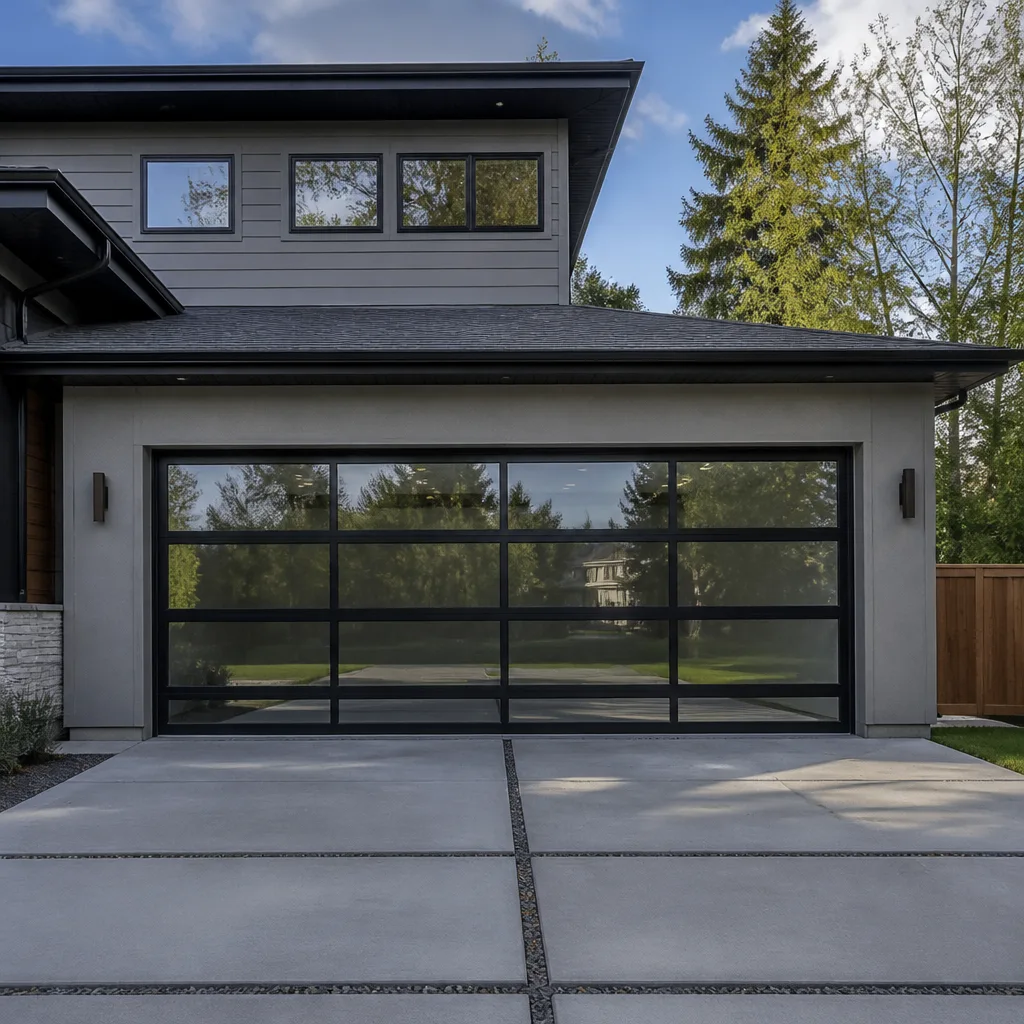 Full-view glass
 LiftMaster openers
 Chamberlain openers
Full 25-point door and opener safety check with every visit - springs, cables, rollers, tracks, and your LiftMaster or Chamberlain opener included
You get a price before we start. It does not change when the pro arrives.
Get your free estimateGarage Door Repair Maintenance Checklist for Longmont Homeowners
Most garage door failures in Longmont get blamed on bad luck. They’re usually not. The door that won’t open on a January morning after a single-digit night is the same door that went into November with dry hinge pins, a stiff bottom seal and an opener pushing harder than it should. Cold finds every weak point a door already has. That’s why we built this checklist around Longmont’s actual seasons instead of a generic manufacturer calendar you’ll find on every door panel in the country. You’ll get a pre-winter lubrication protocol, spring and seal checks you can do safely with your own eyes, opener tests with pass/fail criteria, and a log format you can print and keep.
Quick Answer
A garage door maintenance checklist for Longmont homes should be timed to the local climate, not a generic national schedule: lubricate hinges, rollers, tracks and springs in October before the first hard freeze, inspect weatherstripping and the bottom seal after every freeze-thaw stretch, and test the opener’s auto-reverse and force limits twice a year. Springs, cables and anything under tension are visual-check-only for a homeowner. Everything else on this list you can do yourself with a quart of low-temperature grease, a rag and twenty minutes.
Styles & brands we work with
- Raised-panel steel
- Carriage house
- Modern flush
- Full-view glass
- LiftMaster openers
- Chamberlain openers
Table of Contents
- Why Timing Beats a Generic Calendar
- The October Pre-Winter Lubrication Protocol
- Safe Spring Inspection: What You Can See and What You Can’t
- Weatherstripping and Bottom Seals in a Freeze-Thaw Climate
- Opener Force-Limit and Auto-Reverse Tests With Pass/Fail Criteria
- Hardware, Tracks and Rollers
- The Printable Task-and-Date Log
- Common Mistakes to Avoid
- When to Call a Professional
- Frequently Asked Questions
Why Timing Beats a Generic Calendar
A checklist you download from a door manufacturer is written for a climate that doesn’t exist anywhere in particular. Longmont isn’t that place. Our winters bring repeated swings from mild afternoons to hard overnight freezes, and the foothills just west of town mean cold air drains down into the neighborhoods along the St. Vrain at night while the flats east of Main Street stay a few degrees warmer. Your door feels all of it.
Most of the damage we diagnose in January and February was set up weeks earlier. Metal contracts, grease thickens, rubber seals harden, and wood or steel panels move a fraction. A garage door is a balanced mechanical system, so a small change anywhere in it loads a different part. Rollers that ran free in September drag in December. A bottom seal that sat flat in summer lifts at one corner once the concrete apron heaves a quarter inch.
Two dates matter more than all the rest:
- October: the month to lubricate moving parts and adjust anything loose before the first hard freeze locks in the season’s wear.
- March and April: the month to check the bottom seal and weatherstripping, because a freeze-thaw cycle moves concrete and lets moisture in at the same spots every spring.
Everything in between is checks, not fixes. Run this checklist on that rhythm and most of what we get called out to repair never gets the chance to fail. For the jobs that still do, our garage door repair covers springs, cables, panels and tracks on any door we’re equipped to service. We answer 24/7, with fast dispatch from 7am to 7pm, Sunday through Friday.
The October Pre-Winter Lubrication Protocol
Lubrication is the highest-value, lowest-effort task on this checklist, and it’s the one most homeowners either skip entirely or do wrong. The mistake is using whatever’s in the garage. In Longmont, a general-purpose grease or a heavy oil that’s fine in July turns into a thick paste on a 15°F morning. Rollers stop spinning and start sliding, hinges creak, and the opener works harder to force the door up. That’s the strain that shortens spring and opener life.
Use a low-viscosity, cold-rated garage door lubricant, typically labeled for low-temperature use. Grease intended for warm climates defeats the purpose here.
What to Lubricate, In Order
- Rollers. A few drops on the stem of each roller, not the wheel. Don’t flood them; excess attracts grit that turns into grinding paste.
- Hinge pivots. One small shot at each hinge joint, top to bottom, on both sides of the door.
- Springs (visual only, no tools). Wipe the coils with a lightly oiled rag. You’re not disassembling or adjusting anything. See the spring section below for why this is where hands stay off.
- Bearing plates. A drop at the center bearing plates and the end plates where the torsion shaft turns.
- Track curves. Wipe the curved section of each track, not the straight run. Rollers contact the curve under load; the straight away doesn’t need lubrication and only collects dirt.
- Opener rail and chain. A light application on the chain or rail, following the opener manufacturer’s instruction for your model.
Now cycle the door a few times and listen. Smooth, quiet motion means the job’s done. Grinding, popping or a door that hesitates at one point means something else is going on and the check in the next section applies. If your opener is a LiftMaster or a Chamberlain system, the app-side diagnostics can tell you whether the motor is straining more than usual, which is worth checking after your first cold snap. Opener trouble of any kind is a job for garage door opener repair, and we work on both of those platforms alongside older Craftsman and Wayne Dalton units.
Safe Spring Inspection: What You Can See and What You Can’t
We’ll be direct about this because a checklist that invites you to touch springs is a bad checklist. Garage door springs hold hundreds of pounds of stored energy, and when a torsion spring fails it releases that energy instantly with no warning. Cables are under the same tension and can whip if they slip. This is the one part of the door where the homeowner’s job ends at looking.
What you can safely do, standing at a normal distance with the door closed and the opener disconnected only if you already know how to do that safely, is a visual survey. Here’s what to look for and what each sign means:
- Evenly spaced coils. A torsion spring should have a consistent gap between each coil. A gap that’s wider at one end than the other is a sign the spring is fatigued and can’t be trusted to hold.
- No rust streaks or discoloration. Rust on a spring is where it tends to fail first. A crusty spring is a candidate for replacement before it snaps.
- Straight, evenly wound extension springs, if that’s what your door uses. Any spring that’s stretched visibly longer than its neighbor or missing its safety containment is a stop-and-call situation.
- A clean gap under the door. A door that hangs crooked when closed can mean one spring is weak and the other is carrying the load.
- Sound. A loud bang from the garage that you can’t explain is a spring failure even if the door looks fine. Don’t test it by opening it.
The Signs That Require a Technician
Call the moment you see any of these: a visible break or gap in a coil, a tangled cable, a door that opens a foot and stops, a door that won’t stay up when you raise it by hand, or a torsion shaft with a spring that’s obviously uncoiled. Don’t force the opener to lift a door with a broken spring. It will make the problem more expensive.
Spring failure is the most common serious garage door call we handle in Longmont, and it’s most common in exactly the months our nights drop below freezing. Springs are a safety issue, not just a repair. If yours has failed or looks tired, don’t wait for the failure to finish the argument. Spring and cable work isn’t a homeowner job, and we don’t publish a how-to-pry-the-safety-pin-out guide because there’s no safe version of it. What we do offer is a technician who diagnoses the actual make and model of your door and replaces the spring in a way that leaves the balance right for the door that’s above it. We answer 24/7. Call (888) 574-5680 and we’ll book the next opening Sunday through Friday, 7am to 7pm.
Weatherstripping and Bottom Seals in a Freeze-Thaw Climate
Longmont’s freeze-thaw cycle is hard on door seals in a way a mild-winter city never sees. Concrete garage aprons move with the freeze and thaw, and when they do, the bottom seal lifts, compresses or tears. Water gets under the door, freezes, and cracks the apron further. The same freeze-thaw pattern hardens rubber side seals until they crack and stop sealing.
What makes it worse is that a bottom seal failure pattern is specific to where your apron sits. A south-facing driveway that melts fast and refreezes at night produces much more movement than a shaded one. That’s why none of this can be checked on a flat fee of “once a year”.
What a Bottom Seal Tell-You Check Looks Like
- Look at the contact pattern. After the door has been closed a while, look at where the seal meets the apron. A consistent line across the width is good. Gaps at one end, gaps in the middle, or light you can see under the door mean the seal is failing.
- Look for cracking. A bottom seal that’s stiff and cracked should be replaced before winter. Any seal that leaves a gap lets cold air and water in.
- Check the side weatherstripping. Push gently on the side seals. A seal that springs back is fine. A seal that’s brittle, torn or missing chunks needs replacing.
- Check the top seal if your door has one. On a standard single-panel or multi-panel door, the top seal keeps debris and cold air out of the mechanism.
Seals are one of the few parts on a garage door that are genuinely worth replacing before they fail completely. A working seal keeps the moisture out, and keeping moisture out preserves the door panel. If your seal has deviated from the apron across enough of the width to let light in, that’s your sign. And if you’re weighing a repair against a replacement, garage door installation is where we put a new door, opener and seal on a job that’s measured and priced before anything is ordered.
Opener Force-Limit and Auto-Reverse Tests With Pass/Fail Criteria
These two tests are the ones homeowners most often think they’ve done but haven’t, because every manufacturer says “test the safety reverse” without defining a pass. Here’s the version with actual pass/fail lines. Do this twice a year: October and again in spring.
Auto-Reverse (Safety Reverse) Test
- Pass: With the door open, place a piece of 2×4 or a similar rigid object flat on the floor under the door. Press to close. The door should reverse within about two seconds of contacting the object and return fully open. The door should not stall, bounce or close on the object.
- Fail: The door contacts the object and stops without reversing, reverses only after holding the wall button, or continues to close. A fail here is a stop-and-call. Don’t use the door until it’s fixed.
- Photo-eye test: With the door closing, pass something across the beam of the photo eyes a few inches above the floor. The door should reverse immediately. A door that doesn’t reverse when the beam is broken has a safety failure.
Force-Limit (Pressure) Test
- Pass: Close the door by hand about halfway, then let it go. A properly balanced door should move slowly and settle, not drop. A door that slams or races down is over-strong. A door that holds itself up well past halfway is too weak.
- Fail: The door closes on your hand or arm without reversing as you press against it. Force limits being too high is what turns a small obstruction into an injury.
If either test fails, the fix could be an opener setting, a worn spring, a bound track or a failing motor. On a LiftMaster or Chamberlain system, the adjustment procedure is in the manual for that specific model, and getting it right matters. Don’t dial the force up to push past a dragging door. That masks the real problem. If your opener fails a test and the cause isn’t obvious, that’s real territory for garage door opener repair, and we’d rather you call than guess.
Hardware, Tracks and Rollers
Everything that isn’t a spring, a seal or a motor belongs here. This is the part of the checklist you can actually fix yourself, and the part where small neglect adds up fast.
- Tracks. Wipe the inside of the track clean with a dry rag. Don’t grease the track. A greased track turns into a dirt magnet that wears rollers out. Check that the track is vertical on each side and that the space between the track and the door is even top to bottom. A dented or bent track is a technician job.
- Rollers. Spin each roller by hand with the door open. A roller that wobbles, grinds or won’t spin smoothly needs replacing. Worn Nylon rollers, common on newer doors, get flat spots that get worse in the cold.
- Hinges. Look for loose screws. Tighten them, but don’t torque past snug on a hollow panel. Loose hinges are the usual source of a rattle you can’t place.
- Cables (visual only). Check that cables are straight and wound cleanly on the drums. A frayed cable or one that’s come off a drum is not a homeowner fix. That’s under tension and it’s a call.
- Panels. Look for cracks, dents or rust along the bottom edge, where moisture collects. On older Wayne Dalton and Craftsman-installed doors, a rusted bottom panel is often the first sign the door itself is nearing the end of its life. If the rest of the door checks out, that can be a repair.
Our technicians have up to 15 years of experience diagnosing exactly this mix of small hardware issues on the eight major brands in residential use. A loose hinge is a five-minute fix on this checklist. Twenty loose hinges are an emergency call in February.
The Printable Task-and-Date Log
Here’s the part almost nobody does, and it’s the part that pays off later. Keep a written log. A warranty claim, a home inspection or a sale of the house can all turn on whether you can show a maintained door. A printed log on the inside of the garage wall takes ten seconds per entry and answers the question before anyone asks it.
Suggested Log Format
Print a simple sheet with six columns and pin it beside the wall button:
- Date
- Task (lubrication, seal check, spring visual, opener test, hardware tighten, other)
- Result (pass / fixed / call needed)
- Part or brand (LiftMaster, Chamberlain, Wayne Dalton, Raynor, etc., if applicable)
- Notes (grinding, gap under door, force test fail)
- Next due (October or March for the seasonal tasks)
The four seasonal entries to put on the sheet as recurring rows:
- October: pre-winter lubrication. All six steps above.
- October: opener force and reverse tests. Pass/fail recorded.
- March: bottom seal and weatherstripping. Check the contact pattern across the full width.
- March: hardware and roller inspection. Rollers, hinges, track straightness.
Fill in the actual date each time. If a technician ever replaces a part, add the brand and model of the part. A log with a Wayne Dalton panel replacement on it tells future you a lot. A log that says “spring failed, replaced” with a date beside it answers the question of how long the current spring is likely to last.
See the difference
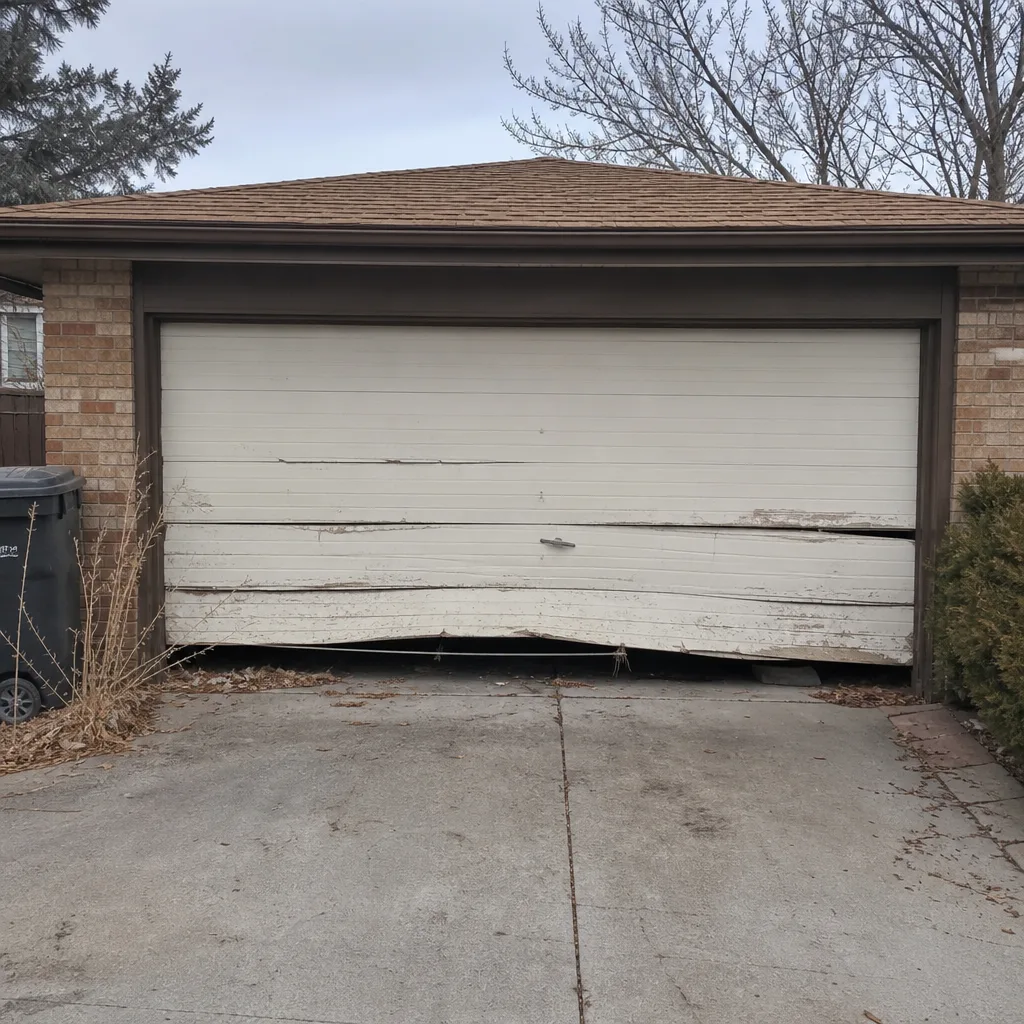 Before
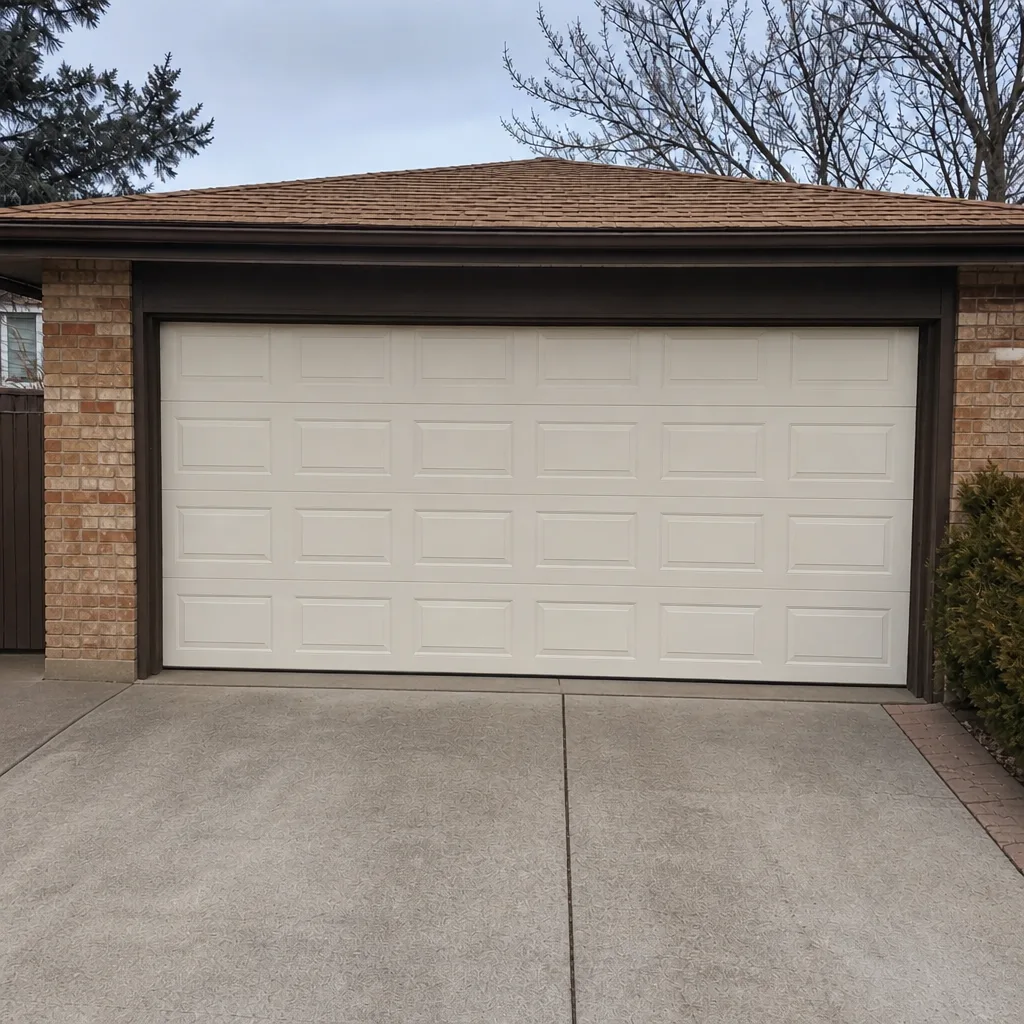 After
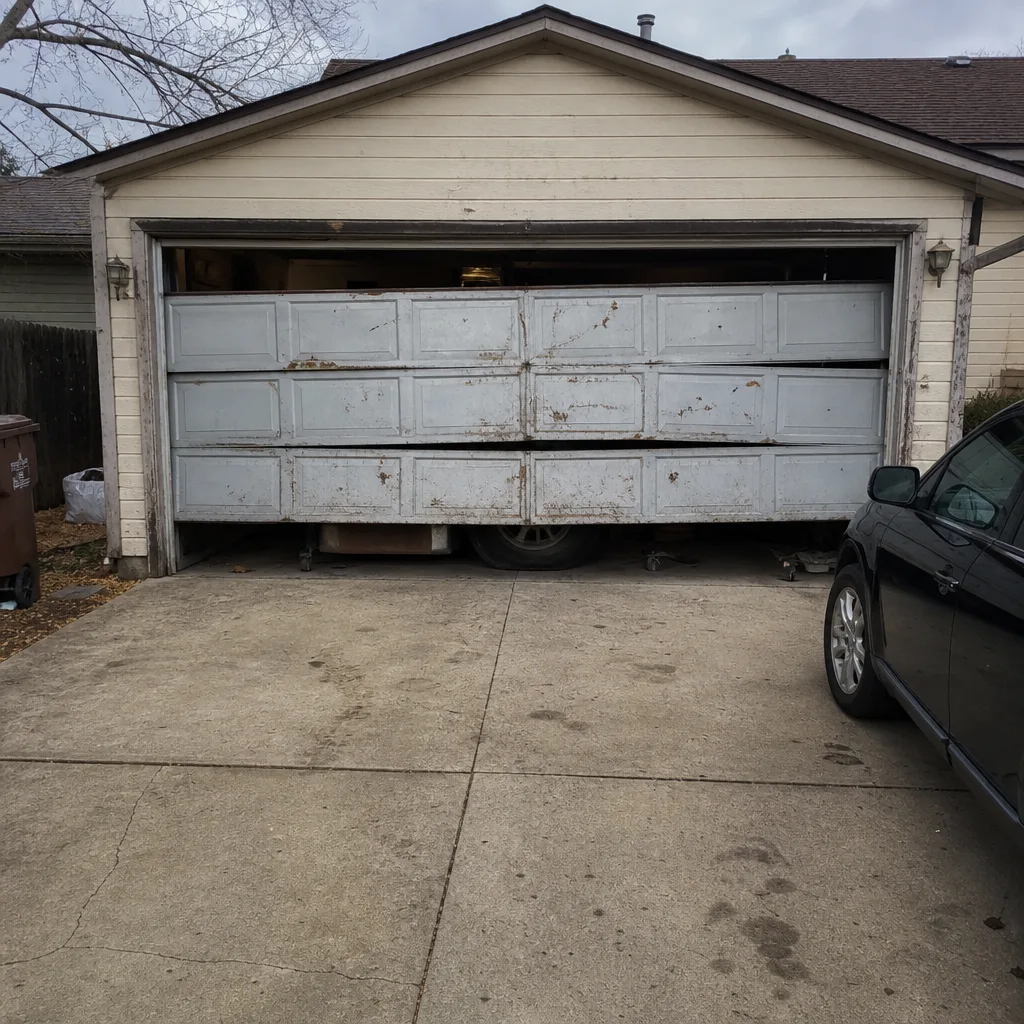 Before
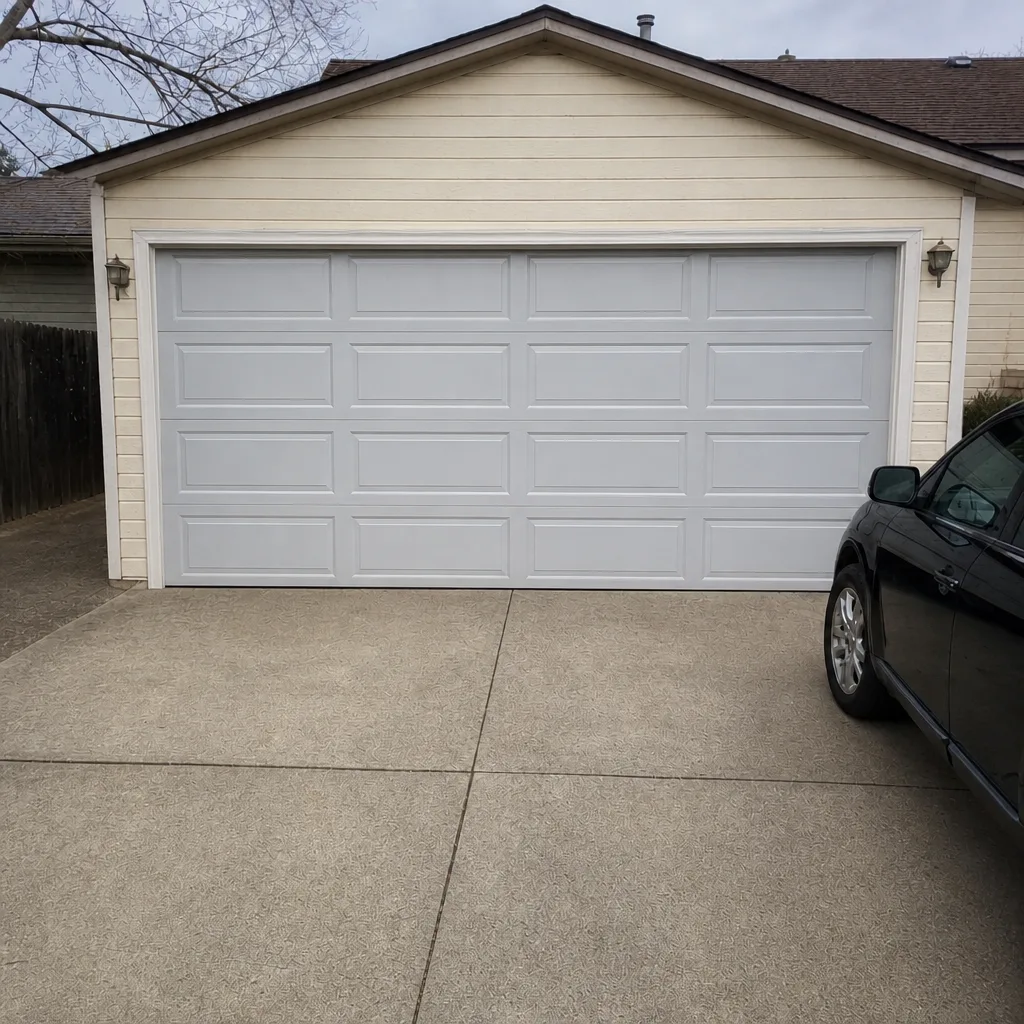 After
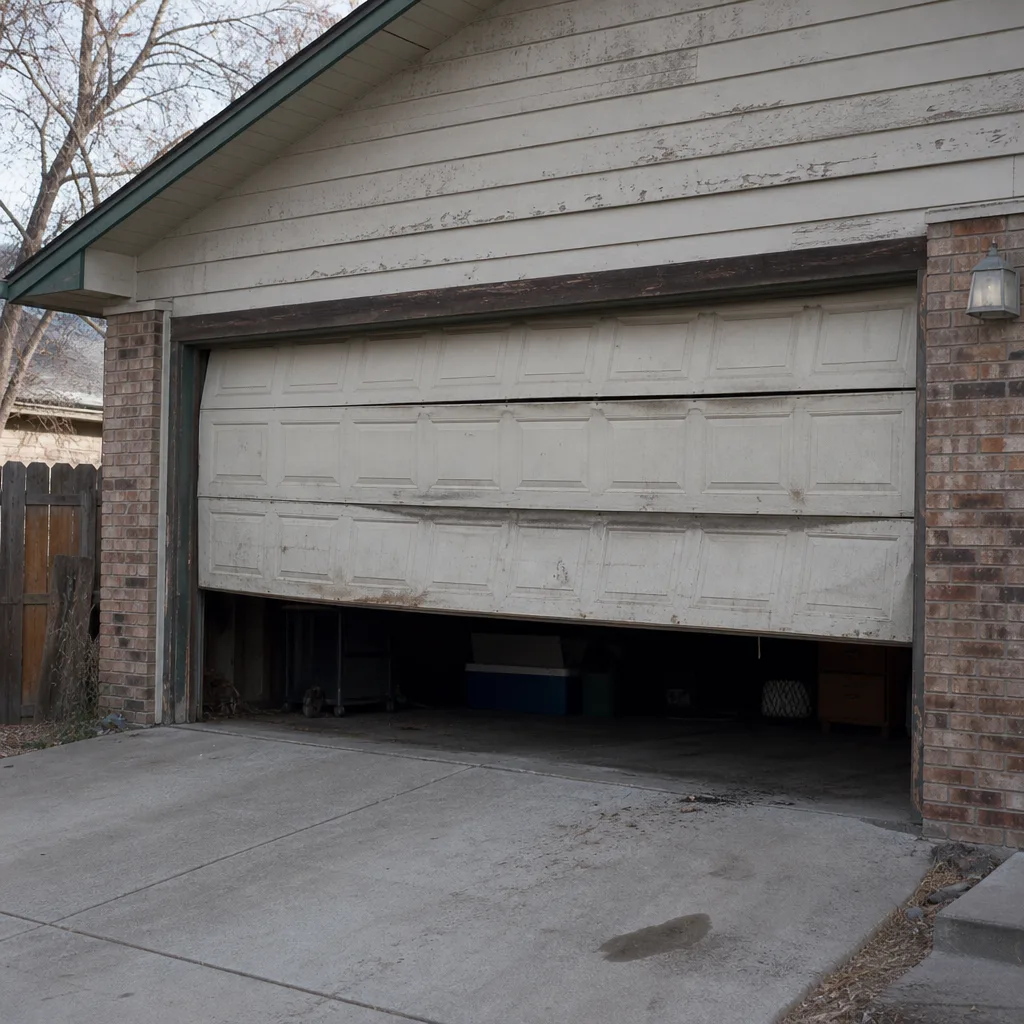 Before
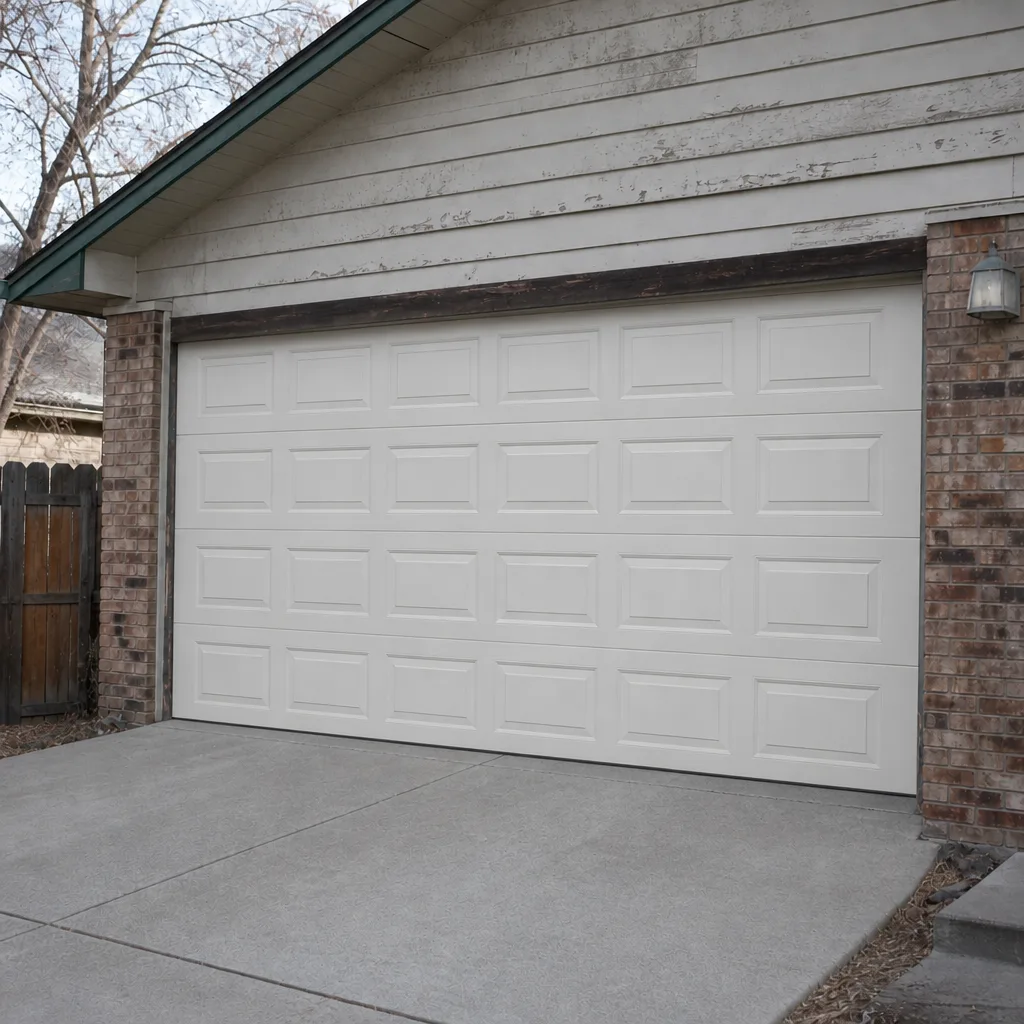 After
Common Mistakes to Avoid
- Using grease that thickens in the cold. A warm-weather grease on your rollers turns into a stiff paste at 15°F and drags on the opener. Use a cold-rated lubricant before October, not after your first stuck door.
- Greasing the tracks. It’s the most common bad tip on the internet. The track is meant to run dry. Grease collects grit and accelerates roller wear, so keep it clean and dry.
- Turning the force limit up to fix a dragging door. Raising the force limit to push past a binding door hides a real problem and turns a small obstruction into a safety failure. Fix the binding, not the limit.
- Touching the springs. Never adjust a spring, pry a safety pin, or wrench a cable under tension. Stored energy in a spring can release without warning. Visual inspection is where a homeowner’s job ends.
- Ignoring the bottom seal until it’s torn. A seal that’s begun to lift at a corner after a freeze-thaw cycle lets water under the door. By the time it’s fully torn, the apron and the bottom panel are often damaged too.
- Skipping the March check because the door worked all winter. The March check is where you catch the freeze-thaw damage before it compounds into a bigger repair in the fall.
- Not keeping a log. Without a record, you can’t demonstrate a maintained door at a warranty claim or a home inspection. A printed sheet costs nothing and takes seconds to fill in.
When to Call a Professional
Some problems are homeowner-fixable. Some aren’t, and guessing wrong is expensive. Call in these cases: a visible break or gap in a spring, any failed auto-reverse or force test you can’t fix with a manual-setting adjustment, a frayed or off-drum cable, a door that binds, jerks or hangs crooked when closed, a dented or bent track, an opener that travels only partway, or a panel that’s cracked or dropped. Treat any of those as a same-day call because a forced opener on a bad door tends to make it worse. For anything that creates an immediate security or safety issue, such as a door that won’t close at night or one jammed partway open, emergency garage door service is available. Longmont Garage Door Repair Pros offers free estimates in Longmont. Call (888) 574-5680 and we’ll book the next opening, Sunday through Friday, 7am to 7pm. We answer 24/7. We work on your brand, from opener to panel to spring, so you’re not handed off to a second contractor. And the written estimate is agreed before any work begins.
Frequently Asked Questions
Twice a year on the two dates that matter here: October, before the first hard freeze, and March, after the last one. October is for lubrication and the opener tests; March is for the bottom seal, weatherstripping and hardware. Between those, a quick visual check after any storm that brought heavy wind or a deep temperature swing covers the rest. Call (888) 574-5680 for a full inspection if you’re unsure when yours was last done. Estimates are free.
You can wipe the coils with a lightly oiled rag, and that’s the limit. You cannot safely adjust, unwind or remove a spring, because the stored tension is released without warning when something goes wrong. Anything beyond a visual check of coil spacing, rust and sound is a technician job. Springs are a safety issue, not a repair. Call (888) 574-5680 if a spring looks fatigued.
A tune-up is the checklist done with the right tools and a trained eye: lubrication of rollers and hinges, track straightness, roller condition, hinge tightness, opener force and reverse tests, seal condition, and a visual survey of springs and cables. The point of a tune-up is catching the small faults before they become a same-day emergency. Call (888) 574-5680 to book one. Estimates are free.
If you can see daylight under the closed door along more than a short stretch, or the bottom seal is stiff, cracked or torn, replace it. In Longmont the freeze-thaw cycle on the concrete apron is the usual cause of a lifted seal at a corner or in the middle. Seals are cheap and they protect the bottom panel. Call (888) 574-5680 if you’re not sure what you’re looking at. Estimates are free.
Yes. A dated log is the simplest documentation that the door was maintained, and it gives an inspector or a buyer a clear history instead of a question mark. It takes seconds per entry and costs nothing. Keep the sheet beside the wall button with the task type, the date and the result recorded. Call (888) 574-5680 if a buyer’s inspector flags something and you want it looked at.
Yes, and a technician should be able to say so on the phone. We’re equipped to service eight major residential brands, including LiftMaster, Chamberlain, Genie, Clopay, Amarr, Wayne Dalton, Craftsman and Raynor, which means we diagnose the actual make and model. A LiftMaster’s force-limit behavior and a Raynor’s spring setup aren’t the same, and the fix isn’t either. Call (888) 574-5680 so we can book the right technician. Estimates are free.
The Bottom Line
Most garage door failures in Longmont aren’t surprises. They’re tasks that got skipped in October, caught up with a door in January. Follow this checklist on its two real dates, October and March, and you’ll catch the lion’s share of problems while they’re still a lubricant or a seal. Keep the springs and cables in the visual-only column and call the moment something in that column looks tired. Everything beyond a tune-up, from a snapped spring to a door that needs replacing, is one call for us. Longmont Garage Door Repair Pros handles repair, opener repair, spring repair, installation and emergency service without the hand-off to a second contractor. We answer 24/7, and 7am-7pm dispatch runs Sunday through Friday. Call (888) 574-5680 for a free estimate, and get the price in writing before a technician starts.
Written by the team at Longmont Garage Door Repair Pros.