
Last updated November 22, 2026
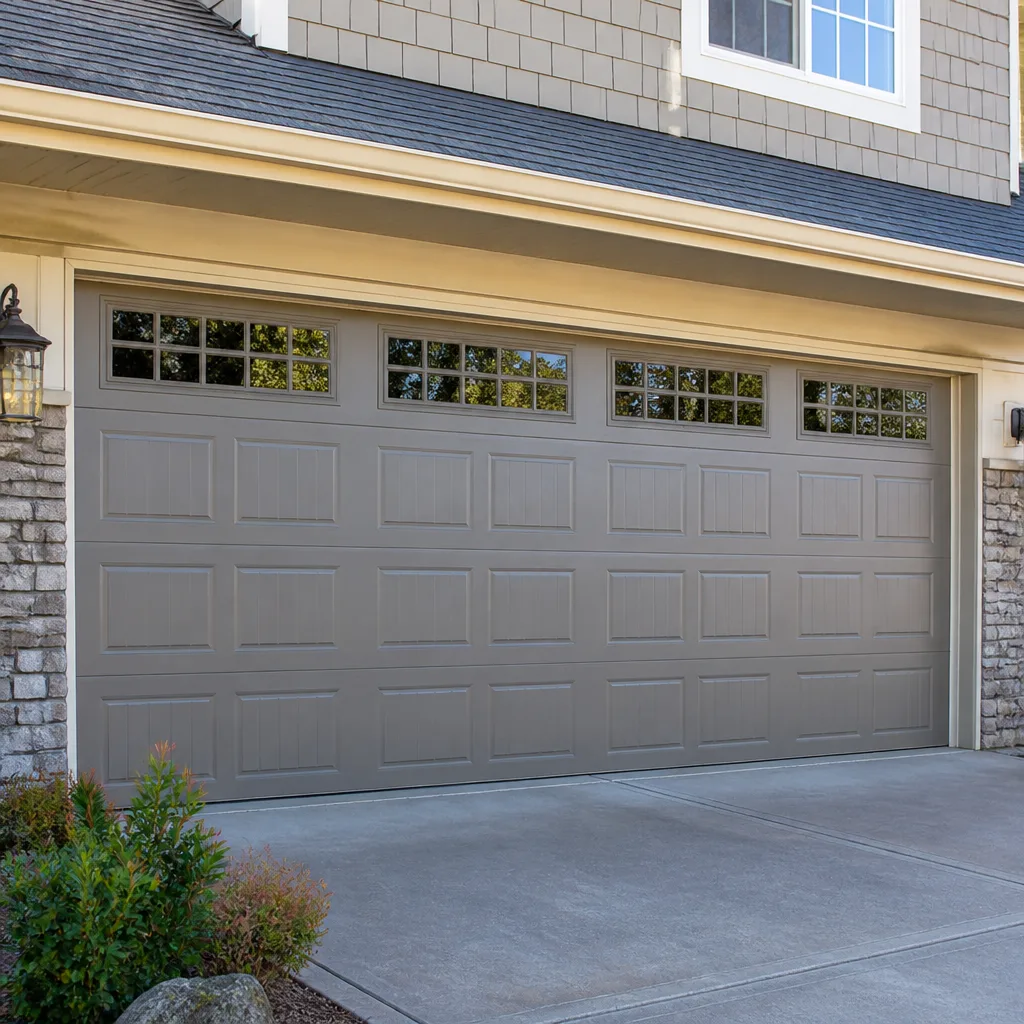 Raised-panel steel
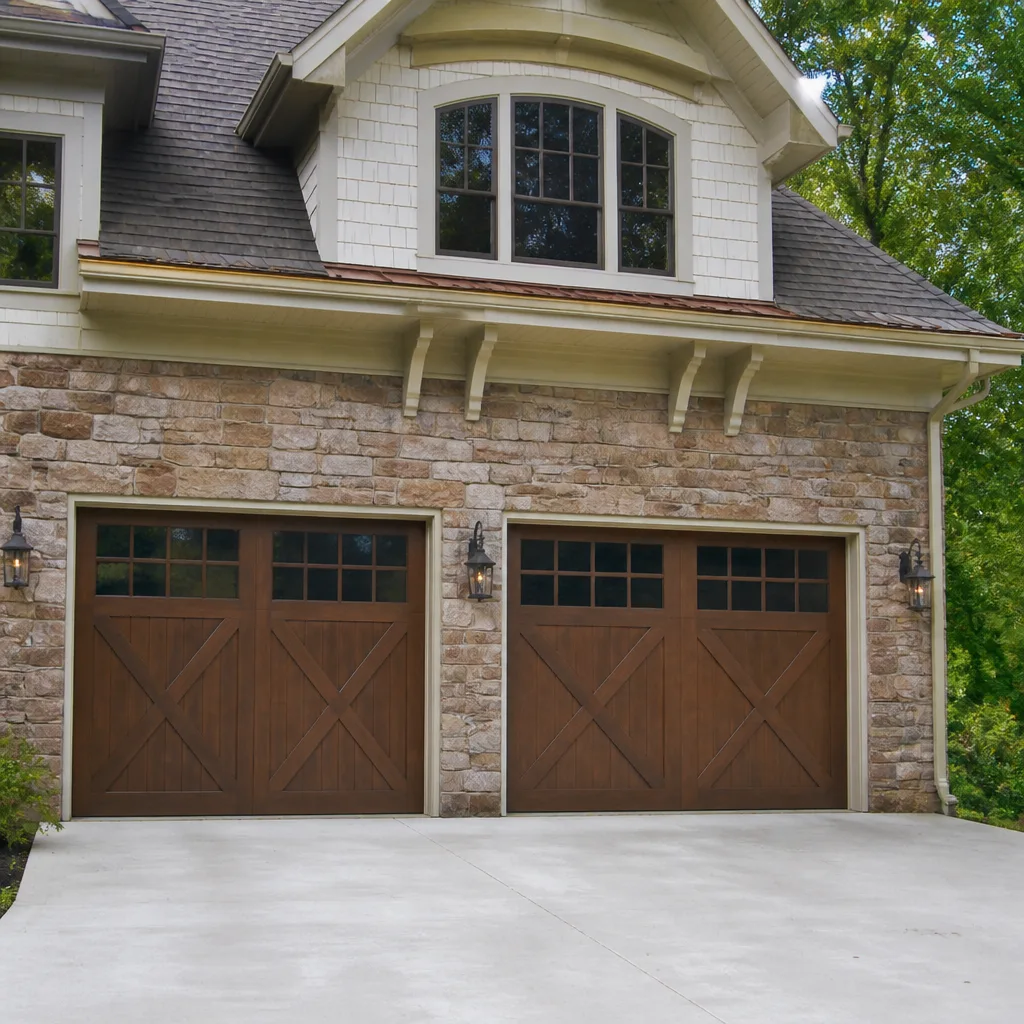 Carriage house
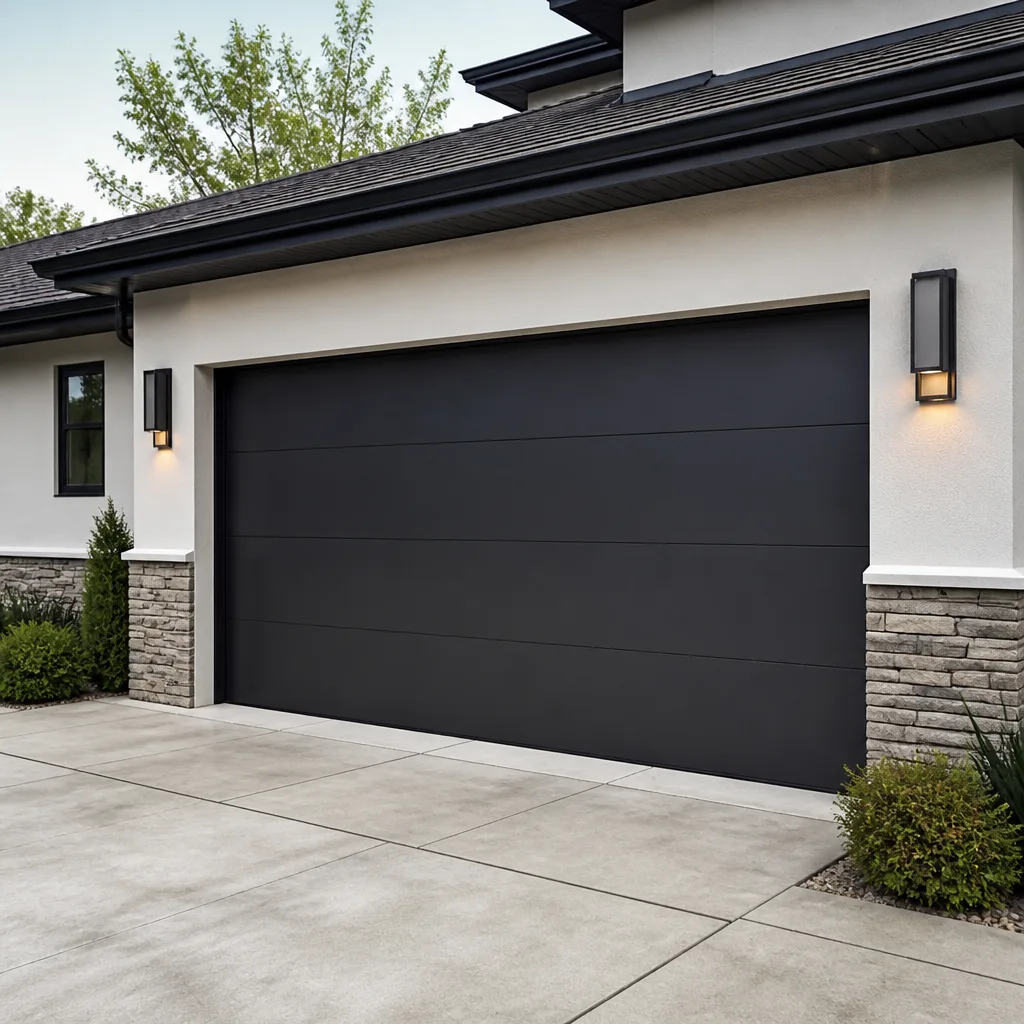 Modern flush
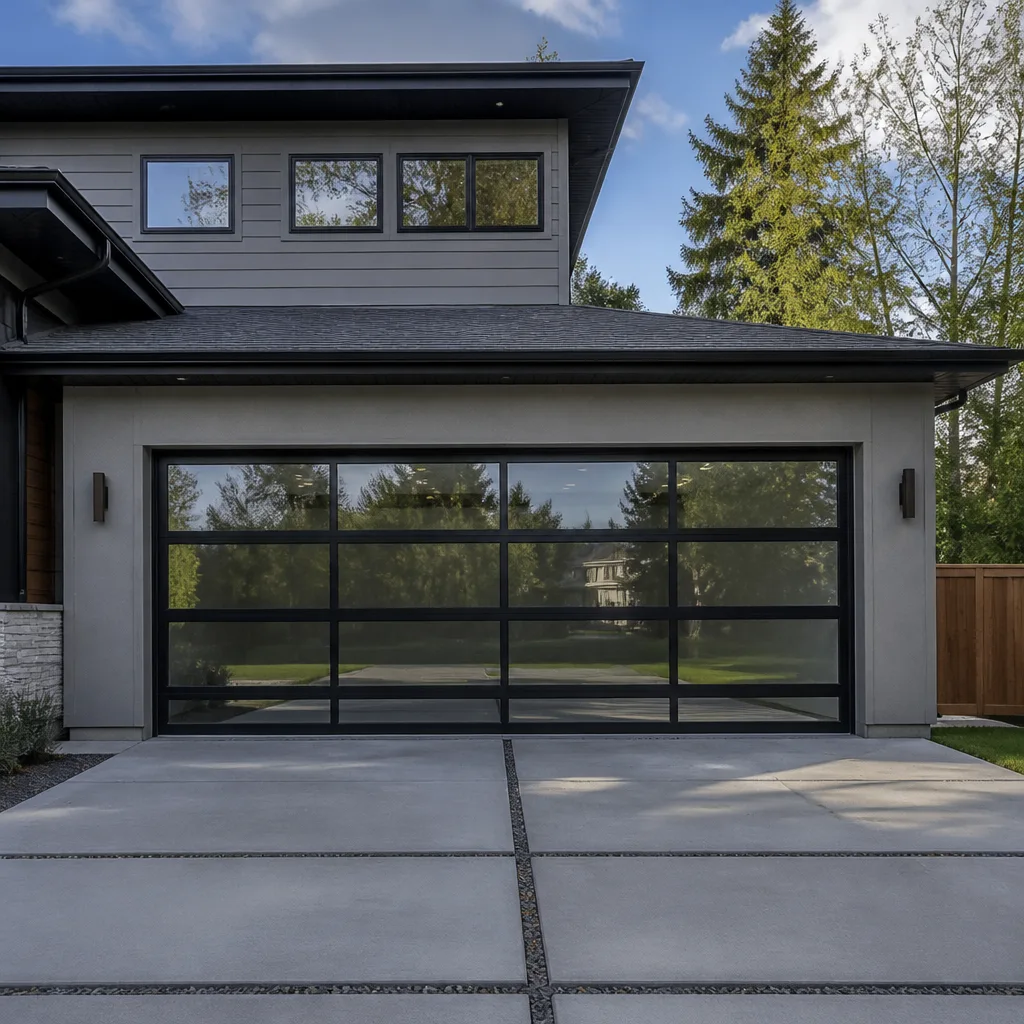 Full-view glass
 LiftMaster openers
 Chamberlain openers
Full 25-point door and opener safety check with every visit - springs, cables, rollers, tracks, and your LiftMaster or Chamberlain opener included
You get a price before we start. It does not change when the pro arrives.
Get your free estimateGarage Door Emergency Preparedness Guide for Longmont Homes
Most homeowners think of their garage door as a convenience until the moment it stops being one. The part that surprises people is this: during a real evacuation or a fast-moving storm, the failure that traps you is rarely the door itself. It’s the opener. An electric opener on a dead circuit will not lift the door, no matter how hard you press the remote, and if you’ve never practiced the manual release, you’ll be learning it with a car idling in the dark. This guide walks you through the specific actions that get a Longmont car out of a stuck garage, secure a door that won’t close, and tell a technician what’s actually broken before they arrive. No vague checklists. Just the steps that matter when your door quits.
Styles & brands we work with
- Raised-panel steel
- Carriage house
- Modern flush
- Full-view glass
- LiftMaster openers
- Chamberlain openers
Quick Answer
Every Longmont household with an automatic garage door should know three things before an emergency: where the manual release cord is and how to use it, how to re-secure the door after a manual override so it isn’t a wind or security gap, and whether their opener has battery backup. Practice the release once in daylight, keep a flashlight and a written copy of your door’s make and model near the door, and the worst-case scenario becomes a five-minute inconvenience instead of a trapped car. If a spring has snapped or the door is hanging crooked, stop and call a professional.
Table of Contents
- Why Garage Door Emergencies Deserve a Plan
- How to Manually Release a Stuck Garage Door
- What to Do When the Red Cord Won’t Disengage
- Securing a Manual-Opened Door During a Power Outage
- Battery Backup Openers and Retrofitting Older Systems
- Who to Call and What to Say During a Real Emergency
- Post-Emergency Inspection Checklist
- Common Mistakes to Avoid
- When to Call a Professional
- Frequently Asked Questions
Why Garage Door Emergencies Deserve a Plan
A garage door is the heaviest moving object most Longmont homeowners will ever operate. A standard single-car door can weigh well over a hundred pounds, and its lift depends entirely on springs and cables under serious tension. When one component fails, the door doesn’t gently stop. It can drop, twist off its track, or lock in place with a car on the wrong side of it.
Longmont makes this matter in ways that don’t apply everywhere. The Front Range gets fast, hard hail and sudden wind gusts that hammer a door left hanging open or half-closed. Winter storms can knock out power for hours. And the city’s mix of older neighborhood homes and newer builds means two very different generations of equipment are in use at the same time. A Craftsman-era opener in an established Longmont house and a newer smart opener in a recently built subdivision fail in completely different ways.
Emergency preparedness for a garage door is really three separate plans:
- Getting out: the manual release, and knowing exactly where it is.
- Staying secure: making sure a released door doesn’t become an open invitation or a wind catch.
- Getting it fixed: knowing who to call and what information speeds up the response so the whole thing resolves in a single visit.
None of this takes long to learn. All of it is much harder to figure out in the moment. The rest of this guide covers each plan in detail, in the order you’d actually need it.
How to Manually Release a Stuck Garage Door
The manual release is the single most important safety feature on your door, and most people have never touched theirs. When the opener loses power or jams, the release disconnects the door from the opener rail so you can lift it by hand. Here’s how it works on the vast majority of openers found in Longmont homes, whether it’s a Chamberlain, a Genie, or an older Craftsman unit.
- Find the release cord. It hangs from the opener carriage on the rail, usually a red or T-handle cord. If you’ve never located it, go find it now and note it.
- Make sure no one is under the door. Before you pull anything, clear the door path. A released door with a broken spring can fall.
- Pull straight down on the cord. You should feel the carriage disengage. On most openers a single firm pull is enough.
- Lift the door by hand. If the spring is intact, a properly counterbalanced door lifts with one hand. If it feels extremely heavy, stop. That heaviness is a sign the spring is compromised, and lifting a door against a dead spring can cause the door to drop or a cable to snap.
- Prop or secure the door open before you walk away, especially if you’re driving out. Don’t assume it will stay up on its own once it’s disconnected.
Two things to know about how it usually goes. First, the door is only meant to be lifted by hand when the counterbalance (the springs) is working; if it isn’t, that’s a professional job, and we’ve seen enough of them to say so plainly. Second, once you release the door you have to re-engage it before the opener will work again, which we cover below. Practice this once on a calm day so the motions are familiar. Our technicians have up to 15 years of experience, and the first thing they’ll tell you is that the people who’ve practiced it once are the ones who don’t panic. For a full breakdown of what can go wrong and when to stop, our guide to garage door repair covers the repair side in depth.
What to Do When the Red Cord Won’t Disengage
A stuck release cord is more common than you’d think, and it’s frustrating because you’re usually dealing with it at exactly the wrong moment. When you pull down and nothing happens, the capture has jammed on the rail or the carriage is bound up under load. Here’s the sequence that resolves it most of the time, in order of least to most effort.
- Fully close the door first, if you can. Release the carriage with the door down when possible. Pulling the cord with the door stuck mid-travel puts tension on the release mechanism, which is often what jams it.
- Pull the cord firmly, then tug it side to side as you pull. A straight yank in one direction frequently binds; a slight side wiggle frees the capture.
- Check the carriage position on the rail. If the door was forced closed by hand or hit an obstruction, the carriage can be pinned at the end of its travel. Moving the door a few inches by hand before pulling again often helps.
- Look for a second release or a lock. Some openers, particularly older systems, have a separate lock bar or a second release point you may need to disengage first.
- If it still won’t budge, stop forcing it. The release mechanism can be reconstructed on-site by a technician, and yanking hard enough to break the cord or bend the carriage turns a small fix into a bigger repair.
We work on your brand, which matters here. A Genie carriage and a Chamberlain carriage don’t bind in the same way, and knowing the specific opener changes how a technician frees it. If the release is stuck and you can’t get the car out, that’s a same-day call. Call (888) 574-5680. We answer 24/7. Fast dispatch from 7am to 7pm, Sunday through Friday. This is one of the situations where garage door opener repair is the right service, not a door issue.
Securing a Manual-Opened Door During a Power Outage
The car is out. Now the door is open or half-open and the power is still off. On a calm day that’s an annoyance. In a Longmont windstorm, an unsecured door is a large sail, and in any weather it’s an open door to your home. Securing it is a separate job from opening it, and it’s the step people skip.
Your options, from most temporary to most secure:
- Close it fully by hand if the door is counterbalanced. Lift it, walk it down gently, and let it rest. A closed door that’s disconnected from the opener is the safest version during an outage.
- Lock the door from inside. If the door has a manual slide bolt or lock bar, engage it. This prevents the door from being lifted from outside and holds it against wind.
- Add a temporary brace on the inside if the door is stuck open. A wooden bar wedged horizontally against the door frame blocks wind-driven motion and makes the door harder to open from outside, but only as a stopgap.
- Keep the opener disconnected and unplugged until the door has been inspected. A door with a compromised spring or track should not be run by the motor again.
One warning specific to Longmont: if a door is left open or hanging for a day or more during the hail and high-wind season, the panels take a beating even without a direct hit. And a door that’s been left hanging can bend its track from the repeated buffeting. If you’ve had to leave a door open through a storm, that’s a good reason to have the track and cables looked at before you run it again. If the track is bent badly enough that the door won’t close true, replacement of the track and hardware is sometimes the cleaner fix, which is where understanding garage door installation standards helps you decide.
Battery Backup Openers and Retrofitting Older Systems
Here’s the short version: if your opener has battery backup, a power outage doesn’t trap you. The door still lifts on the remote because the unit runs off its own rechargeable battery for a period. If it doesn’t have one, the door is dead until the power comes back unless you release it by hand. This is the one upgrade we’d point to above almost any other for a Longmont household, because the city sees real outage events during storms and high wind.
What’s involved in adding it:
- Check your opener’s model first. Battery backup is built into many modern openers. Newer LiftMaster and Chamberlain models are commonly available with it, and some Genie units support it. Older Craftsman and Raynor systems made before backup was standard won’t have it built in.
- Retrofit is possible on some models, replacement on others. Some openers sold without backup can accept an add-on battery, but not all can. For older units, a full replacement with a backup-equipped opener is often the more reliable path.
- Compatibility matters. A backup battery that doesn’t match your opener’s charging system isn’t a solution. This is where a technician who services your actual make and model helps, rather than a model number you found on a forum.
If your door is older and the opener has reached the end of its useful life anyway, replacing the opener is the clean path, especially if you’re moving toward smart-home controls. For a home with a modern smart opener already installed, adding backup is simpler. Either way, the free estimate we offer happens on a scheduled visit, not a same-day emergency call. The measurement, model check and written price all come first. When you do have a plan for the install, our Longmont Garage Door Repair Pros pages outline the full range of services.
Who to Call and What to Say During a Real Emergency
The response time on an emergency call depends heavily on how much information you can give on the phone. A call that starts with “my garage door is broken” takes longer to dispatch than one that starts with the exact make and model. Have these ready before you dial, or grab them as the phone rings:
- The door’s make and model. It’s usually on a label on the door’s top panel or the opener’s housing. If you can’t read it, a photo works.
- The opener’s brand. Chamberlain, Genie, LiftMaster, Craftsman, Raynor, Wayne Dalton and others each have different release and repair quirks.
- What happened. Did it stop mid-travel? Did you hear a bang? Did a car hit it? Was there a power surge? Each answer changes what the technician brings and expects.
- Whether the door is stuck open or stuck closed. Stuck open is a security priority. Say so.
- Whether a car is trapped inside. This changes the urgency of the response.
- Your address and access details. How the technician gets in, whether there’s a gate code, and where the door is.
When you call, say whether the door is leaning, whether a spring appears to have snapped, and whether the door has been forced. If a spring has broken, do not touch the door, the cables, or the springs. High-tension springs and cables can cause serious injury if handled without training, and no phone call is worth that risk. A trained technician is the right person for the springs every time.
Call (888) 574-5680. We answer 24/7. Fast dispatch from 7am to 7pm, Sunday through Friday. Emergency garage door service is a real, offered service, so the person answering knows the difference between a stuck door and a serious failure. If the call comes outside dispatch hours, it gets booked into the next opening, Sunday through Friday, 7am to 7pm.
Post-Emergency Inspection Checklist
Once the car is out and the door is secured, there’s a second layer of damage that doesn’t show up until you run the door again. A forced manual override or a door that dropped off its track can bend things you won’t see from the driveway. Run this checklist before you trust the door to a motor again.
- Tracks: Look for bends or dents at the curve where the door transitions from vertical to horizontal. A bent track is the most common hidden damage after a forced release. It will bind on the next motorized cycle.
- Cables: Check for fraying, kinks, or a cable that’s off its drum. Cables live under the same tension as the springs. If anything looks off, don’t touch and don’t run the door.
- Springs: Note whether the spring is intact from a safe distance. A broken spring usually shows an obvious gap. Do not reach in to test it or to adjust it.
- Motor and carriage: Run the opener once with the door disconnected (if it’s safe) and listen. Grinding, clicking, or a motor that runs but doesn’t engage the carriage means a repair, not a reset.
- Panels and hinges: Check the panel edges and the hinges for distortion, especially if a door was forced or hit. Bent hinges throw the door off alignment and can wear the track.
- The safety reverse: With the door back on the motor and working, test that the door reverses when it meets an obstruction. If it doesn’t, stop using the automatic opener until it’s repaired.
Longmont homeowners who’ve had a door forced open in a power outage often find the door rolls a little rougher afterward. That’s not wear and tear; that’s usually a slightly bent track or a hinge. Catch it before it becomes a bigger spring or cable repair. If you’re not sure what you’re seeing, describe it to a technician over the phone and they can tell you whether it’s safe to run.
Common Mistakes to Avoid
- Pulling hard on a release cord that’s stuck. A hard yank can break the cord or bend the carriage, turning a quick fix into a repair. Wiggle it, close the door first, and stop if it won’t give.
- Lifting a door with a broken spring by hand. This is the single most dangerous mistake on the list. If the door feels extremely heavy, the spring is compromised. Don’t force it; call for help.
- Leaving a manually-opened door unsecured. An open door during a Longmont windstorm is a sail and a security risk. Close it, lock it, or brace it before you walk away.
- Running the opener after a forced manual override. The carriage often isn’t re-engaged, and the motor can strain or damage the door. Re-attach the carriage and test the door by hand first.
- Assuming an older opener has battery backup. Most don’t. If the power goes out and your opener has no backup, plan for the manual release, or ask about retrofit or replacement.
- Ignoring a small bend in the track. A slightly bent track compounds every cycle. It’s the most common hidden damage after an emergency and the easiest to catch early.
- Trying to reopen a door with a snapped spring or off-track panel. Running a damaged door can drive a cable loose or drop the door. Call a professional before you move it.
When to Call a Professional
Some garage door problems are best handled by a call, and it’s worth knowing which ones. Call a professional when a spring has visibly snapped, when the door is hanging off its track or leaning, when a cable is frayed or loose, when the manual release won’t disengage and the car is trapped, when a door was forced and won’t close true, or when a motor runs but the door doesn’t move. Also call if you’re unsure. A five-minute conversation is better than a weekend spent forcing a door that was meant to be handled by someone with training. Springs and cables are not a place to improvise.
Longmont Garage Door Repair Pros offers free estimates in Longmont. The price is quoted and agreed before any work starts, so you know the number before a technician touches the door. Call (888) 574-5680. We answer 24/7. Fast dispatch from 7am to 7pm, Sunday through Friday. Emergency service, spring repair, opener repair, and full installation are all handled by the same team, so there’s no second contractor to find once the emergency is over.
Frequently Asked Questions
The fastest way out is the manual release, not a service call. Locate the red or T-handle cord hanging from the opener carriage on the rail, pull straight down firmly, then lift the door by hand. If the door feels extremely heavy or won’t lift, the spring may have failed, so stop and call for same-day emergency service. Our technicians have up to 15 years of experience and can talk you through the release over the phone.
Nationally, most openers sold more than a decade ago don’t, while many modern openers do. The only reliable way to know is to check the model number on the housing. Newer LiftMaster and Chamberlain models commonly include backup, and some Genie units support it; older Craftsman and Raynor units usually don’t. If you’re not sure, we can check during a scheduled visit and, if it lacks backup, tell you whether a retrofit or replacement makes more sense. Call (888) 574-5680 with the model number and we’ll help you sort it out.
Same-day emergency service is available, and it’s a core part of what we do. Call (888) 574-5680. We answer 24/7. Fast dispatch from 7am to 7pm, Sunday through Friday. If the call comes outside dispatch hours, it’s booked into the next opening. When you call, have the door’s make and model, the opener brand, and a description of what happened ready; that information speeds up the response.
If the release won’t disengage, close the door fully first if you can, then pull firmly with a slight side-to-side wiggle; that frees the carriage most of the time. If it still won’t release, stop forcing it. The mechanism can be reset on-site, and a broken cord or bent carriage is a bigger repair. Call (888) 574-5680 and we can free it as part of a same-day visit.
Close the door fully by hand if the door is counterbalanced, engage any manual lock bar or slide bolt from inside, and keep the opener disconnected and unplugged until the door is inspected. If the door won’t close, brace it from inside with a horizontal bar to keep wind from catching it. Longmont wind and hail make an unsecured door a real risk to the panels and track, so secure it even if you can’t fully close it.
Yes. We’re set up to service eight of the most widely installed brands in homes, including LiftMaster, Chamberlain, Genie, Clopay, Amarr, Wayne Dalton, Craftsman, and Raynor. That puts us on familiar ground across a range of doors, from older Craftsman and Raynor systems to modern smart-opener platforms. Have the brand and model ready when you call (888) 574-5680 and we’ll confirm the right technician for the job.
The Bottom Line
A garage door emergency is much smaller when you’ve planned for it. Locate your manual release today and practice it once. Note your door’s make and model, and the opener brand, and keep that where you can find it. Close and secure the door after any manual override, and don’t force a door with a broken spring. If your opener lacks battery backup, that’s the upgrade worth planning. If the door is stuck, leaning, off its track, or won’t close true, call a trained technician; springs and cables aren’t a weekend project. Learn the plan now, and the emergency itself takes minutes, not hours.
When you need a hand, Longmont Garage Door Repair Pros works on your brand, covers the full job from opener to panel to spring, and sends experienced technicians. Call (888) 574-5680 for a free estimate. We answer 24/7. Fast dispatch from 7am to 7pm, Sunday through Friday.
Written by the team at Longmont Garage Door Repair Pros.
See the difference
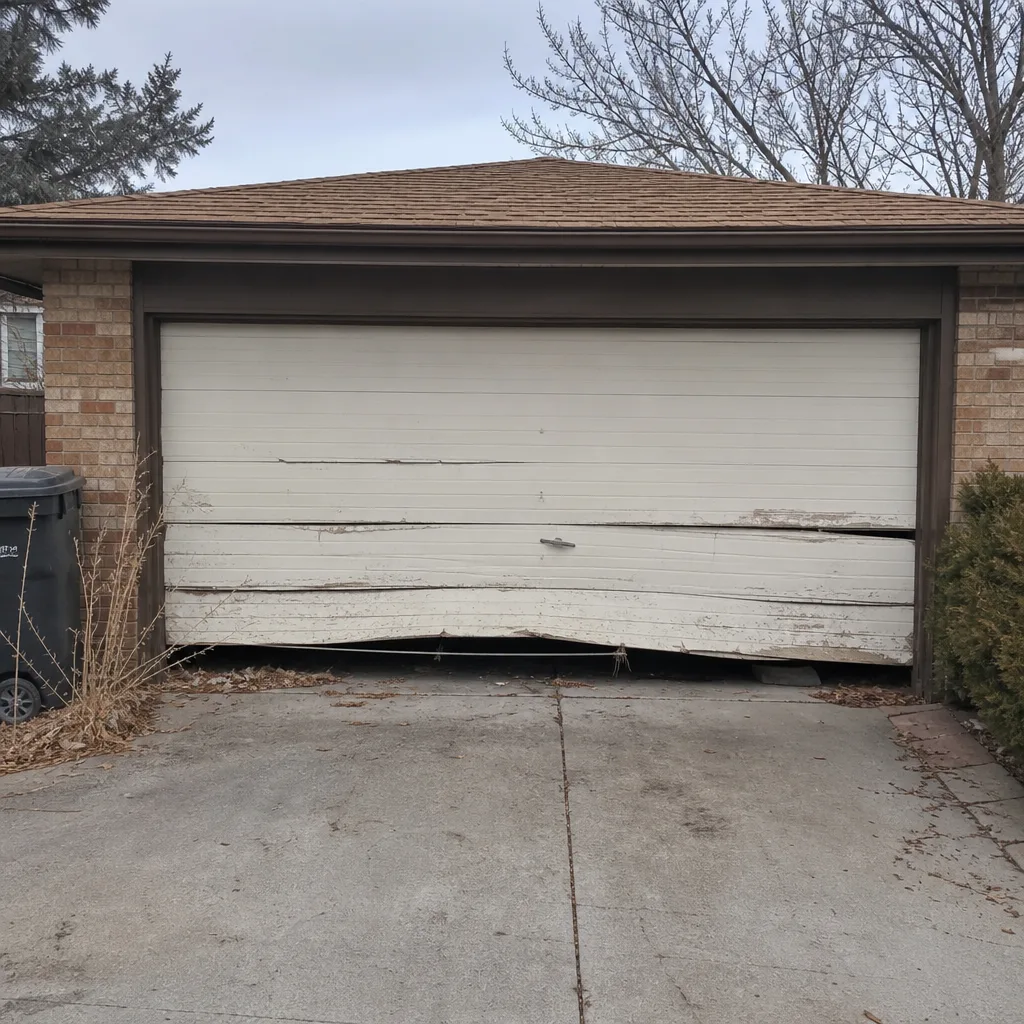 Before
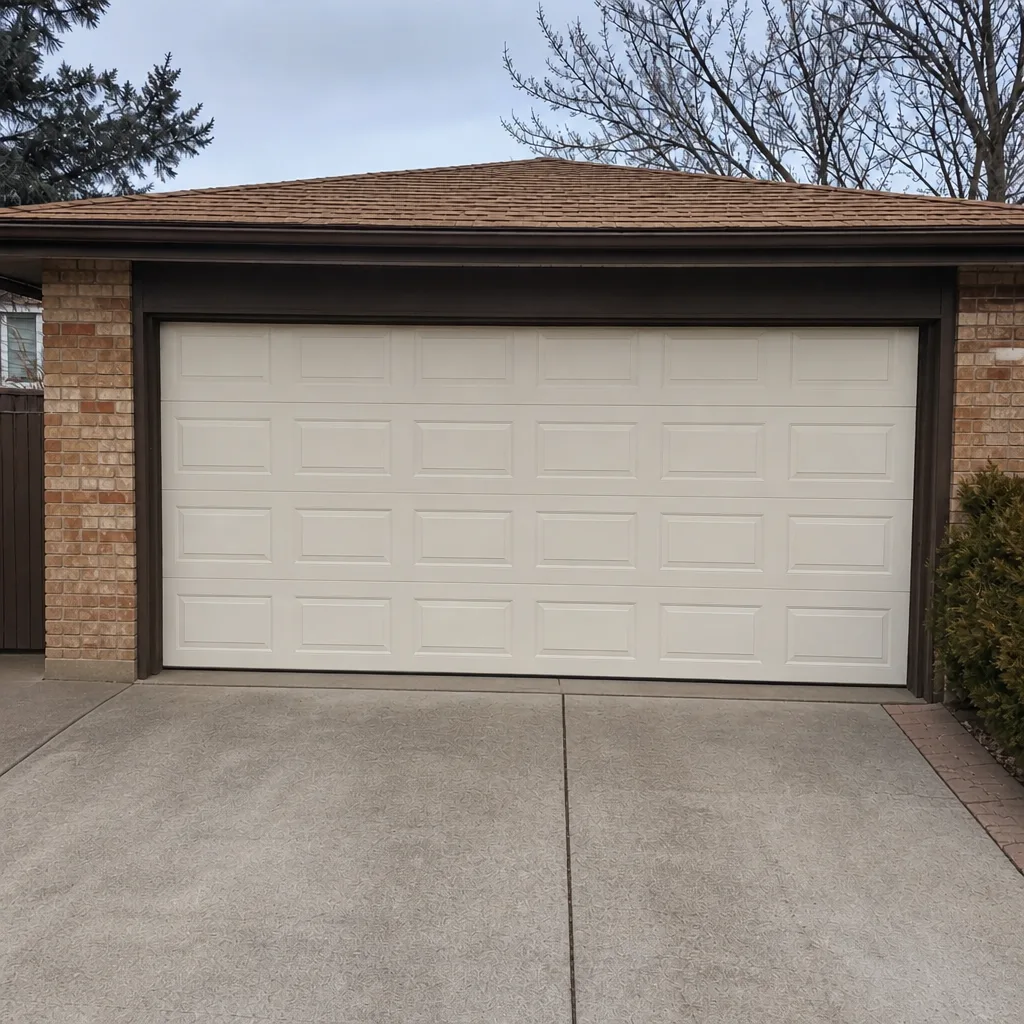 After
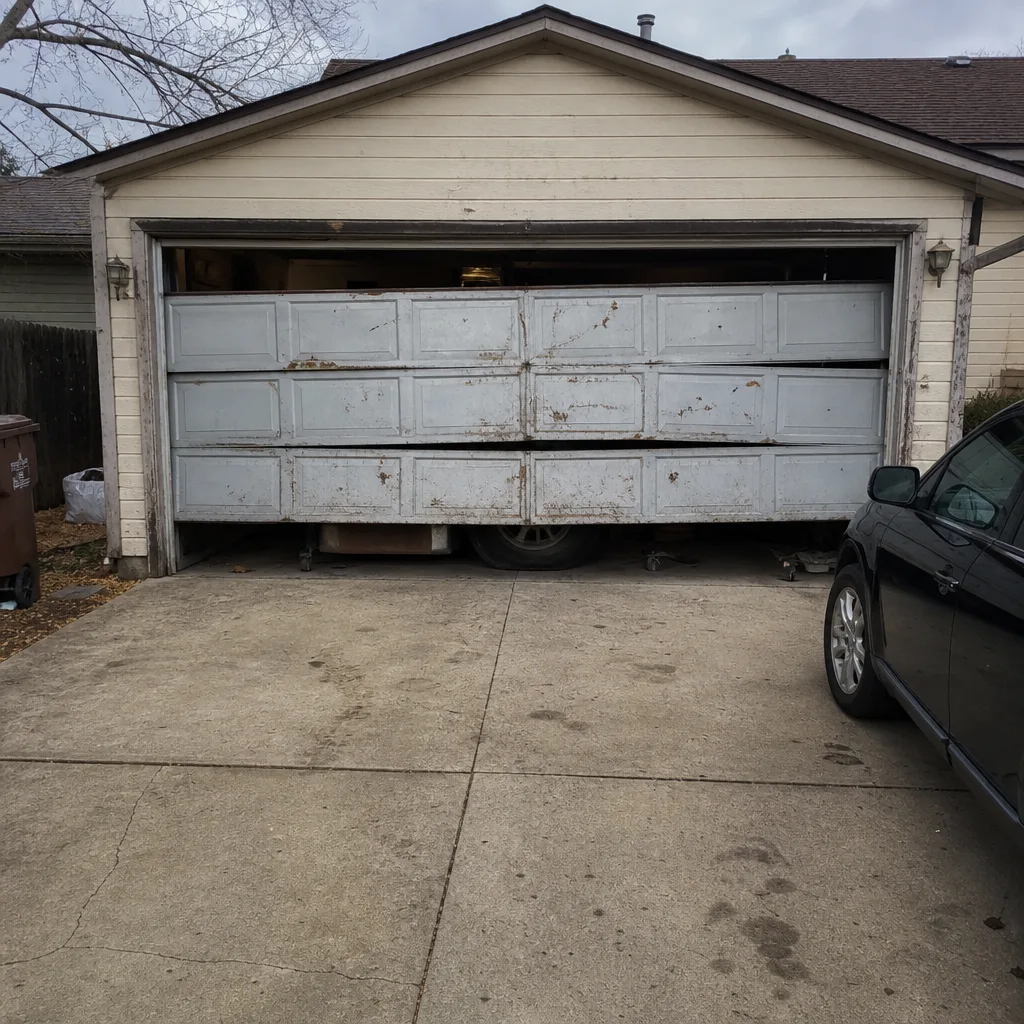 Before
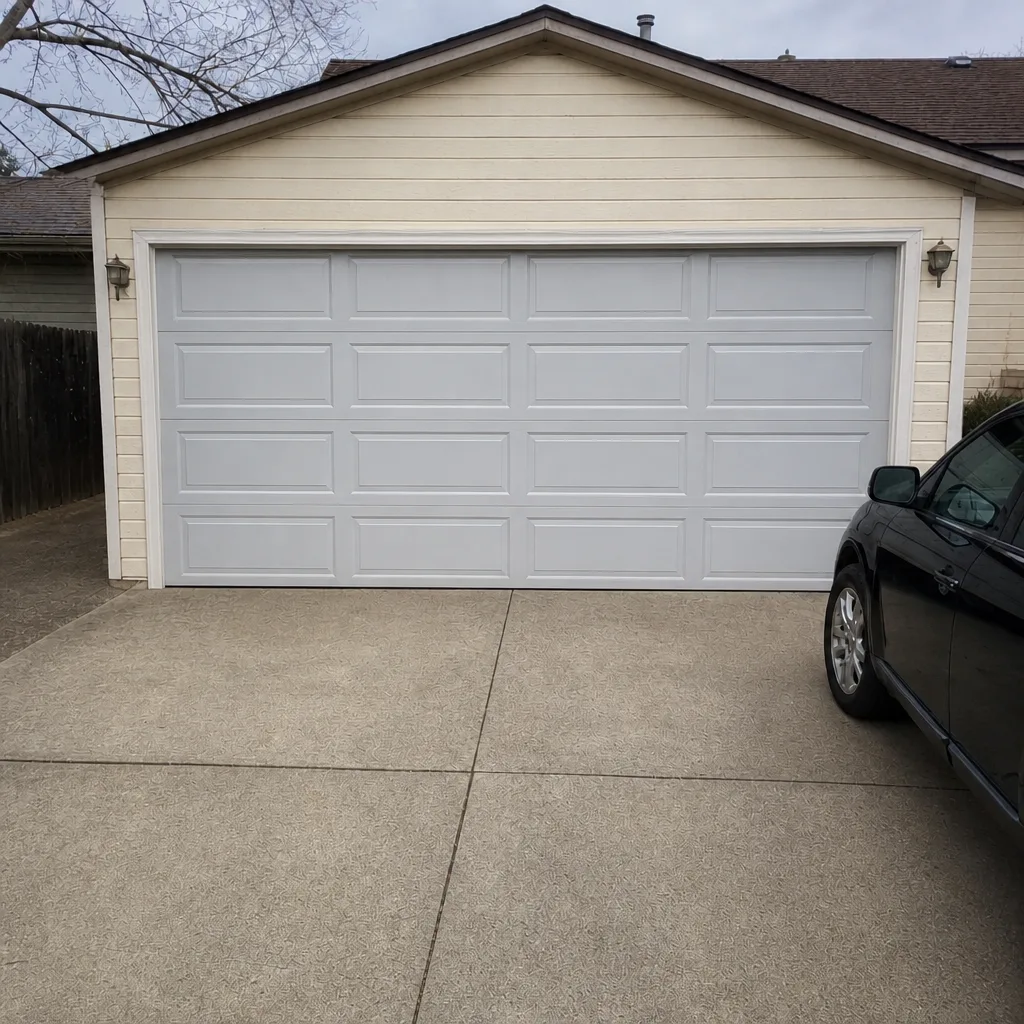 After
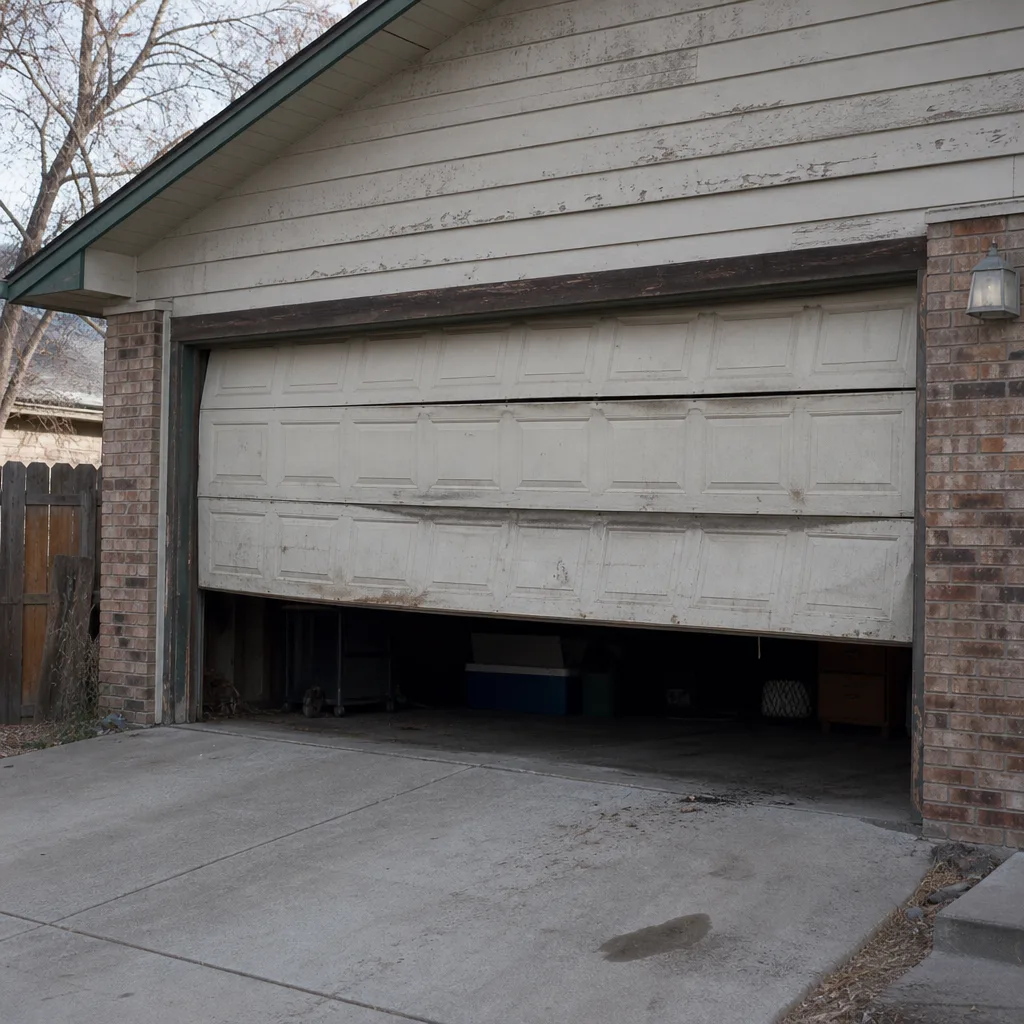 Before
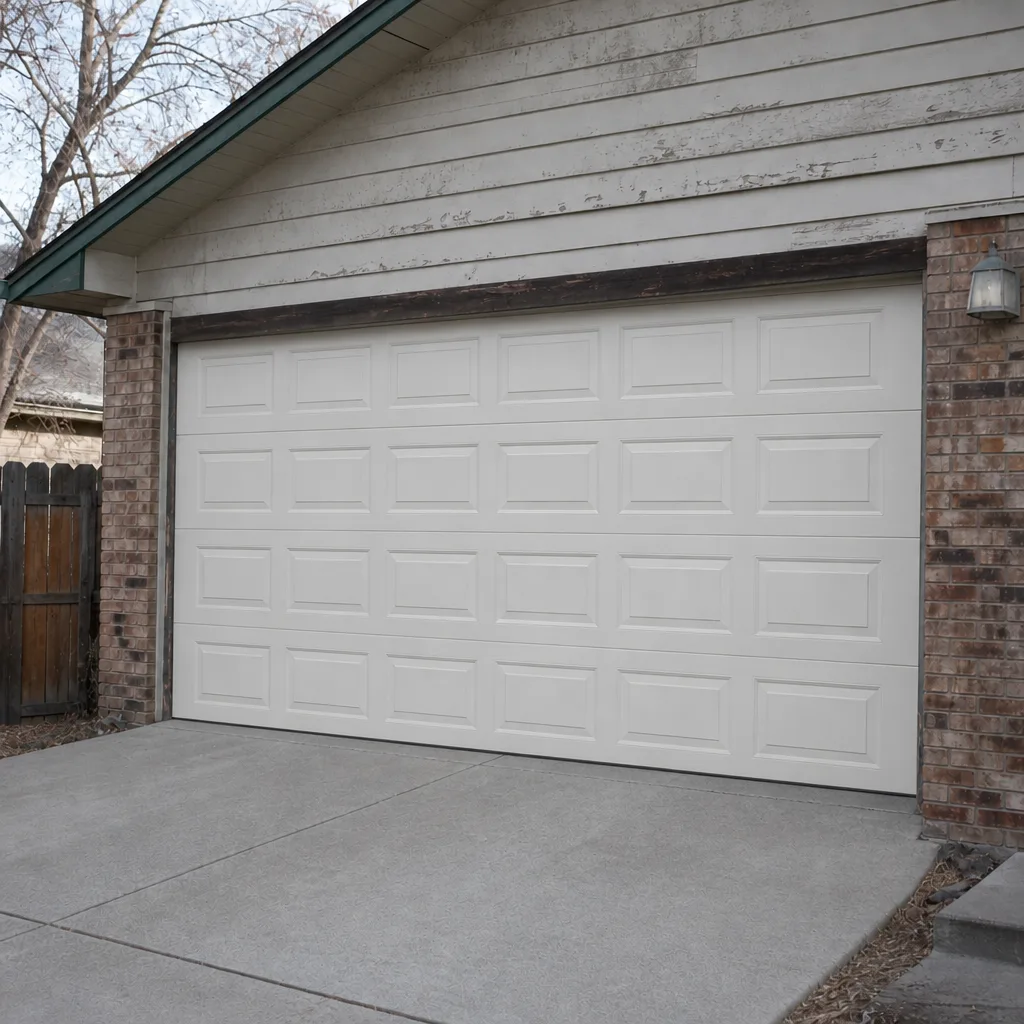 After