
Last updated November 22, 2026
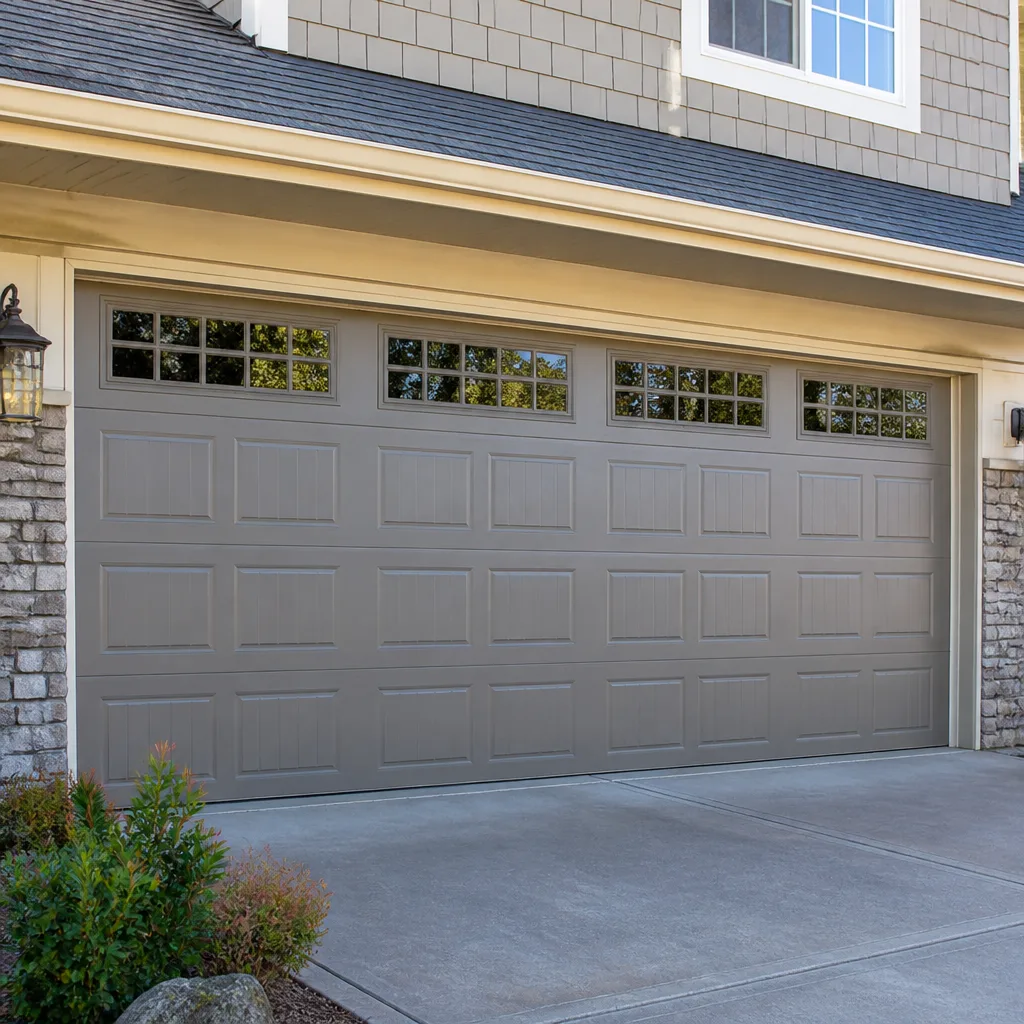 Raised-panel steel
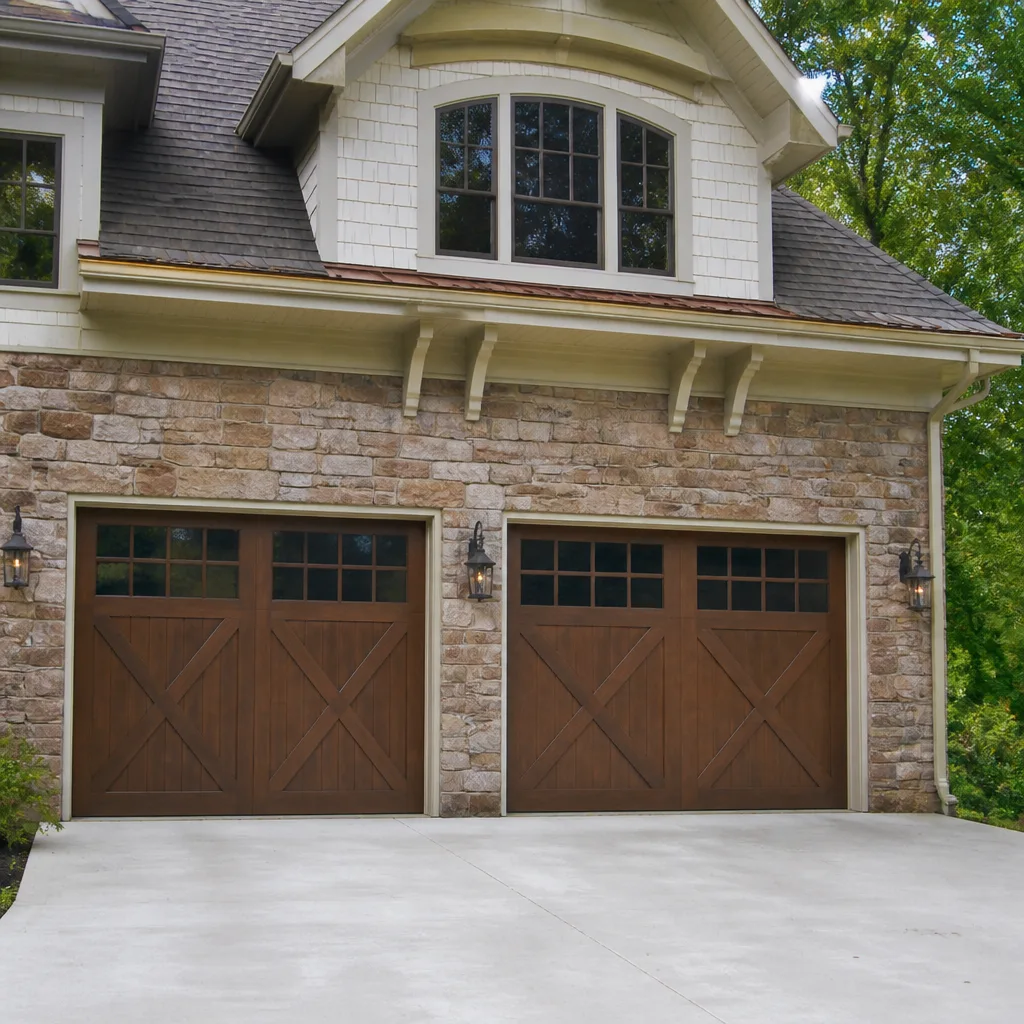 Carriage house
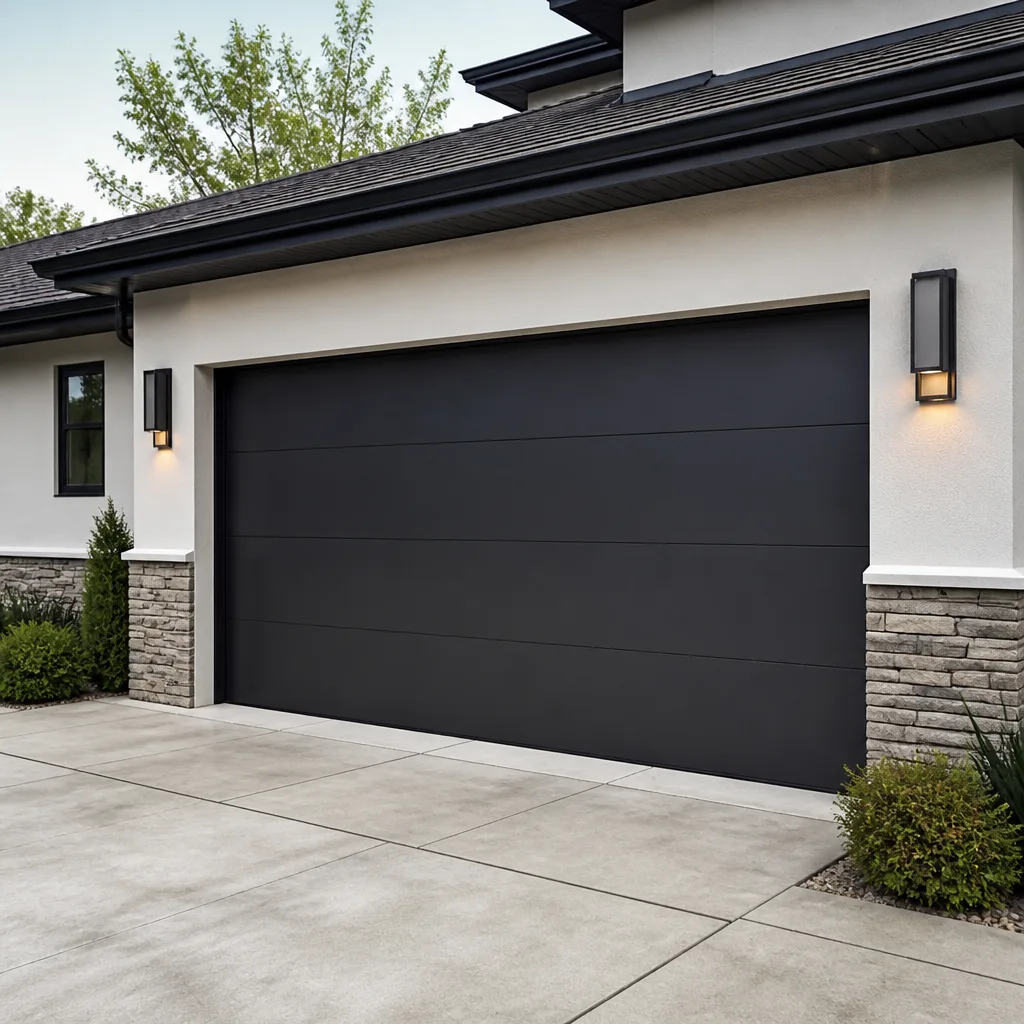 Modern flush
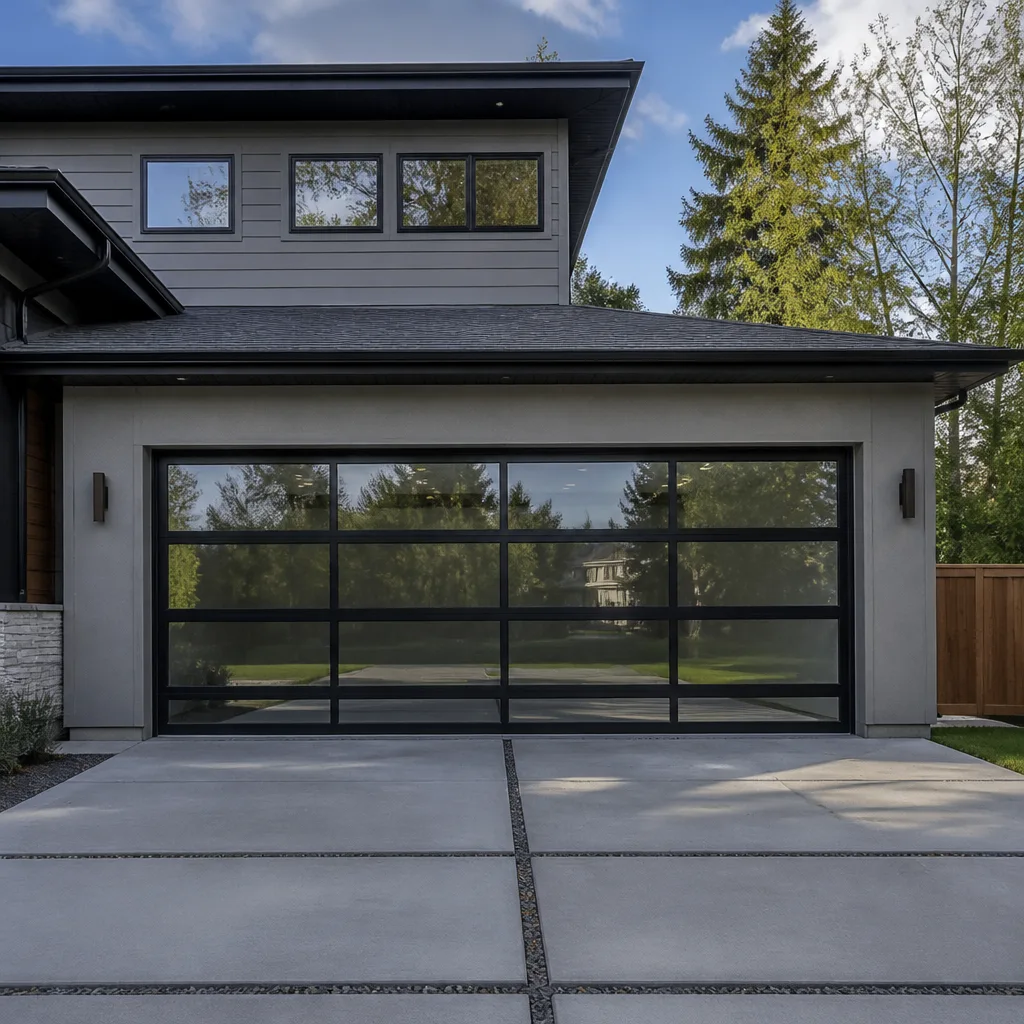 Full-view glass
 LiftMaster openers
 Chamberlain openers
Full 25-point door and opener safety check with every visit - springs, cables, rollers, tracks, and your LiftMaster or Chamberlain opener included
You get a price before we start. It does not change when the pro arrives.
Get your free estimateGarage Door Permits, Codes & Inspections in Longmont, CO: What You Need to Know
Replacing a garage door panel? No permit. Widening the opening by four inches to fit a third bay? That’s a structural change, and skipping the permit can freeze your home sale in escrow. Here’s the part that surprises most Longmont homeowners: the garage door itself almost never needs a permit, but the framing, the header, and the electrical work around it sometimes do. This guide draws the exact line between what’s routine and what triggers a City of Longmont building permit, along with how inspections work, what openers need to pass, and how unpermitted work surfaces at closing.
Quick Answer
In Longmont, CO, replacing a garage door or opener with like-for-like equipment generally does not require a building permit. A permit is typically triggered when you alter the garage structure itself: widening or changing the opening, modifying the header or framing, adding a new electrical circuit for an opener, or converting the garage into living space. When in doubt, ask the City of Longmont Building Inspection Division before any work starts, not after.
Styles & brands we work with
- Raised-panel steel
- Carriage house
- Modern flush
- Full-view glass
- LiftMaster openers
- Chamberlain openers
Table of Contents
- Where the Permit Line Actually Falls
- What Doesn’t Require a Permit in Longmont
- UL 325 and Entrapment Protection on Older Longmont Doors
- HOA Architectural Rules That Stack on Top of City Code
- The Inspection Process for Permitted Garage Work
- What Happens After a Failed Inspection
- How Unpermitted Work Shows Up at Resale
- Brand and Equipment Notes for Longmont Homes
Where the Permit Line Actually Falls in Longmont
The confusion starts because “garage door work” covers two very different categories of job. One is mechanical: an opener, a spring, a panel, a track. The other is structural: the opening, the header above it, the framing on either side, and any new electrical run. Mechanical swap-outs rarely need a permit. Structural changes usually do.
Here’s how we explain it to homeowners who call us in Longmont trying to sort out whether they need to pull paperwork before booking a job:
- Typically a permit: Widening the garage door opening for a larger door. Raising the header to gain height. Cutting into a load-bearing wall to add a bay. Adding a new dedicated electrical circuit for an opener where none exists.
- Typically no permit, but check: Replacing a door of the same size in the same opening. Replacing an opener with a new one on an existing circuit. Replacing springs, cables, rollers, or panels. Replacing a torsion system with another torsion system.
- Almost always a permit: Converting a garage into habitable space, which changes the occupancy of the structure and pulls in insulation, egress, and sometimes structural review.
Longmont has a mix of housing stock, and that matters here. Older blocks near downtown and along the older neighborhoods close to Main Street often have detached or attached garages built to dimensions that don’t match modern door sizes. A homeowner who wants a modern door in an old opening is often edging toward structural work without realizing it. The building department’s answer depends on what’s actually being altered, so describe the job in terms of framing and opening dimensions, not in terms of “getting a new garage door.”
One practical habit: call the City of Longmont Building Inspection Division and describe the scope in plain language. Ask specifically whether the job needs a building permit and whether it needs a separate electrical permit. Write down who you talked to and when. If a contractor tells you a permit isn’t needed and the city says otherwise, the city wins.
What Doesn’t Require a Permit in Longmont
Most of the work we do in Longmont doesn’t touch the permit process at all. If you’re replacing a broken spring, a dead opener, a bent track, or a damaged panel with a comparable part in the existing opening, you’re typically outside permit territory. That’s the ordinary repair work covered on our garage door repair page, and it’s the bulk of what fails on a daily basis.
What counts as routine, in general terms:
- Spring replacement. Torsion and extension springs are mechanical components inside the existing assembly. The main concern here isn’t permits, it’s safety. Springs and cables are under extreme tension, and a trained technician handles them with the right winding bars and the door secured. We treat spring work as a safety-critical service, not a weekend project.
- Opener replacement. Swapping a dead opener for a new unit on an existing circuit is normally a straight equipment replacement. The new unit still needs to meet current safety requirements, which we’ll get to.
- Panel and section replacement. A damaged lower panel on a Clopay or Amarr door can often be replaced without touching the framing. We match the model and profile so the door still reads as one unit from the street.
- Roller, hinge, and cable replacement. Standard wear items. No structural change, no permit.
- Weather seal and bottom seal. Cosmetic and functional, no permit involved.
There’s one place where “routine” gets murky: electrical. An opener plugged into an existing outlet in the ceiling is not new electrical work. An opener that needs a new outlet run from the panel is. That’s where a homeowner who assumed the whole job was exempt can find themselves needing an electrical permit pulled by a licensed electrician. We can tell you which situation you’re in before any work begins, but we won’t guess on someone else’s behalf. If the answer hinges on the panel, call an electrician and get a straight answer.
Keep receipts and the model information for any replacement you do make. Not for the city, but for the next buyer, who will ask. A folder with the door model, the opener model, and the date of installation is the least glamorous document in your house and the most useful one at closing.
UL 325 and Entrapment Protection on Older Longmont Doors
UL 325 is the safety standard for garage door operators, and it’s the reason modern openers have photo eyes and, on many units, a secondary entrapment protection device. If your Longmont home still has an opener from the early 1990s or older, the odds are decent that it’s running without the protection a new unit would have. That’s not a permit issue. It’s a safety issue, and it affects whether the door passes an inspection if the garage is part of a permitted scope of work.
Entrapment protection, in plain terms, is the equipment that stops or reverses a closing door when something is in the way:
- Photo eyes. A beam across the opening. If the beam is broken while the door is closing, the door reverses. If the eyes are misaligned, dusty, or mounted too high, the door may close anyway or refuse to close at all.
- Safety reverse on contact. The door reverses when it meets resistance. Adjusting this is part of a proper opener setup, and a door that hits a broom handle and keeps going is out of adjustment.
- Edge sensors and other secondary devices. Common on newer LiftMaster and Chamberlain units, where the system checks in with the operator and logs a fault if the device isn’t working.
Craftsman openers from the 1990s are still running in plenty of Longmont garages, and they’re a frequent source of this conversation. A Craftsman unit that predates modern photo-eye requirements can still function, but it doesn’t offer the protection a current opener does. When we replace one, we’re usually replacing the safety logic along with the motor, not just swapping a box on the ceiling. If your opener is a LiftMaster or Chamberlain with the myQ ecosystem, the newer units also report faults through the app, which makes a dying photo eye much easier to catch before it becomes a stuck door.
One caveat worth stating plainly: if you’re not trained to work around a torsion spring, cable, or a live opener circuit, don’t. The high-tension components on a garage door can cause serious injury in a fraction of a second. Testing a safety reverse by hand is fine. Rewiring an opener or adjusting a spring is not a homeowner task.
HOA Architectural Rules That Stack on Top of City Code
City code is the floor. Your HOA’s architectural guidelines are often the ceiling, and in Longmont they can be stricter than the building department on door appearance. A door can be perfectly legal under city code and still get rejected by an architectural review committee because it’s the wrong color, the wrong panel style, or the wrong material for the neighborhood.
Which neighborhoods lean hardest on this tends to track with the newer planned communities and the larger subdivisions where an HOA was part of the original development. Older blocks closer to downtown and the established neighborhoods around Roosevelt Park and the older parts of town are more likely to have no HOA at all, which means city code is the only rulebook. If you’re in a newer subdivision, assume there’s an architectural review process until you’ve confirmed there isn’t.
What HOA guidelines typically cover:
- Door material and panel style. Many HOAs specify a raised-panel or carriage-house look and prohibit certain modern flush profiles.
- Color. Often a short approved palette, sometimes matched to the trim or the roof.
- Window inserts. Whether glazing is allowed, and in what pattern.
- Visible hardware. Hinges, handles, and decorative ironwork may need approval.
The practical sequence is: get HOA approval first, then confirm with the city whether the job needs a permit, then book the work. Reversing that order is how homeowners end up with a door they can’t keep. If you’re ordering a Clopay or Amarr door and the HOA needs a color sample, get it before the order is placed, not after the door is sitting in the garage. A good dealer will hold an order while you sort out the paperwork, and it’s worth asking about that up front.
Our role in this is to tell you what we’re installing, in the exact model and color, so you can fill in the HOA form accurately. We can’t approve your application, and we won’t tell you what your HOA wants. We can give you the specification sheet, and that’s usually what the committee asks for.
The Inspection Process for Permitted Garage Work
If the job does need a permit, the inspection is usually straightforward as long as the work is done to the approved plan. The trouble usually comes from a mismatch between what was approved and what was built. Here’s the general sequence for permitted garage work in Longmont:
- Confirm the scope with the city. Call the City of Longmont Building Inspection Division and describe the work. Ask what permit type applies and what documents they need. Some scopes need plans, some need a simple application.
- Submit the application and plans. For structural work, expect to provide drawings or a description of the framing change. For electrical work, a separate electrical permit may apply.
- Get the permit issued before work begins. The permit needs to be posted or available on site. Work done before the permit is issued is unpermitted work, even if you get the permit later.
- Schedule the inspection at the right stage. Some elements need to be inspected before they’re covered up. Framing is inspected before the drywall or finish goes on. Electrical rough-in is inspected before the circuit is energized and closed up.
- Final inspection. The inspector confirms the finished work matches the approved scope. If it does, the permit is signed off and closed. Keep the record.
What an inspector typically checks on a garage scope: that the opening dimensions and header match the approved plan, that framing and fasteners are what was specified, that the electrical work is correct, and that the finished job matches what was approved. They are not there to grade your door’s aesthetics or your opener brand. They’re there to confirm the structure and the electrical are what the permit says they are.
The part that catches people out is timing. Inspectors are busy, and a job that needs a framing inspection before a finish inspection can sit for a while between stages. Build that into the schedule if you’re coordinating a door install with other work. If you’re replacing a door and the opener in a permitted scope, we work around your inspection schedule. The installation itself can be measured and ordered ahead of time, so the door is ready when the framing is signed off. That’s a planning question, not a same-day one; on garage door installation we measure, order, and schedule, and the price is set in writing before anything is ordered.
What Happens After a Failed Inspection
A failed inspection is not a disaster. It’s a correction list. The inspector writes down what doesn’t match and you fix it and schedule a re-inspection. The real cost is time, and the real risk is a homeowner who decides to skip the re-inspection and leave the permit open. An open permit on a garage is a problem at resale, and it doesn’t go away on its own.
Common reasons garage-related inspections fail, in our experience talking with homeowners in Longmont:
- Scope drift. The work done is larger or different than what was approved. A small dimensional change to the opening that wasn’t on the plan can trigger this.
- Framing not matching the plan. Different lumber, different fasteners, or a header installed differently than specified.
- Electrical not to code. An opener circuit that wasn’t run the way the electrical permit described, or a missing junction box cover.
- Work covered before inspection. Finish material installed over framing that was supposed to be inspected first. This usually means opening it back up, which is expensive and frustrating.
- Missing safety requirements on the door operator. A new opener installed without the required entrapment protection, or with photo eyes mounted in a way that doesn’t actually protect the opening.
Correcting a failed inspection usually means a technician visit to bring the work into line with the approved scope, then a re-inspection. If the failure is structural, it’s a framing correction. If it’s the opener, it’s a re-mount or a replacement. Either way, the fix is smaller and cheaper than the alternative: a permit that stays open for years and surfaces in the middle of a sale. We’d rather do a correction visit on a Tuesday than watch a closing fall apart over a permit that was never closed out.
How Unpermitted Work Shows Up at Resale
Unpermitted garage work usually surfaces twice: once during the buyer’s inspection, and once during the title and permit search. A thorough buyer’s inspector will measure the opening, look at the framing, and note anything that doesn’t look original. A permit search at the city will show any permits pulled and, more importantly, whether they were closed. An open permit attached to the property is a red flag that any buyer’s agent will ask about.
What it looks like from the seller’s side:
- Delayed closing. The buyer asks for proof the work was permitted and inspected. If the seller can’t produce it, the closing can stall while the city is contacted and the situation is sorted out.
- Negotiated price reduction. A buyer who sees unpermitted structural work will often ask for a credit or a price reduction to cover the risk.
- Retroactive permitting. In some cases, the city will allow the work to be permitted after the fact, which can mean opening up finished surfaces for inspection.
- Remediation. If the work can’t be brought into compliance as built, it gets corrected. That can mean framing changes, electrical corrections, or in the worst case, undoing work that was never approved.
The pattern we see in Longmont is not dramatic. It’s usually a homeowner who widened an opening a few inches to fit a larger door a decade ago and never thought about it again until a buyer asked. The fix isn’t always expensive, but it’s always more expensive during a sale than it would have been at the time. If you’re planning to sell and you’re not sure whether a past garage change was permitted, ask the city for the permit history on your address. That’s a free phone call and it’s the one piece of due diligence that saves the most trouble.
There’s a mechanical angle too. Unpermitted work sometimes means altered tracks, re-mounted openers, or a torsion system installed on framing that wasn’t designed for it. Those are the jobs where a normal repair turns into a structural correction, and it’s why we ask about permit history when a door arrives in an unusual configuration. If your door is doing something odd, start with an honest conversation about what’s been changed. For a door that won’t open or close at all, our garage door opener repair team can diagnose whether the problem is the opener, the door, or the install itself.
Brand and Equipment Notes for Longmont Homes
The code doesn’t care what brand of door you have. The equipment does matter for two reasons: whether a replacement part is available for the door you have, and whether the operator meets current safety expectations. Working on the actual make and model rather than guessing is the difference between a same-visit fix and a second appointment.
We’re certified to service eight major brands, and the ones that come up most in residential work are Clopay, Amarr, Wayne Dalton, Craftsman, LiftMaster, Chamberlain, Genie, and Raynor. The split tends to look like this in Longmont:
- Newer homes and recent builds. Often LiftMaster or Chamberlain openers, and Clopay or Amarr doors. Smart-home integration is common here, and the myQ ecosystem makes it easy to check the door status remotely.
- Mid-century and older homes. More likely to have a Craftsman or Genie opener from the 1980s or 1990s, and a Wayne Dalton or Raynor door. These are the units where entrapment protection is most likely to be outdated, and where parts availability drives whether a repair or a replacement makes more sense.
- Doors with a specific look. Carriage-house and raised-panel styles from Clopay and Amarr are common where an HOA specifies appearance. Matching a panel to an existing door usually comes down to whether that model is still in production.
If your door is a Wayne Dalton or a Raynor and you’re trying to match a single panel, the model number matters more than the brand name. We ask for the sticker on the inside of the door or the paperwork, and we work from there. If you’re not sure what you have, send a photo and we’ll identify it during a visit. A proper diagnosis on the actual equipment is the difference between a full fix and a partial one that fails again a month later.
When a repair is no longer the right call, we walk through the replacement options the same way: measure, confirm the model, order, schedule. The written estimate sets the price, and it’s free. That applies whether the job is a single spring or a full door, and it applies whether or not there’s a permit involved.
Common Mistakes to Avoid
- Assuming all garage door work is permit-exempt. Mechanical swaps usually are. Structural changes usually aren’t. Read the difference carefully before you order anything, because once a door is ordered for an unapproved opening, you own the problem.
- Ordering a door before confirming the HOA will approve it. A door that matches city code but not your HOA’s color palette can’t legally go up. Get the approval in writing first, then order.
- Pulling the permit after the work begins. Work done before the permit is issued is unpermitted, even if the permit is eventually granted. The city can require the work to be inspected in stages that are no longer accessible.
- Ignoring an old opener’s safety reverse. A pre-1993 opener that closes on a broom handle is a safety problem, not a quirk. Test it. If it fails, replace the unit.
- Covering framing before the framing inspection. This is the single most expensive inspection mistake in garage work. Finish material installed over uninspected framing usually has to come off.
- Not asking the city about permit history before selling. A free phone call to the building department is the cheapest possible due diligence, and it catches problems while there’s still time to fix them.
- Letting an untrained person handle torsion springs or cables. The permit process isn’t the danger here, the hardware is. Springs and cables are under extreme tension and cause serious injuries. This is trained-technician work, full stop.
See the difference
 Before
 After
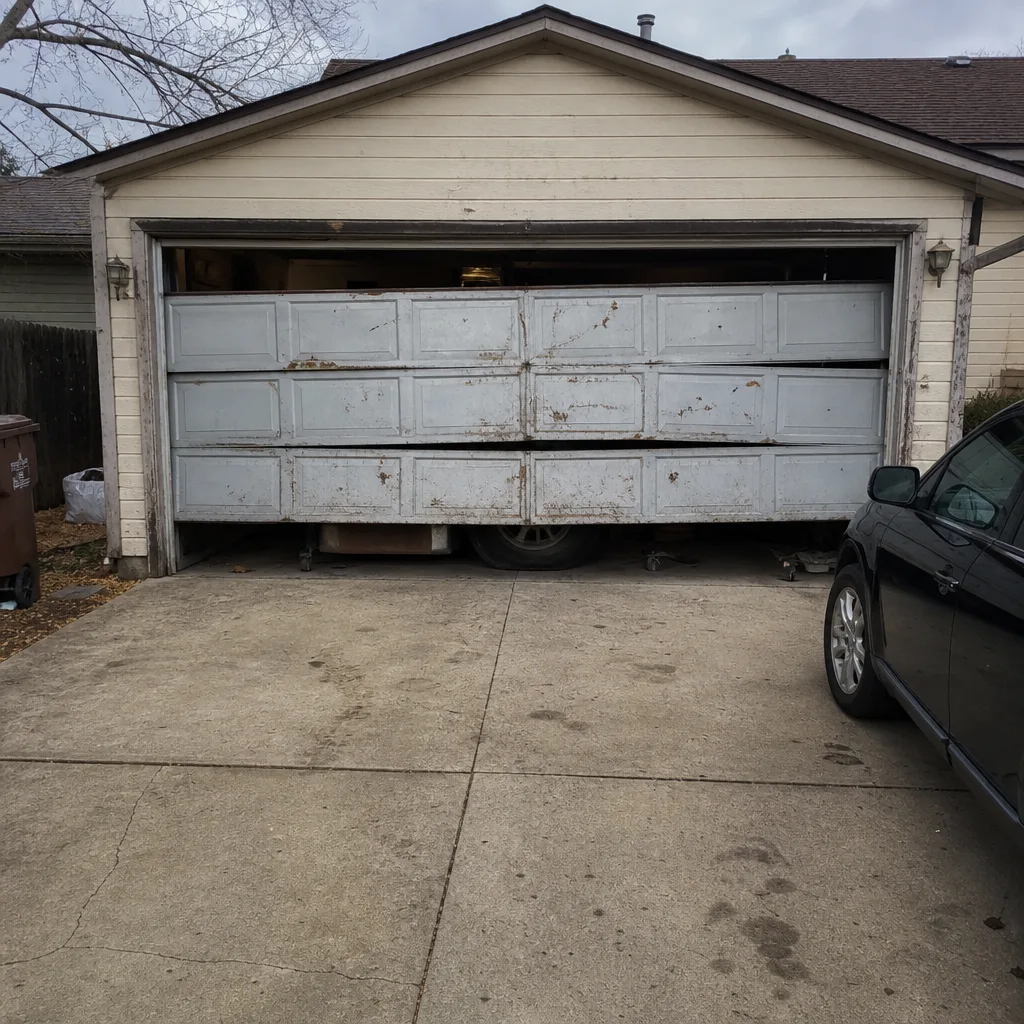 Before
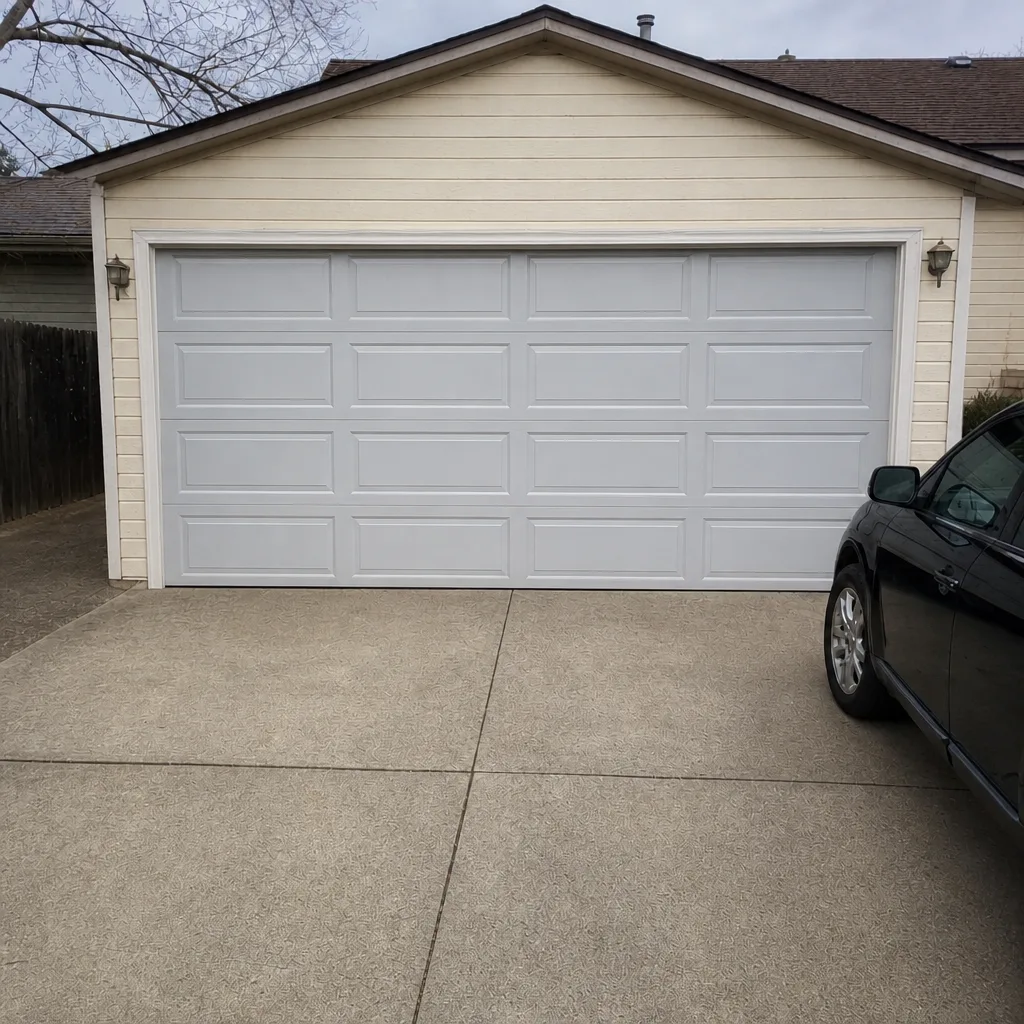 After
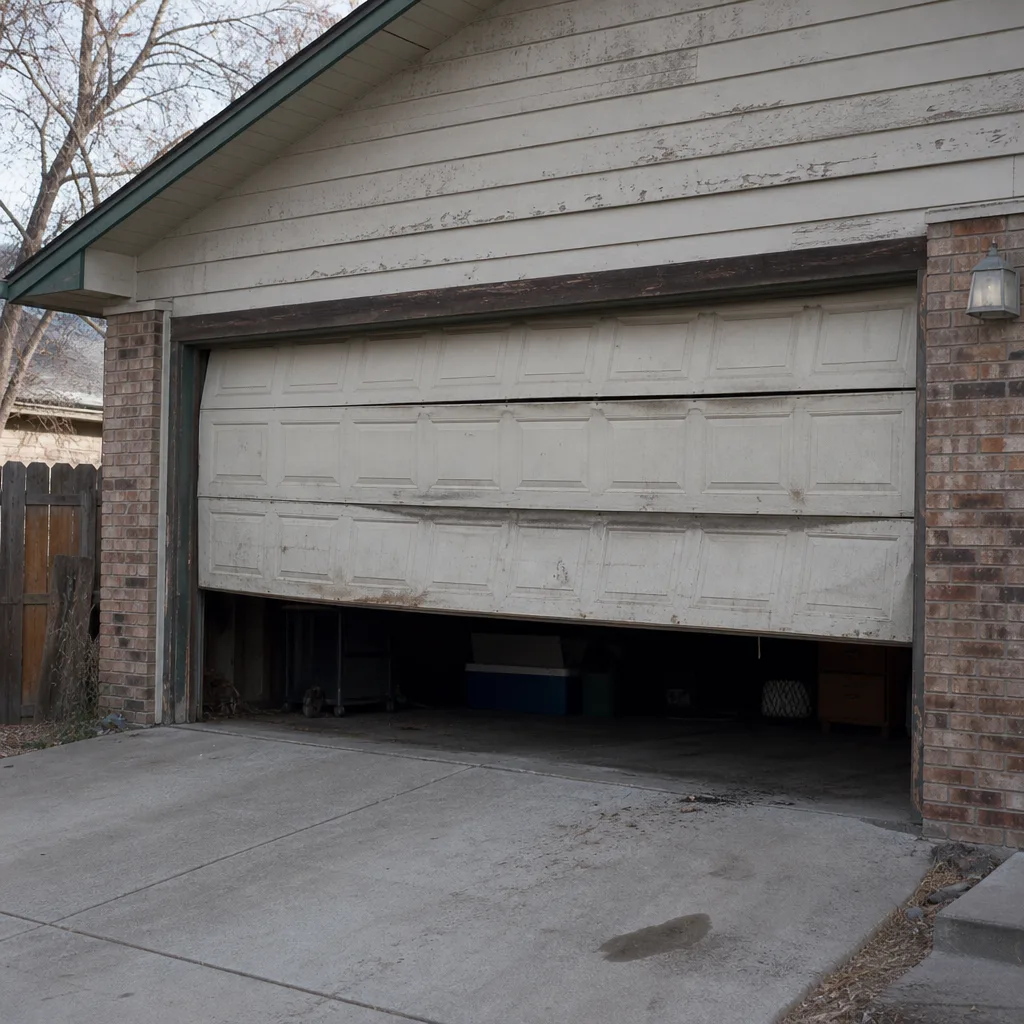 Before
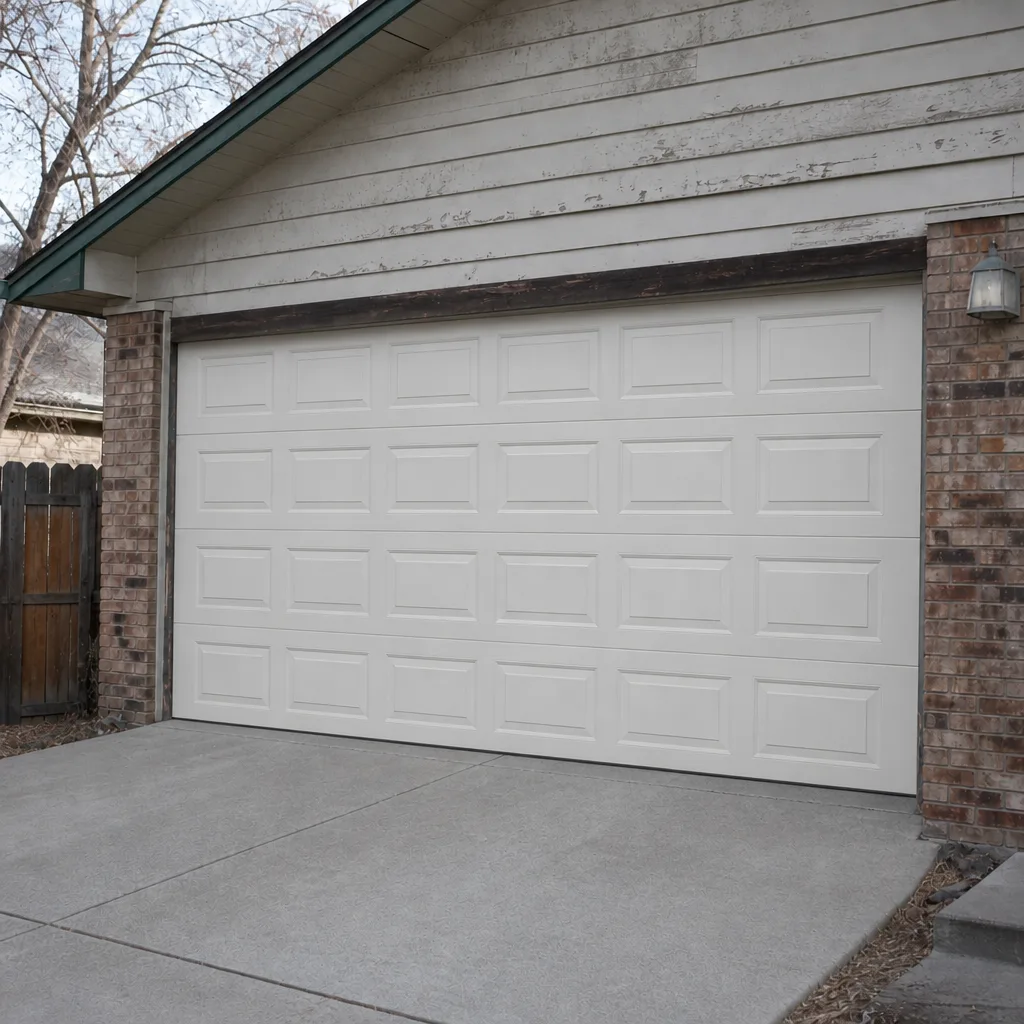 After
When to Call a Professional
Call us when the door won’t open, won’t close, or won’t stay up. Call us when a spring breaks and the door comes down hard, or when a cable snaps and the door hangs crooked. Call us when the opener runs but the door doesn’t move, when the photo eyes won’t stop blinking, or when the safety reverse fails the broom test. Call us when you’re planning a replacement and want the door measured and the model confirmed in writing. If you’re in Longmont and you’re not sure whether your job needs a permit, call us and we’ll tell you what the work involves so you can ask the city the right question. Longmont Garage Door Repair Pros offers free estimates in Longmont, and the written estimate sets the price before any work starts. Call (888) 574-5680 for an estimate. We answer 24/7. Fast dispatch from 7am to 7pm, Sunday through Friday.
Frequently Asked Questions
Usually no, as long as you’re replacing a door of the same size in the same opening. A permit is typically required when the opening itself changes, when the header or framing is modified, when a new electrical circuit is added, or when the garage is converted to living space. Confirm with the City of Longmont Building Inspection Division before the work starts. If you want the door measured and the model confirmed in writing first, call (888) 574-5680 – estimates are free.
Not if the new opener plugs into an existing outlet. If the opener needs a new dedicated circuit run from the panel, that electrical work typically requires a permit pulled by a licensed electrician. The tricky cases are older Longmont garages where the opener was wired with an extension cord or a non-standard outlet. If the wiring isn’t already correct, the safer path is an electrician. Call (888) 574-5680 for an exact quote on the opener side of the job – estimates are free.
UL 325 is the safety standard for garage door operators, and it’s the reason modern openers have photo eyes and a safety reverse. A Craftsman or Genie opener from the early 1990s or older may predate those protections. Test yours by closing the door on an object and watching whether it reverses. If it doesn’t, the unit should be replaced. Call (888) 574-5680 to book a free estimate for a replacement opener.
The inspection itself is usually short, but scheduling can add time, and jobs that need both a framing and a final inspection have two separate appointments. The bigger variable is whether the work matches the approved plan. What an inspector checks is whether the structure and electrical match the permit, not whether the door looks good. Call (888) 574-5680 if you want a quote on the door and opener side before your inspection schedule is set – estimates are free.
Often yes, especially in newer planned subdivisions where architectural review was part of the original development. Older neighborhoods near downtown and around Roosevelt Park are more likely to have no HOA at all. Check your HOA documents before ordering, and get approval in writing. We provide the model and color specification for the application. Call (888) 574-5680 to book a free measure – the estimate is written and the price is agreed before ordering.
It can delay or derail a sale, and it usually surfaces in the buyer’s inspection or the permit search. An open permit on the property is a red flag, and a buyer will often ask for a credit to cover the risk. Ask the City of Longmont for your permit history before listing. If a correction is needed, call (888) 574-5680 to see what the repair involves – estimates are free.
The Bottom Line
In Longmont, most garage door repairs are permit-exempt, and the ones that aren’t are usually structural or electrical: a widened opening, a modified header, a new circuit. Bigger changes, more paperwork. The two things that matter most are confirming with the city before you start and keeping the record when the work is done. HOA approval sits on top of city code in many newer Longmont neighborhoods, so get that in writing first. And if the job involves a pre-1993 opener with no safety reverse, that’s a safety replacement rather than a permit question. Our technicians have up to 15 years of experience across the brands most common in Longmont homes, from Craftsman and Genie to LiftMaster and Clopay.
Contact
Whether you’re sorting out a permit question or ready to book the work, call Longmont Garage Door Repair Pros for a free estimate at (888) 574-5680. We answer 24/7. Fast dispatch from 7am to 7pm, Sunday through Friday. The estimate is written, the price is agreed before any work starts, and we arrive ready to diagnose your actual make and model. That’s the first step at Longmont Garage Door Repair Pros, and it costs nothing.
Written by the team at Longmont Garage Door Repair Pros.